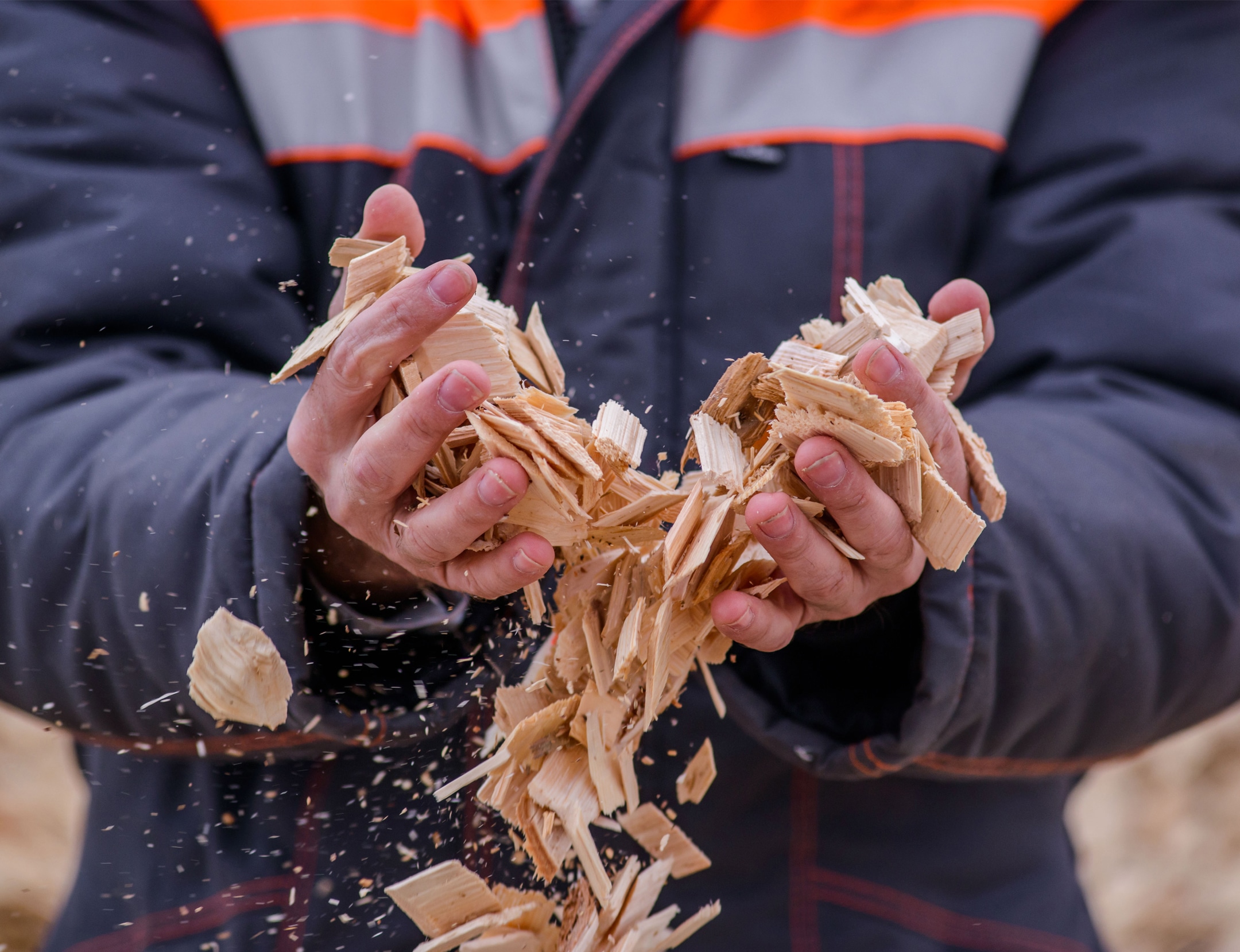
What is Biochar?
Biochar is a carbon-rich, porous material produced by heating biomass in an oxygen-limited environment—a process known as pyrolysis. Unlike combustion, which releases carbon as CO2, pyrolysis converts biomass carbon into a stable solid form that can persist in soil for hundreds or even thousands of years.
When applied to agricultural soils, biochar improves water retention, nutrient availability, and microbial activity while sequestering carbon. This makes biochar production an increasingly important strategy for both soil improvement and climate change mitigation.
Why Dried Feedstock Matters for Biochar Production
The moisture content of feedstock is one of the most critical factors affecting pyrolysis efficiency and biochar quality. Here's why drying your biomass before pyrolysis delivers significantly better results:
Energy Efficiency
Water in wet feedstock must be evaporated before pyrolysis can begin. This consumes substantial energy that could otherwise drive the carbonisation process. For every kilogram of water in your feedstock, approximately 2.3 MJ of heat energy is required just to evaporate it—energy that produces no biochar.
With dried feedstock (below 15% moisture), nearly all input energy contributes to the pyrolysis reaction, dramatically improving process efficiency and reducing operating costs.
Key Insight
Feedstock at 50% moisture requires almost twice as much energy as feedstock at 15% moisture to produce the same amount of biochar. Pre-drying typically pays for itself through reduced pyrolysis fuel consumption.
Consistent Biochar Quality
Wet feedstock creates temperature variations within the pyrolysis reactor. Areas with more moisture experience lower temperatures and slower heating rates, while drier areas heat faster. This inconsistency produces biochar with variable properties—some under-carbonised, some over-processed.
Dried, uniform feedstock ensures consistent temperature profiles throughout the reactor, producing biochar with predictable and repeatable characteristics. This is essential for meeting quality standards and customer specifications.
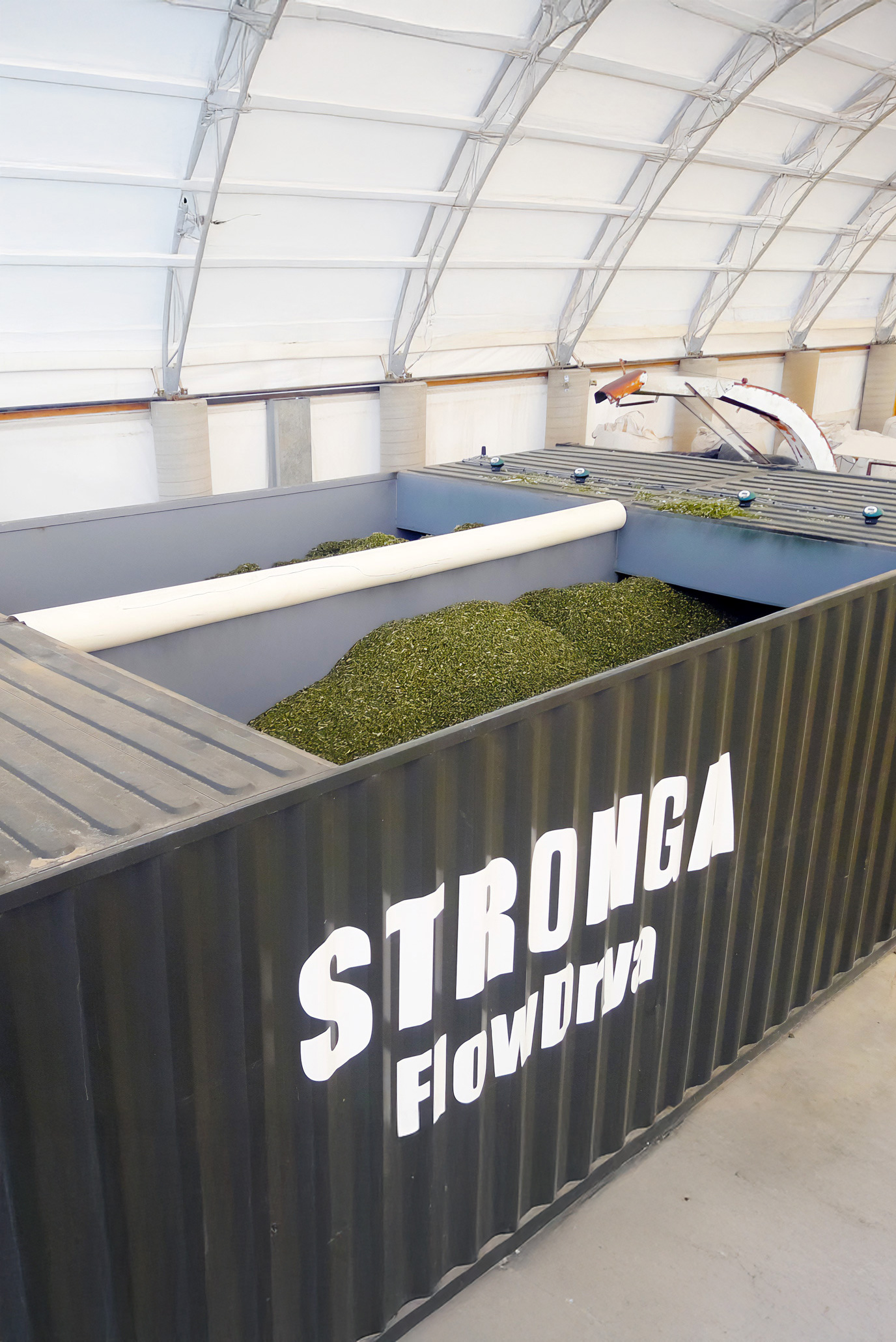 Dried bark feedstock prepared for pyrolysis using FlowDrya belt drying technology
Higher Throughput
Pyrolysis systems sized for a given biochar output capacity can process significantly more feedstock when that feedstock is dry. The reactor spends less time evaporating water and more time actually producing char, increasing overall system productivity.
Optimal Moisture Content for Pyrolysis
While specific requirements vary by pyrolysis technology, most systems perform best with feedstock moisture content between 10-15% on a wet basis. Some systems can tolerate higher moisture (up to 25%) but with reduced efficiency.
| Feedstock Moisture | Pyrolysis Efficiency | Biochar Quality |
|---|---|---|
| Below 15% | Excellent | Consistent, high quality |
| 15-25% | Good | Acceptable quality |
| 25-35% | Reduced | Variable quality |
| Above 35% | Poor | Inconsistent, may not carbonise properly |
Best Feedstock Materials for Biochar
Not all biomass produces equivalent biochar. The best feedstocks for agricultural biochar typically include:
- Wood chip: Produces high-carbon biochar with excellent porosity. Hardwoods generally yield char with higher carbon content than softwoods.
- Bark: Often a low-cost feedstock from sawmills. Produces biochar with good water-holding capacity.
- Nut shells: Very high carbon content and density, producing premium biochar products.
- Agricultural residues: Straw, corn stover, and other crop residues produce biochar but typically with lower carbon content and different properties.
Whatever feedstock you choose, consistent drying to target moisture levels is essential for efficient processing and quality output.
The Role of FlowDrya in Biochar Production
FlowDrya continuous belt dryers are increasingly being integrated with pyrolysis systems to create efficient biochar production chains. The combination offers several advantages:
- Waste heat utilisation: Pyrolysis produces significant waste heat that can be captured and used to power the drying process, creating a highly efficient closed-loop system.
- Continuous operation: Belt dryers match the continuous nature of most pyrolysis reactors, enabling 24/7 operation without batch handling.
- Precise moisture control: FlowDrya's DryStation controls allow operators to achieve exact target moisture levels consistently, batch after batch.
- Gentle handling: Low-temperature belt drying preserves feedstock integrity without creating fines or dust that can cause problems in pyrolysis systems.
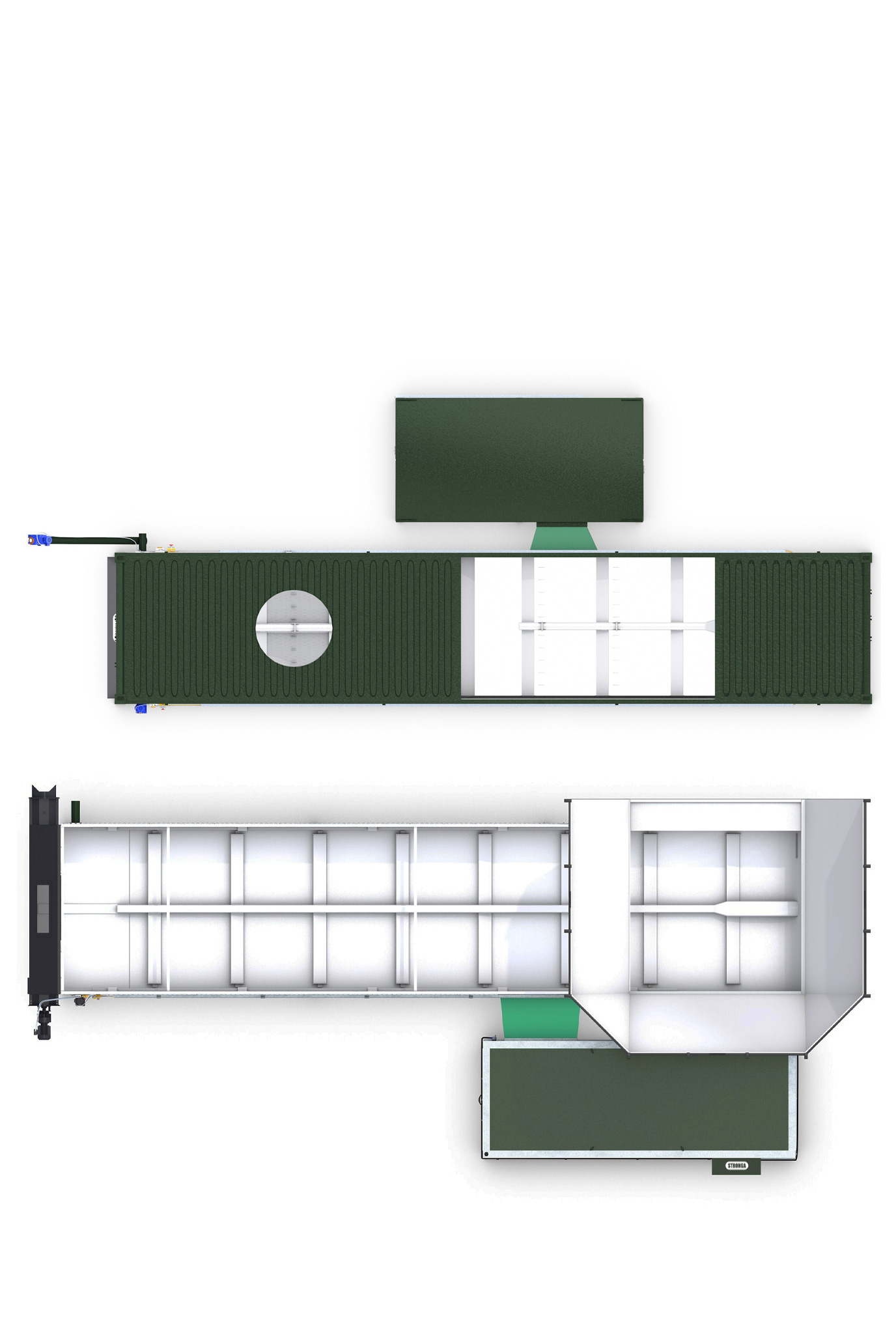 Typical FlowDrya installation configured for biochar feedstock preparation
Carbon Credits and Economic Benefits
Biochar production is increasingly attractive from a carbon credit perspective. Certified biochar can generate carbon removal credits under various standards, with prices ranging from €50 to €200+ per tonne of CO2 equivalent depending on certification and market conditions.
Combined with the agronomic value of biochar as a soil amendment, and potential revenue from process heat, integrated drying and pyrolysis systems can deliver compelling economic returns while contributing to climate goals.
"The integration of efficient drying technology with pyrolysis has transformed the economics of biochar production. What was once a marginal process is now a viable business model with multiple revenue streams."
— FlowDrya Technical Team
Getting Started with Biochar Production
If you're considering biochar production from dried biomass feedstocks, key considerations include:
- Feedstock availability and cost in your region
- Target markets for your biochar (agriculture, horticulture, water treatment)
- Available heat sources for drying (waste heat, biomass boiler, etc.)
- Space requirements for drying and pyrolysis equipment
- Certification requirements for carbon credits if relevant
The FlowDrya team can help you evaluate feedstock drying requirements and specify the right system for your biochar production goals.
Frequently Asked Questions
For efficient pyrolysis, feedstock moisture content should typically be below 15% on a wet basis. Higher moisture levels reduce process efficiency as energy is wasted evaporating water rather than driving the pyrolysis reaction. Some systems can operate with feedstock up to 25% moisture but with reduced efficiency.
Wood chip, bark, and other woody biomass materials produce high-quality biochar with excellent carbon content and porosity. Hardwoods generally yield char with higher carbon content than softwoods. Agricultural residues like straw can also be used but typically produce biochar with different characteristics.
Consistent, low-moisture feedstock ensures uniform pyrolysis temperatures and residence times, resulting in biochar with predictable properties. Wet feedstock creates temperature variations that produce inconsistent char quality—some under-carbonised, some over-processed.
Yes, this is one of the most efficient configurations. Pyrolysis produces significant waste heat that can be captured via heat exchangers and used to power the drying process. FlowDrya systems are designed to integrate with various heat sources including pyrolysis waste heat recovery.