What is De-Packaging Waste?
After de-packaging and processing food waste/organic materials, Anaerobic Digestion (AD) plants and food waste management specialists have another challenge to deal with… The reject waste packaging separated from the ‘organics’.
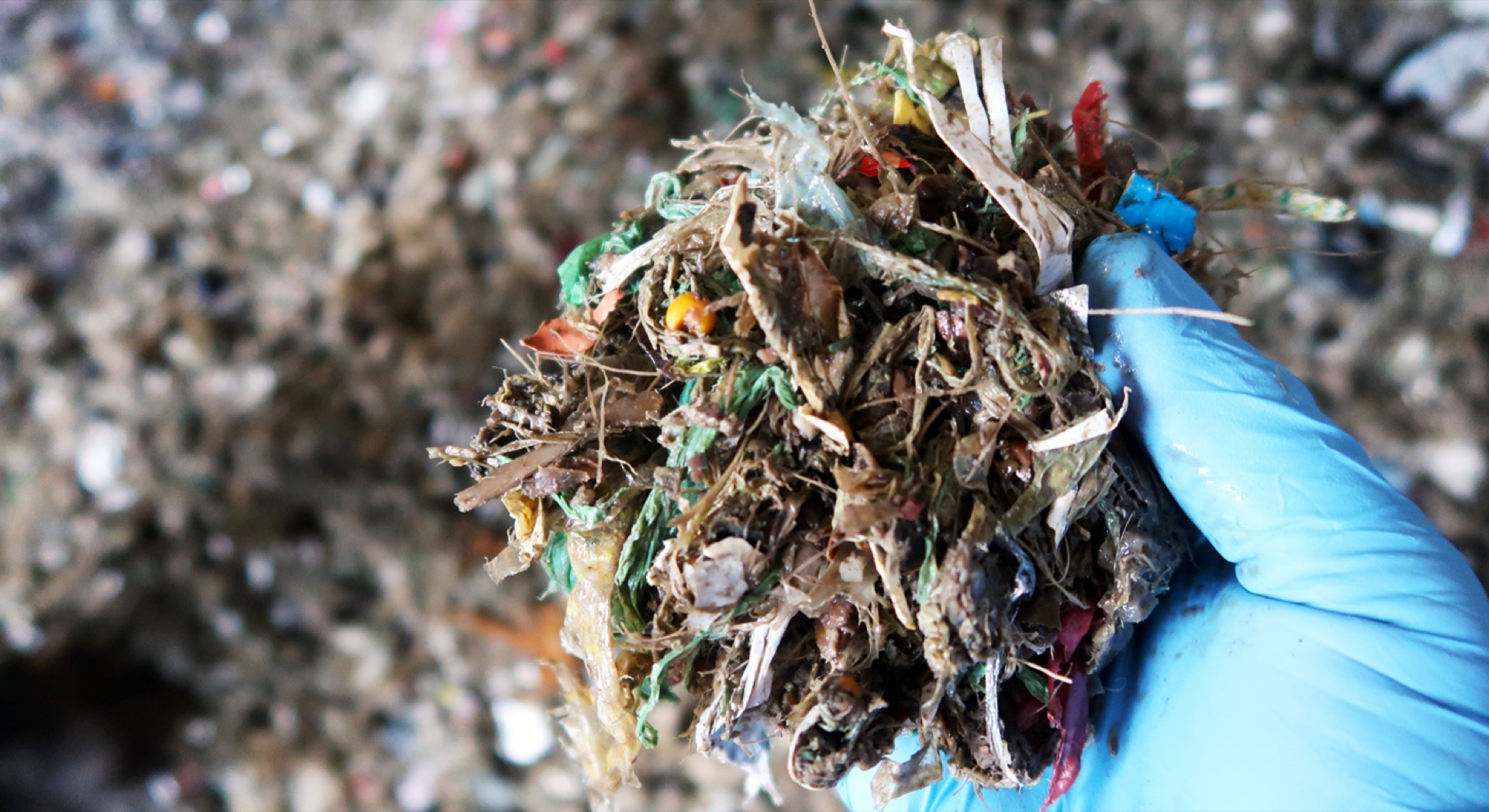
Reject waste packaging is the wet, sticky, non-digestible material leftover after separation and screening — including stretch wrap, flexible plastics, starch bags, microplastics, carrier bags, plastic films, laminates and other non-recyclables. These materials are highly variable, depending on the input food packaging waste and quality of the de-packaging equipment. Moisture content can often reach up to 70% (depending on location), resulting in heavy, inconsistent, difficult to handle, and costly to dispose of, de-packaged waste.
FlowDrya equipment offers a highly effective solution for tackling this de-packaging disposal problem by drying the mixed residue packaging waste using on-site, low-grade residual heat from the AD process. The result is a lighter, more consistent, and easier-to-manage material, with low moisture content, sub 20%. Overall, flow drying increases the financial value of de-packaging waste; reducing disposal costs, improving storage and transport, while allowing the material to be recycled or utilised for energy recovery (heat and power).
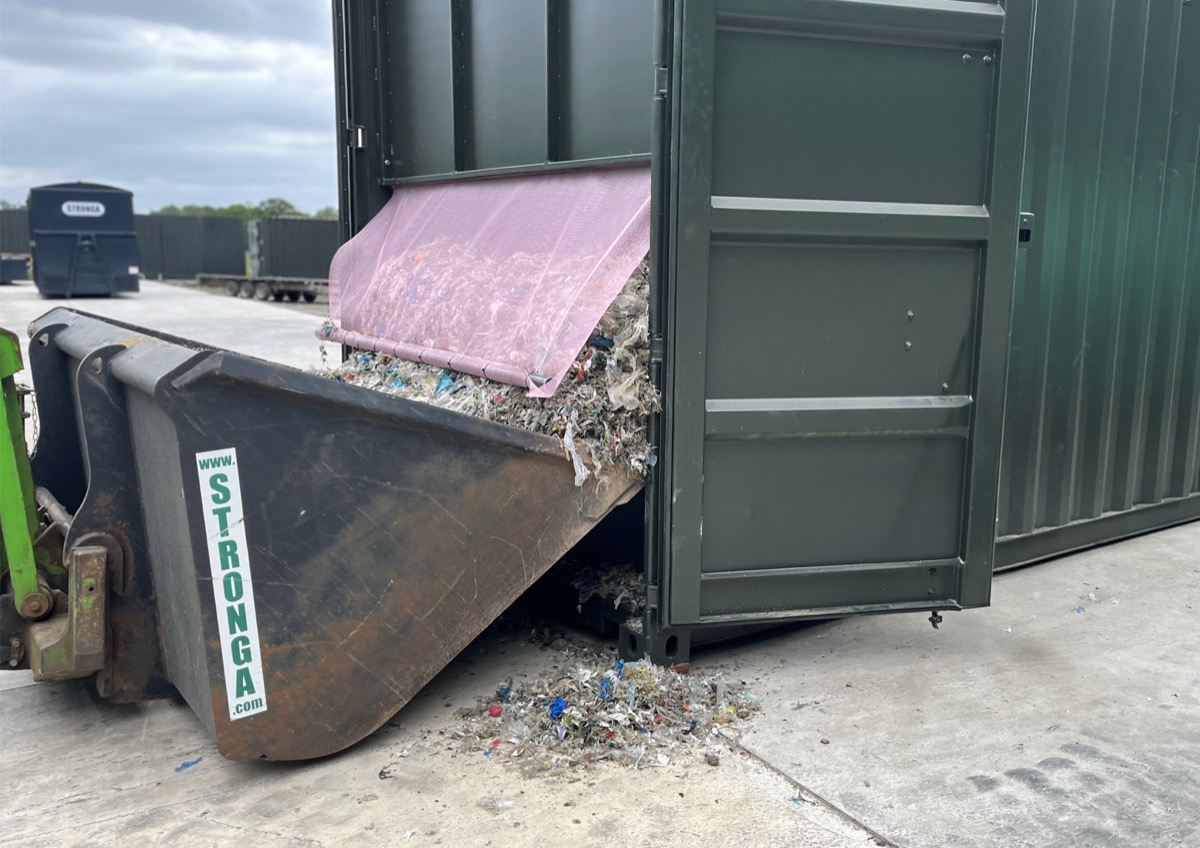
With years of experience handling plastic de-packaging materials, Stronga design practical, reliable, real-world solutions that transform notoriously inconsistent packaging waste into manageable and valuable dry output.
Watch the video below to discover how FlowDrya equipment efficiently reduces moisture and bulk density while transforming plastic packaging disposal costs into a revenue stream. FlowDrya enables AD plants to sell dried, highly calorific plastic de-packaging waste – diverting from landfill, reducing disposal tax liabilities and unlocking a new revenue stream from a dry alternative fuel.
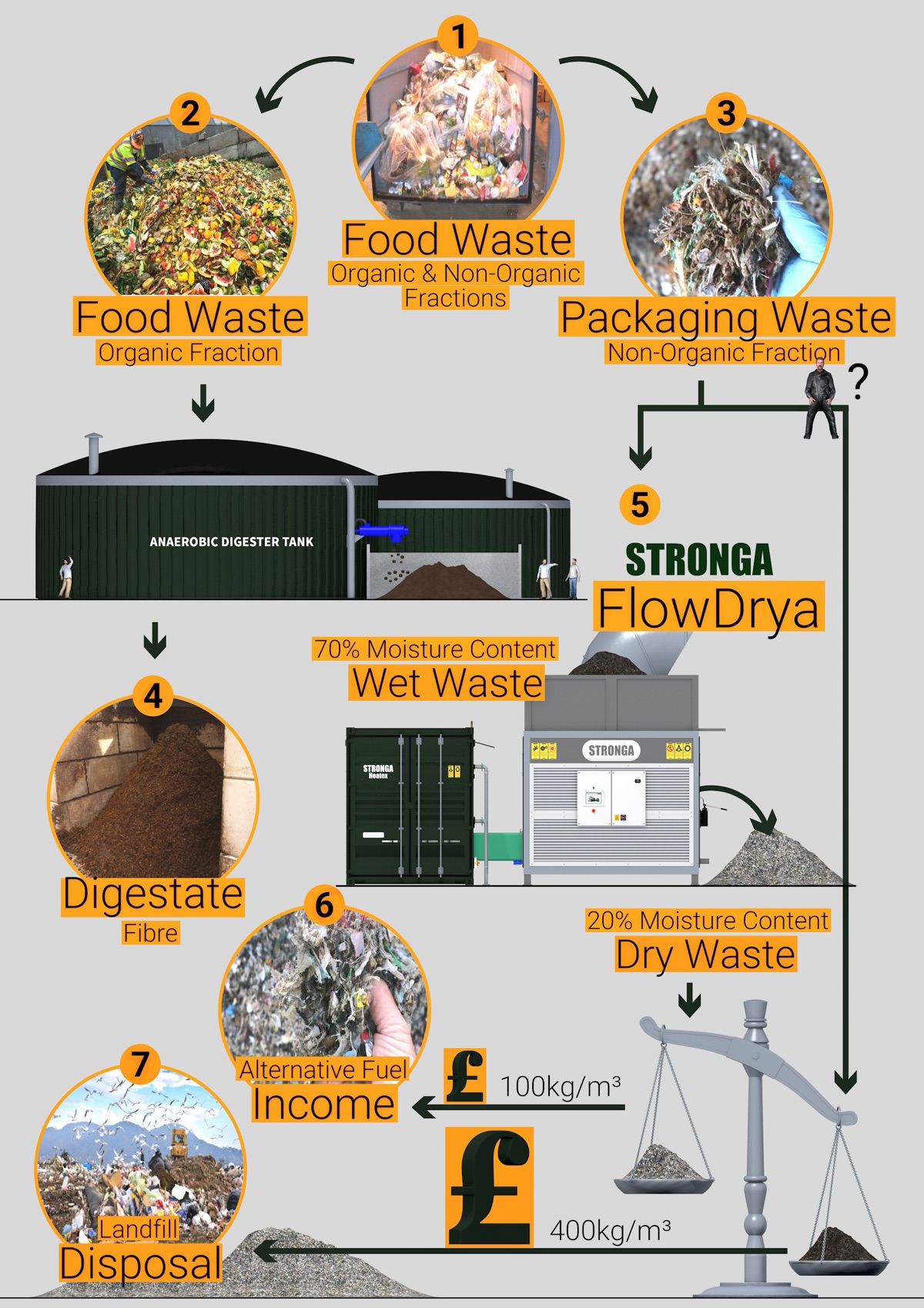
How FlowDrya Integrates into the AD Food De-Packing Process
After de-packing and separation of the organic material, flow drying the wet packaging material not only significantly reduces the weight of de-packaged plastic packaging residue by 300kg/m³*, it also reduces the amount of waste remaining through an overall improved separation process (dry material streams separate more easily).
Rather than going to landfill, which can be costly from a gate fee and landfill tax perspective, dry residual de-packaging plastic waste can alternatively be processed for use as a valuable, in-profile alternative fuel at <20% MC. Alternative fuels with high calorific values (14MJ/kg+) are significantly more valuable in the market, creating additional revenue streams for AD food waste plants, as visualised in the process graphic below.
*Figures based on UK AD Plant customer data. This figure will vary on a project-by-project basis and is dependent on the input material to be dried.
The Case for Drying De-Packaged Plastic Waste
A key benefit of drying de-packaging waste is the significant increase in calorific value of the combustible material per kg of waste, allowing the remaining plastic residue to be repurposed as a dry in-profile alternative fuel that can be sold to EfW and cement plants, rather than landfilled. Across a wide range of de-packaged plastic waste fractions, FlowDrya offers the most effective and economic drying solution available.
- Flow drying reduces the volume of waste transported to landfill, thus reducing transport fuel consumption and fees. FlowDrya effectively dries the non-organic, de-packaged, starch-bag waste from 400kg/m³ at 70% moisture content to 100kg/m³ at 20%. That’s a 75% reduction in bulk density. Figures based on Stronga customer data.
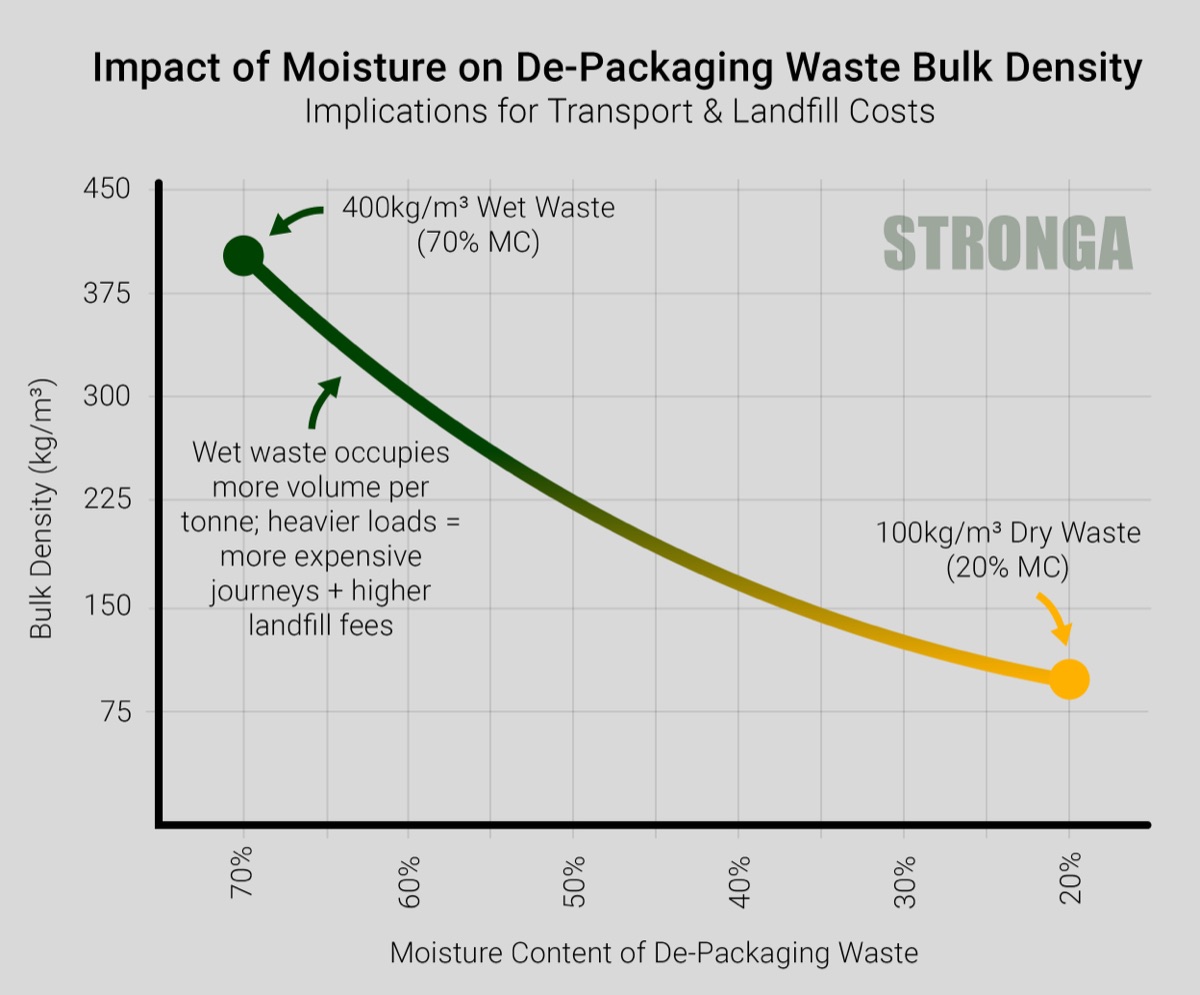
Figures based on Stronga customer data – curve may differ depending on de-packaging material type, site location and more.
- FlowDrya eliminates plastic de-packaging landfilling requirements, together with the associated costs which are significant – landfill tax, transport costs, labour hours and more.
- FlowDrya can use on-site residual heat to dry the de-packaging material. Most food waste AD plants have an on-site supply of residual heat that they can use as the heat source for the FlowDrya via Stronga Heatex equipment.
- Drying often returns the capital of purchasing the de-packaging drying equipment within months, when the cost savings from the landfill fees are calculated.
- Drying increases the calorific value and fuel efficiency of plastic de-packaging waste by 180%, when flow dried from 70% moisture content down to sub 20%. Dry, highly calorific <20% plastic de-packaging waste diverted from landfill can be directed to waste to energy plants and other alternative fuel applications.
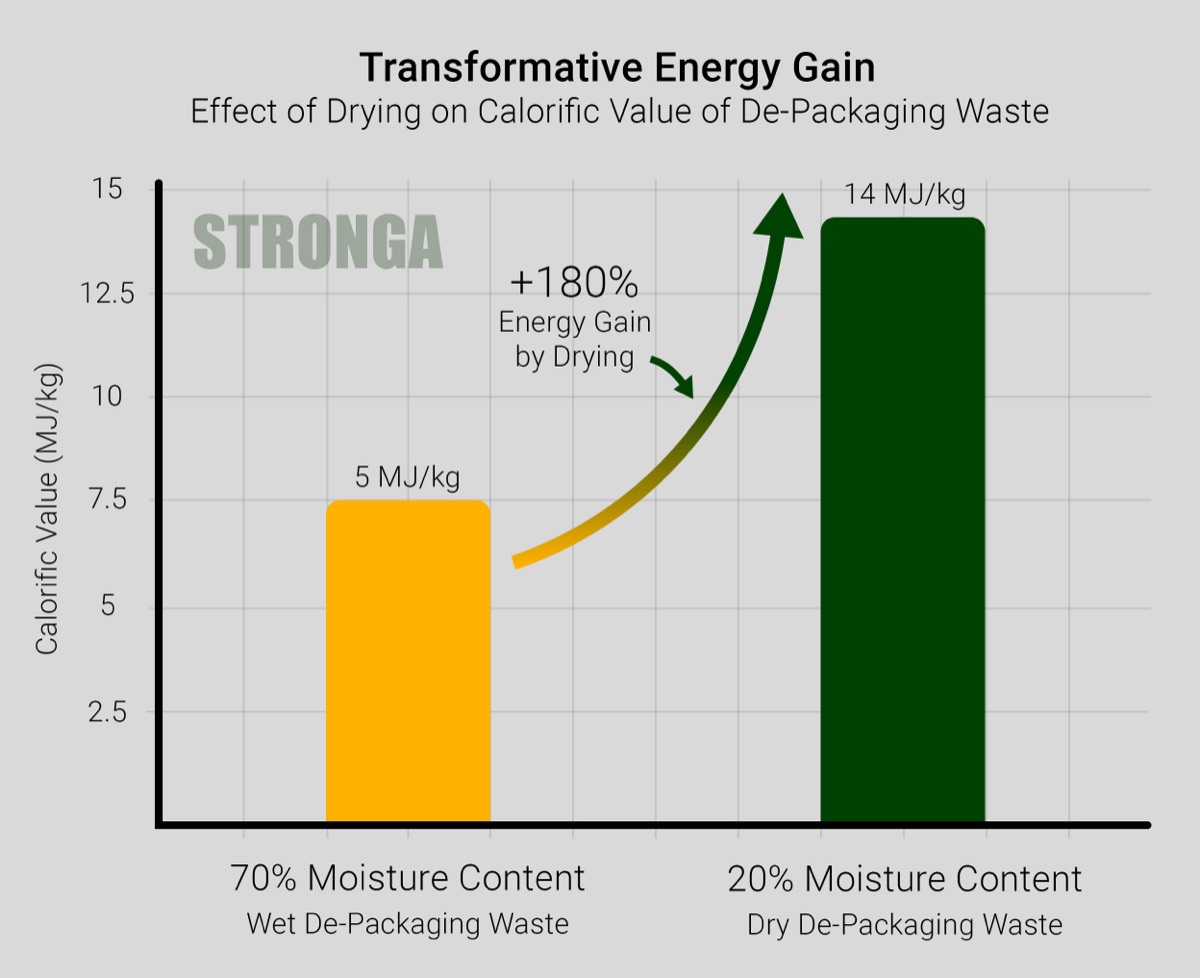
Figures based on Stronga customer data – drying performance may vary.
- Drying de-packaging waste down to approximately 20% moisture content enables better handling and conveyance. Wet de-packaging residues are typically sticky, clumpy and difficult to handle. FlowDrya improves the flow of material through equipment and on conveyors.
- Drying inhibits microbial activity in plastic de-packaging waste. High moisture content material (+40%) causes degradation and unpleasant odour.
- Drying ensures recyclables can be recovered for use as alternative fuels in waste to energy plants. Without FlowDrya, this simply isn’t a viable option.
Drying Systems, Optimised for De-Packaging Waste
FlowDrya equipment is designed specifically to handle the inconsistencies of shredded plastic de-packaging waste, starch bags, flexible plastics and more. Unlike belt dryers which would typically clog, jam and underperform when drying clumpy de-packaging material, FlowDrya is well-proven with challenging materials with deep-cycle PulseWave™ material agitation, slow moving operation with few moving parts, and a stainless-steel, anti-corrosion design.
The data on this page is specific to the de-packaging material shown in the images. De-packaging plastic material is a variable blend and often depends on the input packaging material and efficiency of de-packers and their recovery (how much of the organics adhere to packaging after separation). Examples of variations in plastic de-packaging composition are shown in the compilation below.
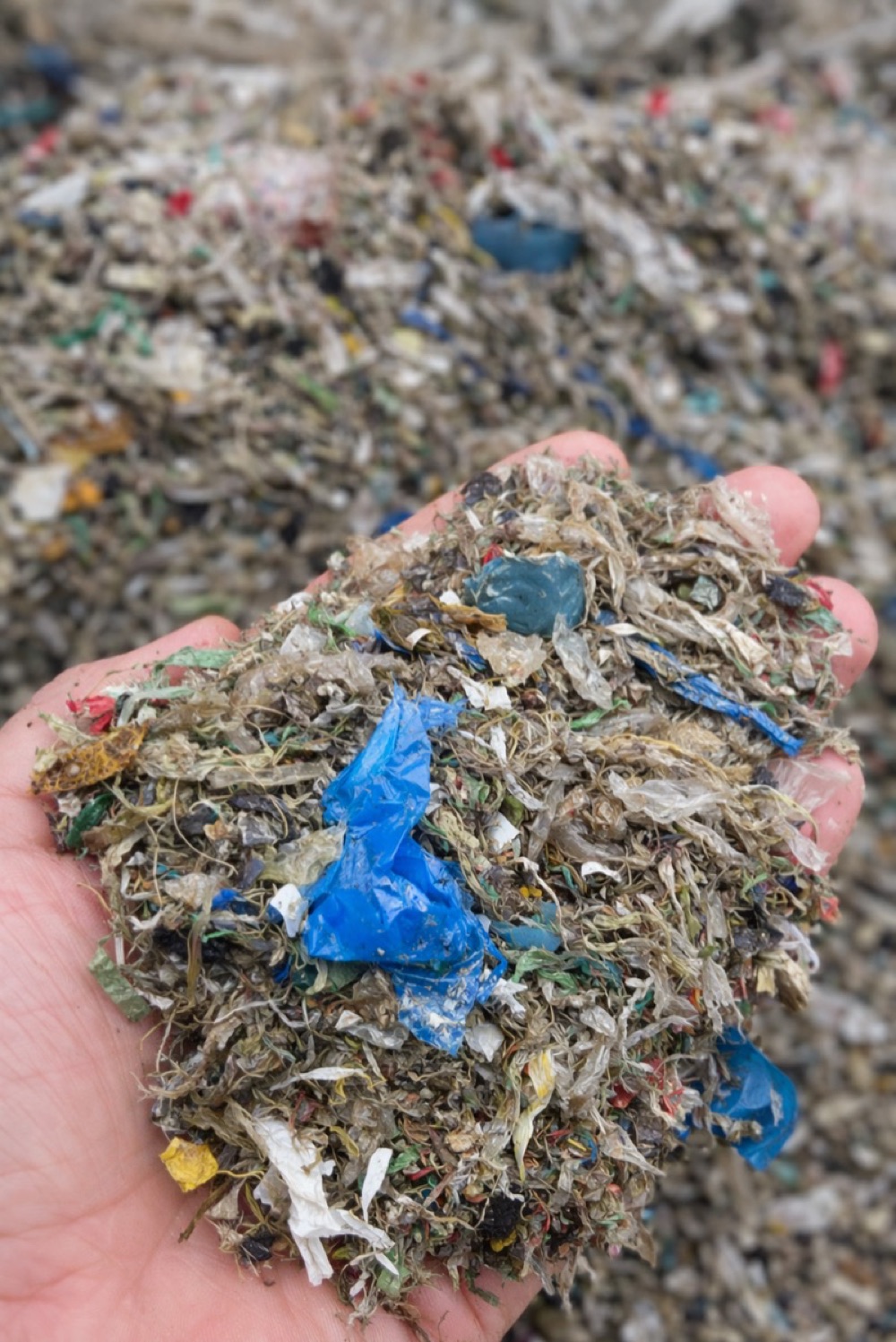
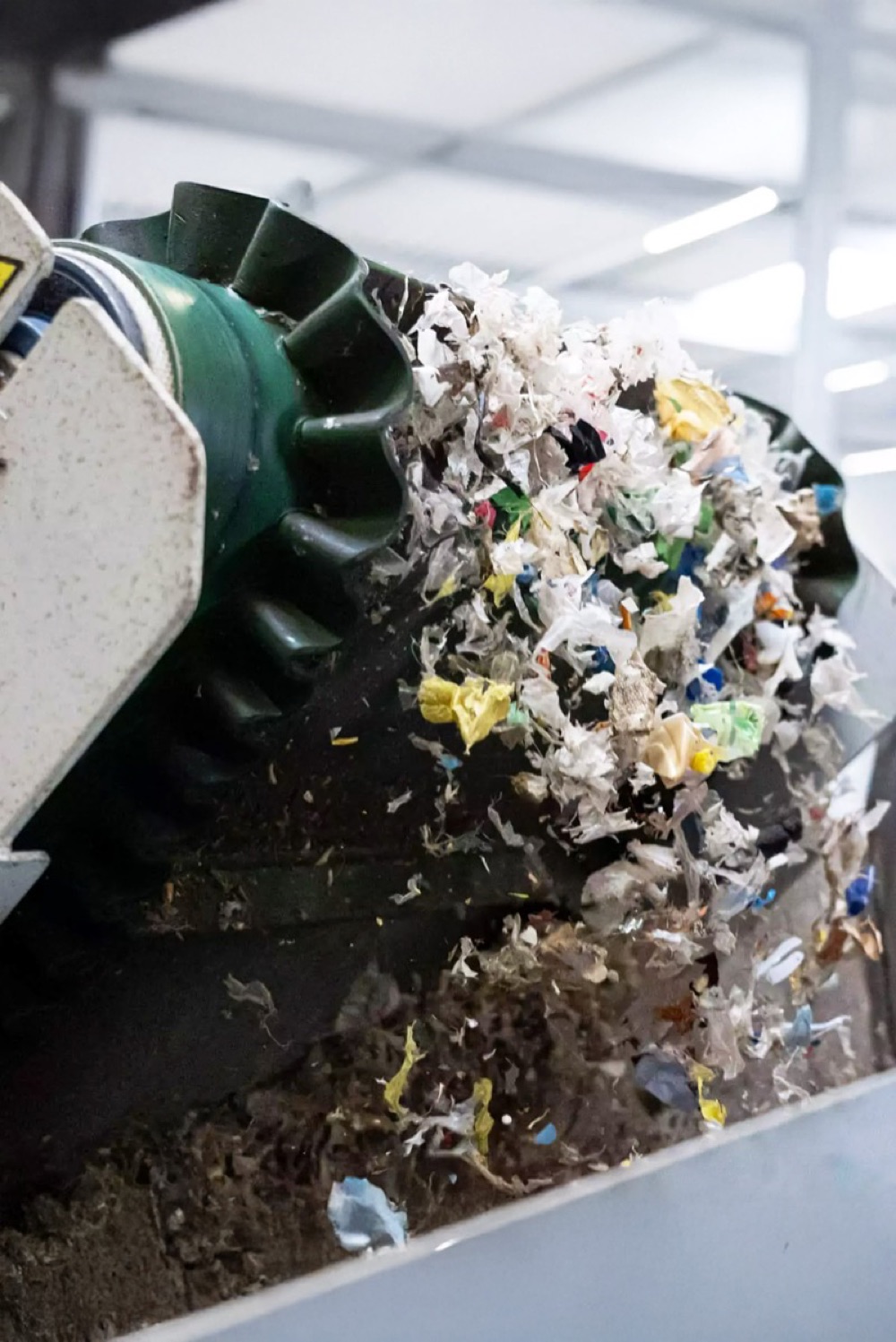
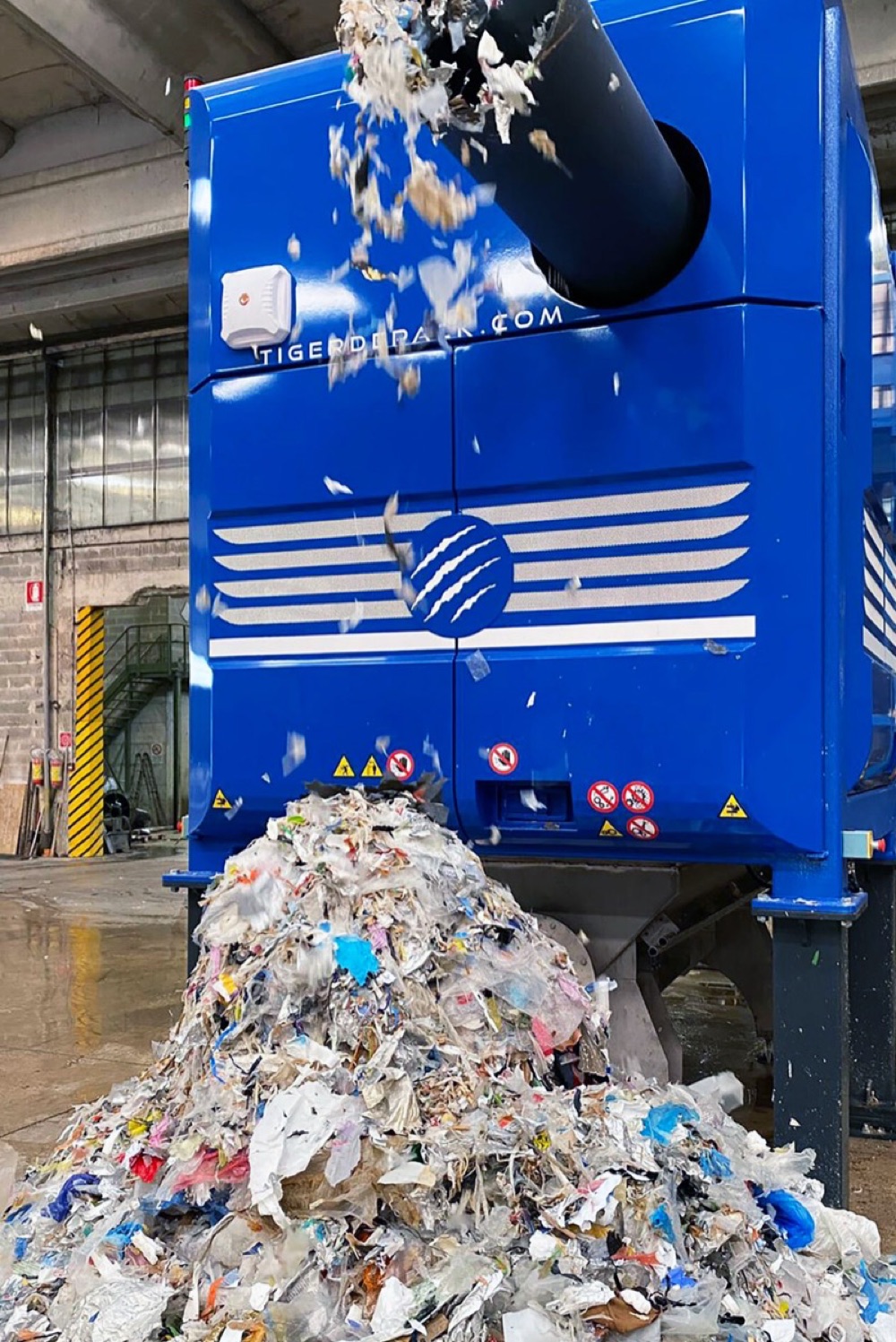
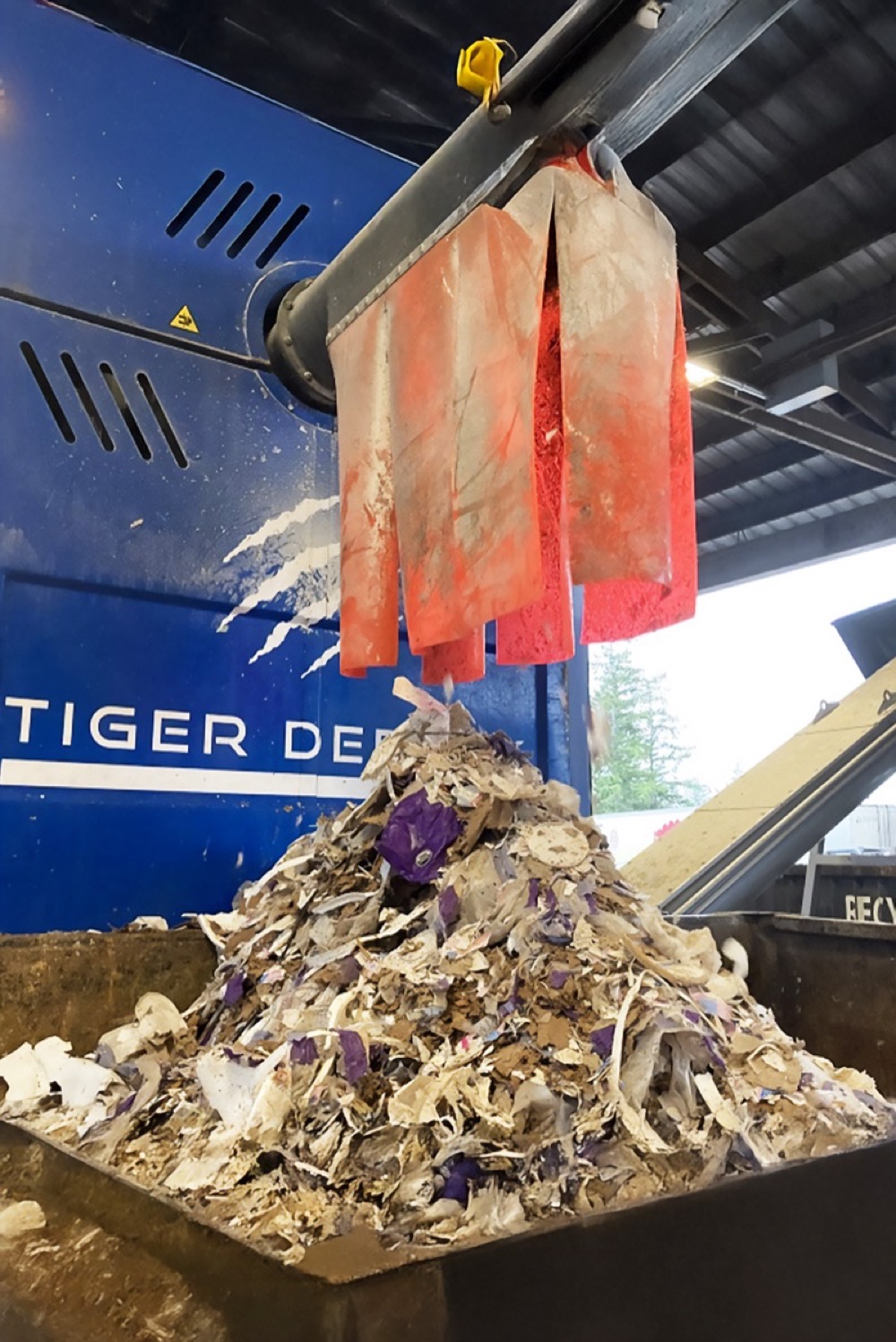
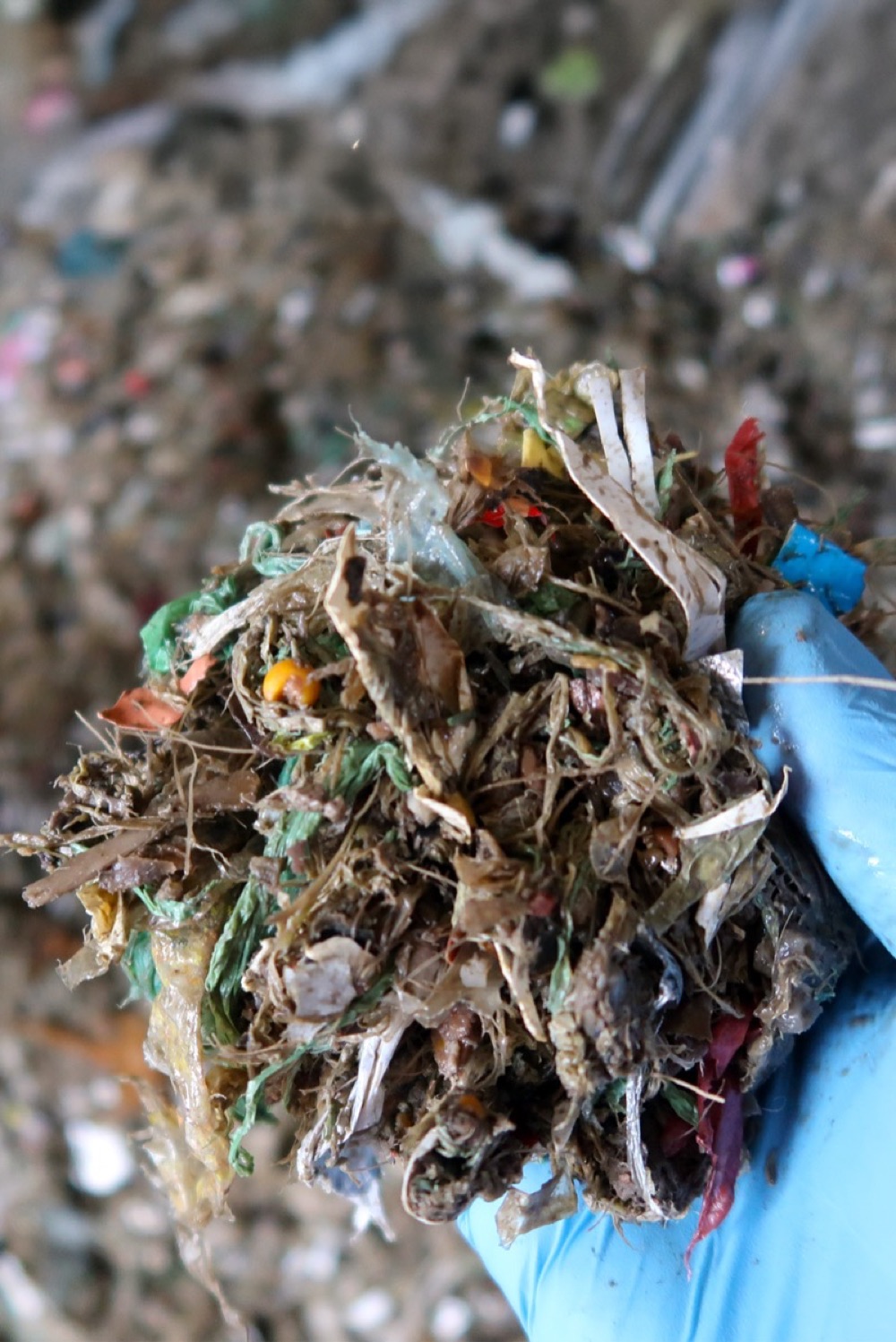
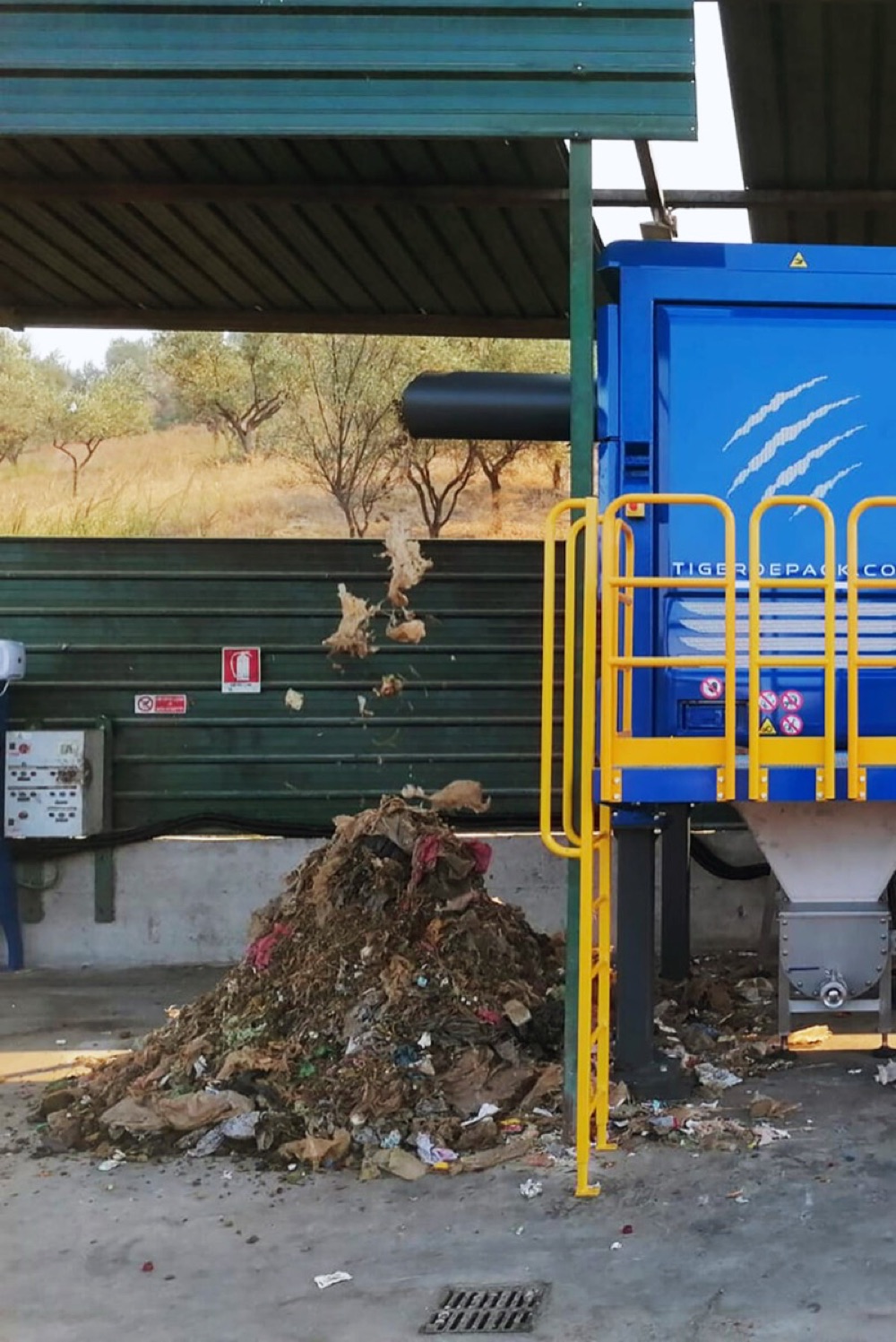
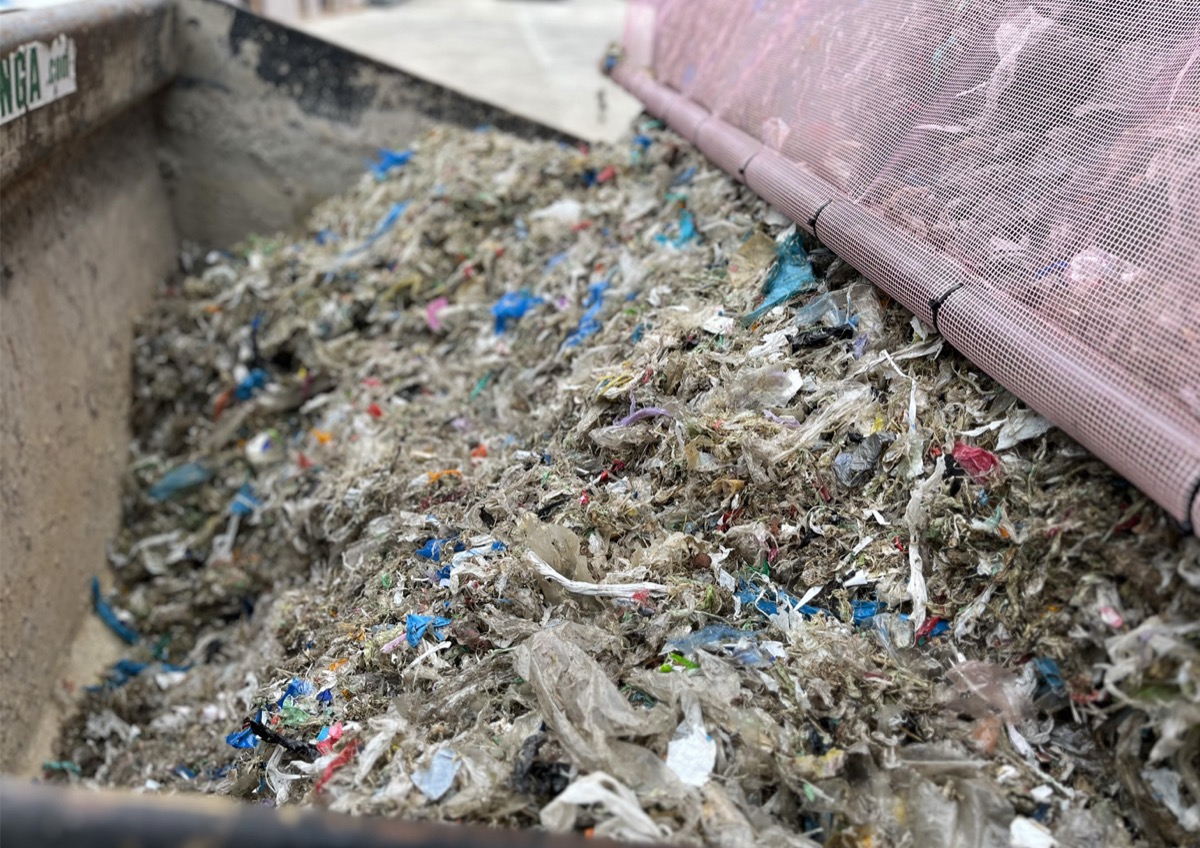
Dried (sub 20%) plastic de-packaging waste discharged from the end of the FlowDrya drying bed. Dry material can be discharged into bunkers or automatically delivered to onward processing via bespoke conveying systems.
Stop letting high moisture plastic films, starch bags, and mixed packaging waste drive up your disposal costs. Instead, transform your high moisture content, heterogenous de-packaging plastic waste into a high-value fuel with FlowDrya. Contact Stronga to dry your de-packaging waste, reduce volume, improve handling, and unlock new recycling or energy recovery opportunities.
Plastic De-Packing Waste FAQs
Plastic de-packaging waste is the leftover plastic material generated when products are removed from their packaging during industrial AD food processing. This includes plastic films, wrappers, and containers that are separated from the main product (like fruits, vegetables, or packaged goods). It is often mixed with small residues of organic material, making handling and recycling more complex.
Improper disposal of plastic de-packaging waste can cause environmental pollution, landfill overflow, and harm to wildlife. Proper management, including drying, recycling, and energy recovery, reduces environmental impact and allows for resource recovery. De-packaged plastics can be mechanically recycled or used as fuel in energy recovery processes.
The calorific value (CV) is the amount of energy released when the material is burned. De-packaged plastic waste has a high CV, typically around 14MJ/kg, but this decreases if the waste is contaminated with moisture or organic residues. Higher calorific value makes plastic de-packaging waste suitable for energy recovery in waste-to-energy plants, reducing reliance on fossil fuels.
FlowDrya is designed to handle the inconsistencies of shredded plastics, flexible packaging, and starch bags. Its deep-cycle PulseWave™ agitation ensures even drying of clumpy materials, while the slow-moving operation with few moving parts and stainless-steel, anti-corrosion design provide reliable, low-maintenance performance. This makes it highly effective at reducing moisture and improving the energy value of de-packaging waste.
Ready to discuss your de-packaging waste drying project?
Our team can help you reduce disposal costs, improve handling, and unlock new revenue streams from your de-packaging waste.