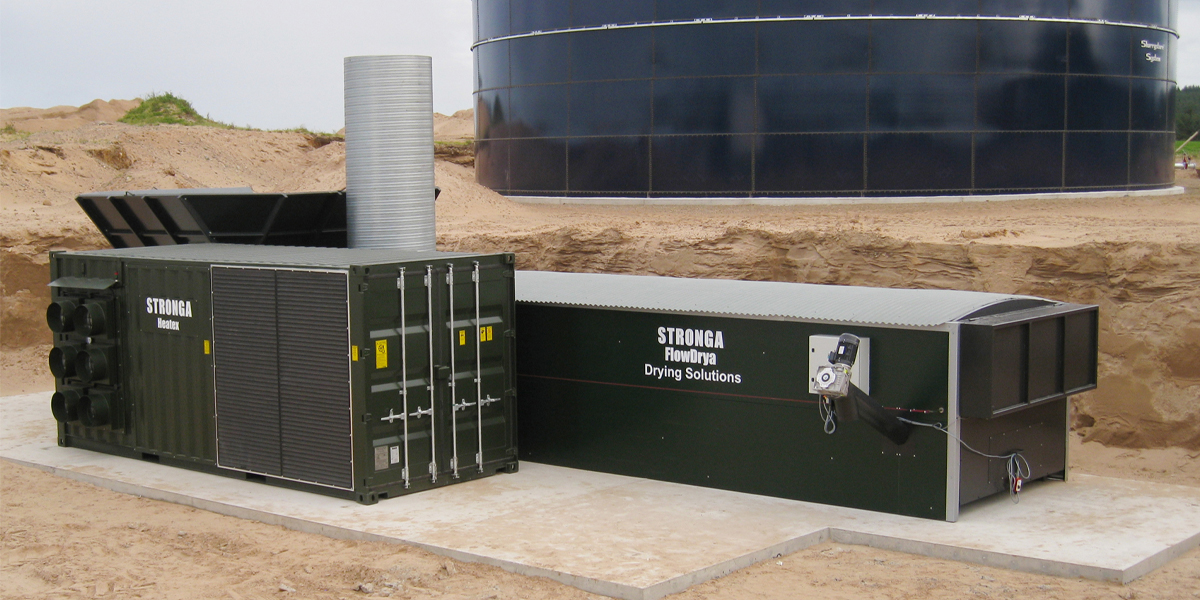
This article presents the technical differences in design and cost between three alternative methods of drying wet biomass materials: (1) Stronga FlowDrya, (2) Belt dryers and (3) On-floor drying systems. Costs are considered in terms of initial capital investment and ongoing operating expenses, which include energy, service and maintenance expenditure.
Choosing the right dryer influences profitability, safety, efficiency, and long-term sustainability.
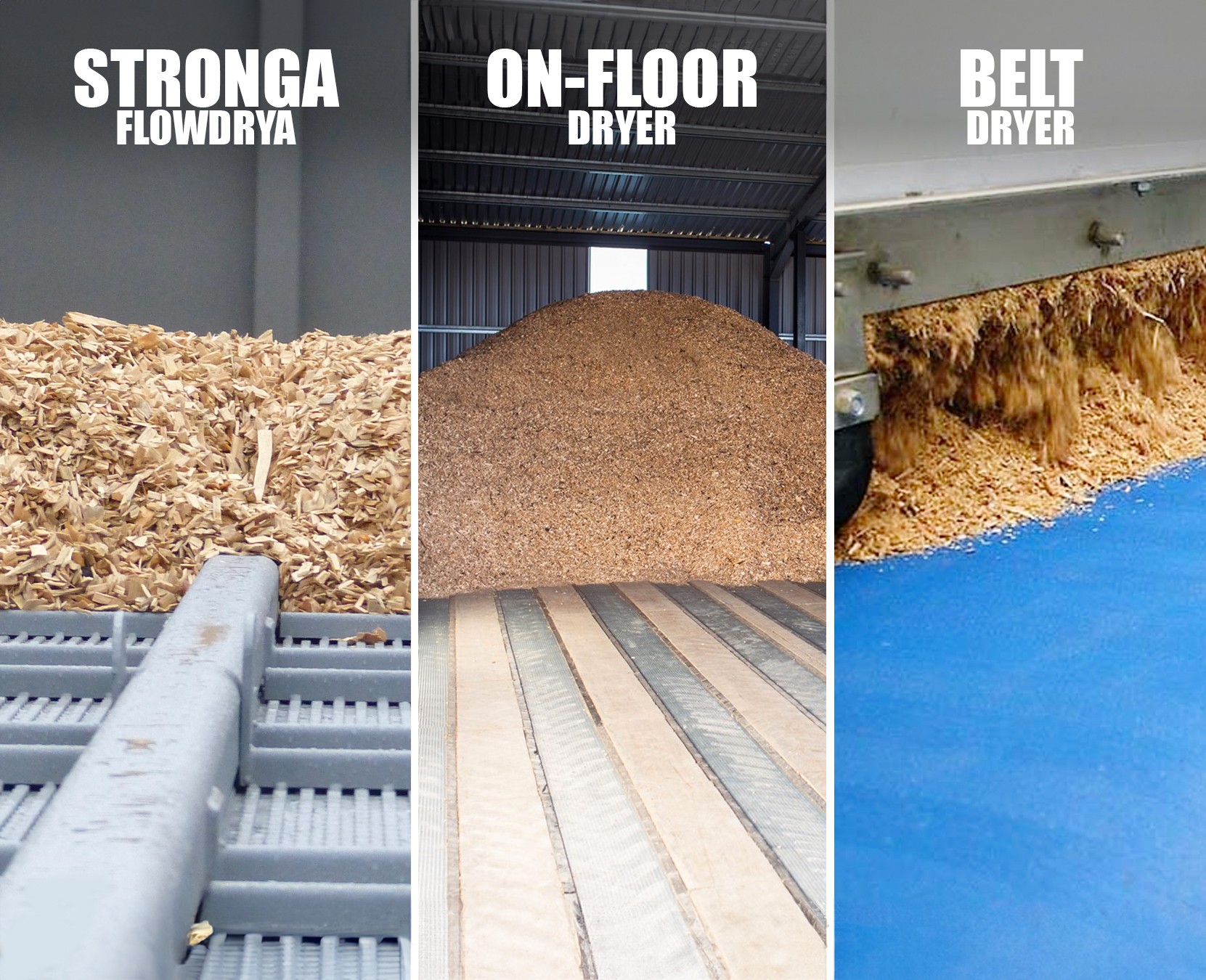
Comparison of FlowDrya, On-Floor Dryer, and Belt Dryer systems
Comparing Design Complexity of Biomass Dryers
Why Design Simplicity Matters?
Having a dryer with a simple design is essential for a smooth-running and productive operation. Complicated dryers with a number of moving parts are more susceptible to operational challenges and repairs are costly and consume valuable time.
| FlowDrya | Belt Dryer | On-Floor Dryer |
|---|---|---|
|
|
|
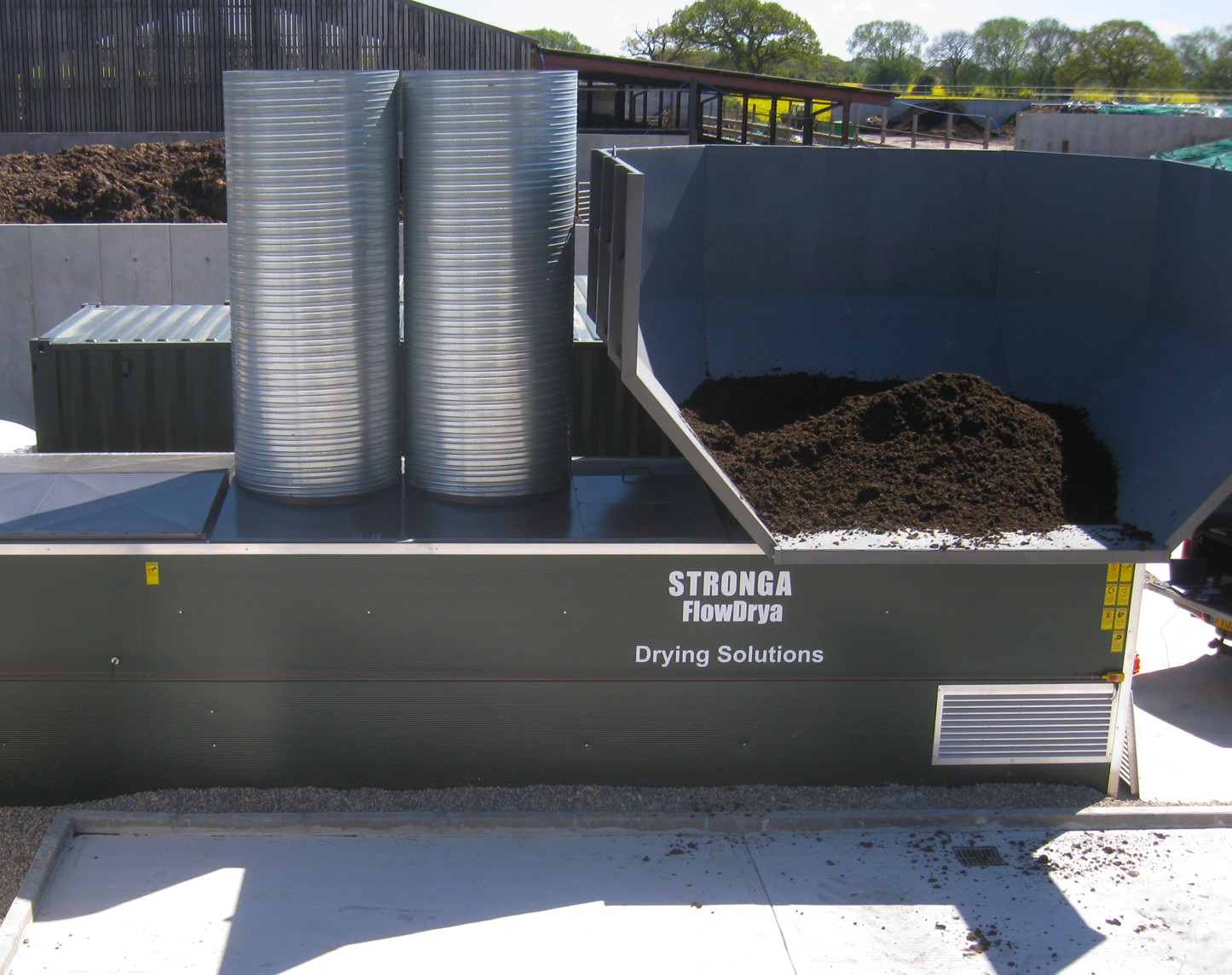
FlowDrya’s simple, reliable design in operation
Biomass Dryer Lifespan & Maintenance Costs Compared
Investing in a reliable, sturdy and robust drying system is crucial. FlowDrya not only offers one of the longest service cycles available, but also the lowest maintenance costs and requirements.
| FlowDrya | Belt Dryer | On-Floor Dryer |
|---|---|---|
|
|
|
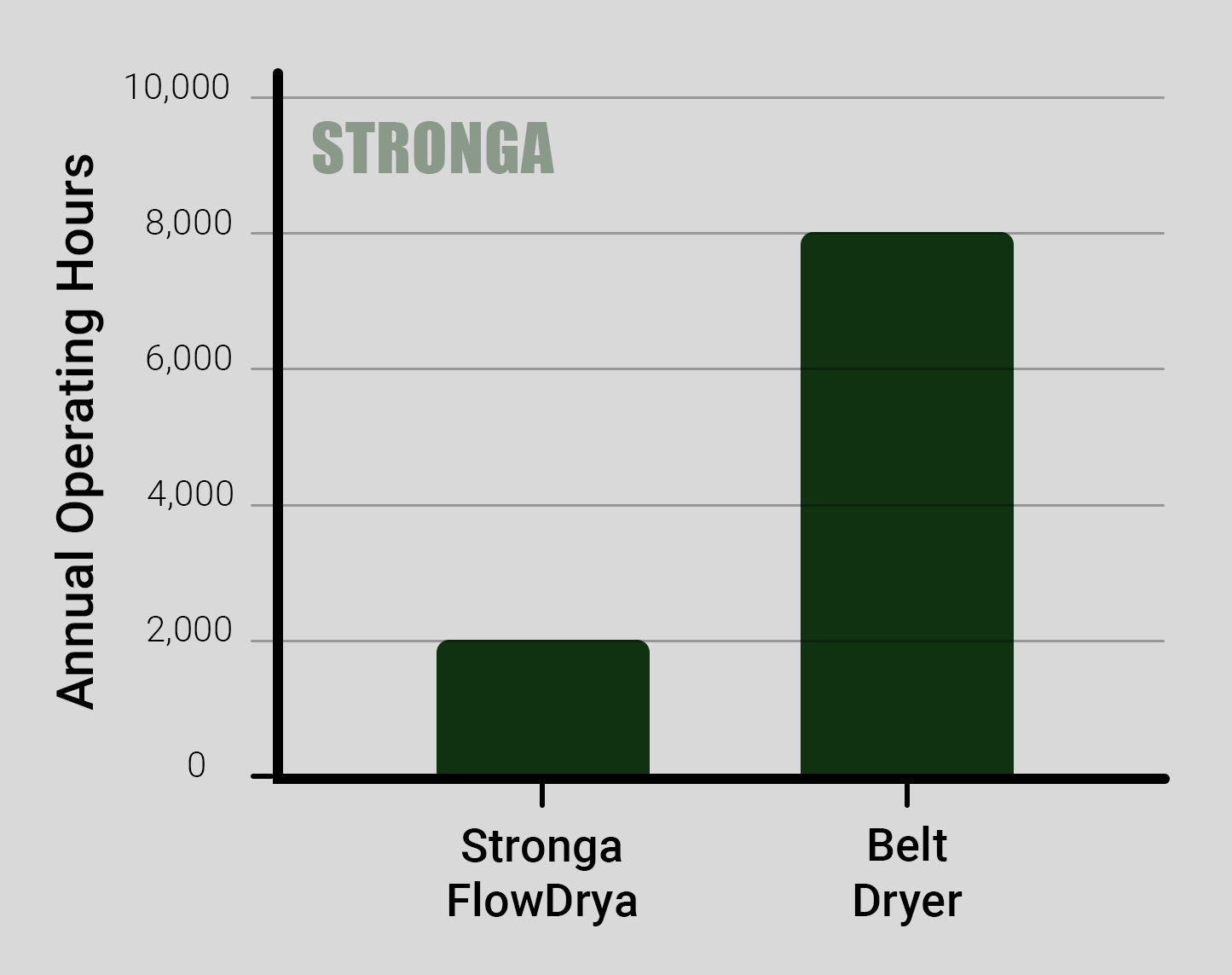
Annual operating hours of FlowDrya vs Belt Dryer
Comparing Dryer Installation Cost & Time
Slow installations delay revenue, increase capital strain and create risk. FlowDrya’s shorter and more simple installation process ensures no time is lost – allowing biomass drying operations to commence almost immediately after delivery.
| FlowDrya | Belt Dryer | On-Floor Dryer |
|---|---|---|
|
|
|
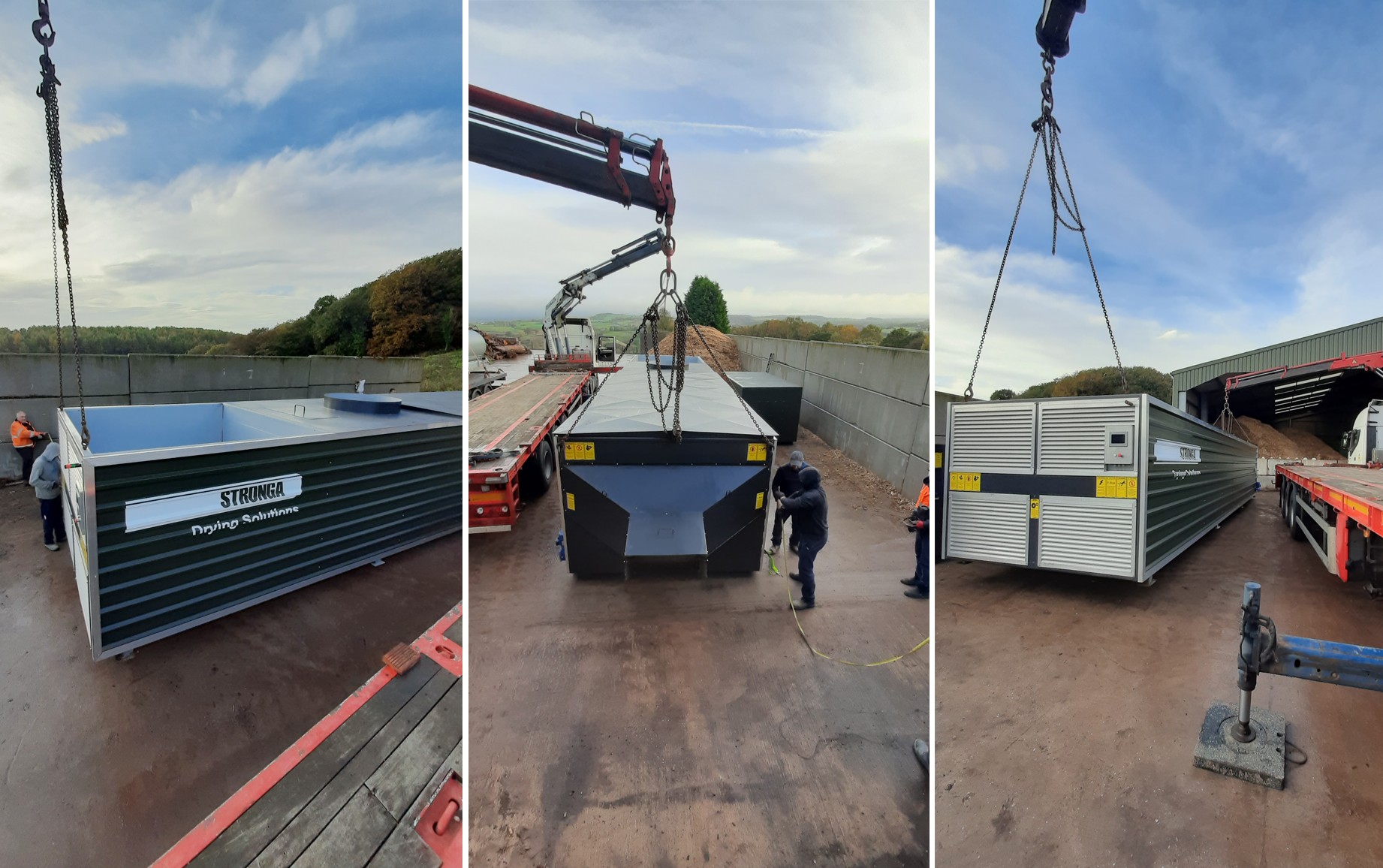
FlowDrya modular installation process
Comparing Electric Energy Consumption
In recent years, electrical energy costs have increased by more than 100% in some regions. FlowDrya offers 3x lower electrical demands than alternative drying systems; this leads to large financial and carbon savings.
| Dryer Type | Electrical Demand | Key Factors |
|---|---|---|
| FlowDrya | Lowest demand | Stop-start operation, low motor usage, residual heat integration. |
| Belt Dryer | 3–4X higher | Multiple motors, several paddle agitators, belt sweepers. |
| On-Floor Dryers | Medium–high demand | High fan back pressures, higher electrical parasitic load, telehandler usage. |
Comparing Hopper Refill Frequency; Labour Efficiency
Labour costs and availability have become increasing concerns for businesses in recent years. Refilling frequency of the dryer has therefore become a key consideration if businesses are to remain competitive in the market.
| Dryer Type | Hopper Size | Impact |
|---|---|---|
| FlowDrya | Very large hopper with extension side options (up to 8X belt dryer capacity) | Minimal labour requirements, full material agitation and pre-drying storage extends reloading intervals. |
| Belt Dryer | No hopper capacity, small infeed separate systems (5m³) | Requires full-time operator to keep motion even during overnight periods. |
| On-floor Dryers | No hopper | Extremely labour-intensive, no even biomass spreader integration or mixing for after-drying. One client was refilling bays every 4 days - these 'semi-hidden' costs are enormous. |
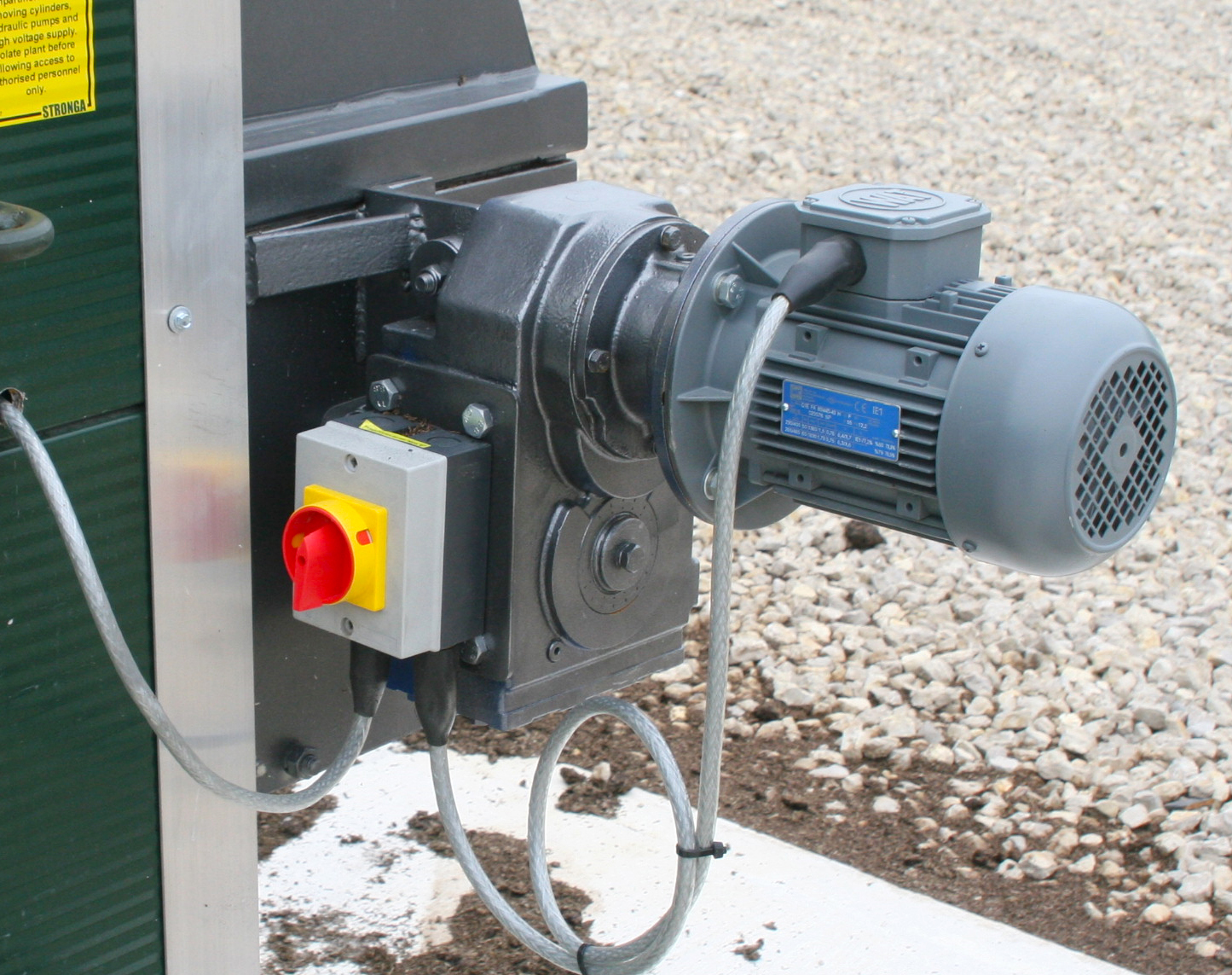
FlowDrya motor-and-gearbox assembly
Comparing Material Agitation of Biomass Dryers
Thorough agitation is a fundamental component of an effective biomass drying process. Without agitation, biomass dries unevenly, wastes valuable energy, lowers yield and increases fire risk.
| Dryer Type | Agitation Level | Outcome |
|---|---|---|
| FlowDrya | Full-depth mixing, PulseWave™ | Unique, automatic and integrated full biomass mixing. Prevents over/under drying and allows for extremely even drying. |
| Belt Dryer | Minimal (flickers only) | Insufficient mixing and agitation – flickers contribute to higher electric costs and increasing complexity. |
| On-floor Dryer | None | Causes re-condensing 'fronts' effect, wet/dry layering. Manual agitation is extremely inefficient. |
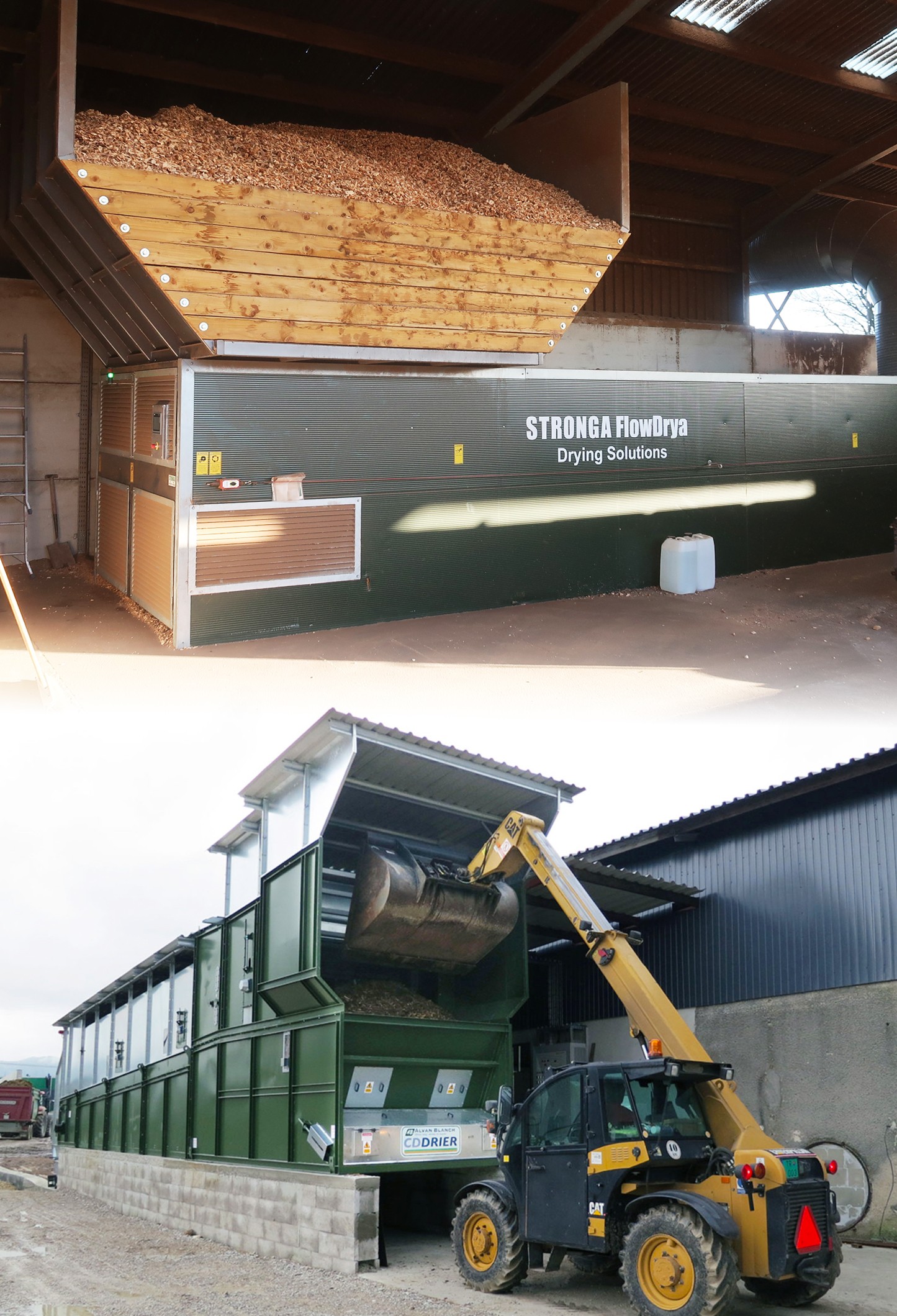
FlowDrya’s large hopper capacity compared to belt dryers
Drying Process Control & Moisture Management Across Dryer Types
FlowDrya offers complete control of the residency time materials are on the drying bed via the HMI smart-controls. The touchscreen controls are fully self-protecting, intuitive and easy to use, allowing customers to set key parameters and monitor data and energy-use logs.
| FlowDrya | Belt Dryer | On-Floor Dryer |
|---|---|---|
|
|
|
FlowDrya HMI control panel
Which Biomass Dryer has the Lowest Fire Risk?
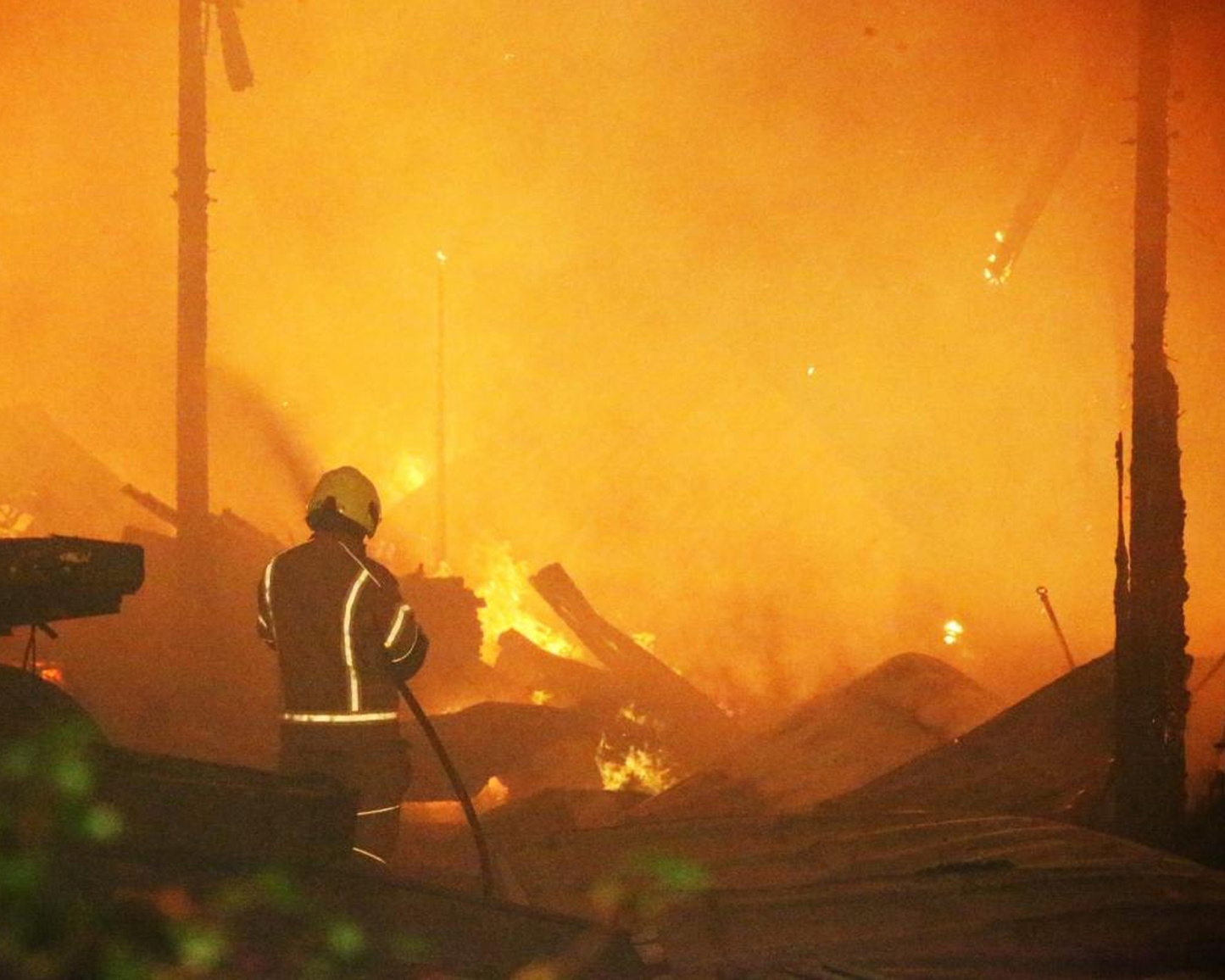
Many clients only recognise fire dangers after experiencing fires and subsequently move to safer continuous flow drying systems.
| FlowDrya | Belt Dryer | On-Floor Dryer |
|---|---|---|
|
|
|
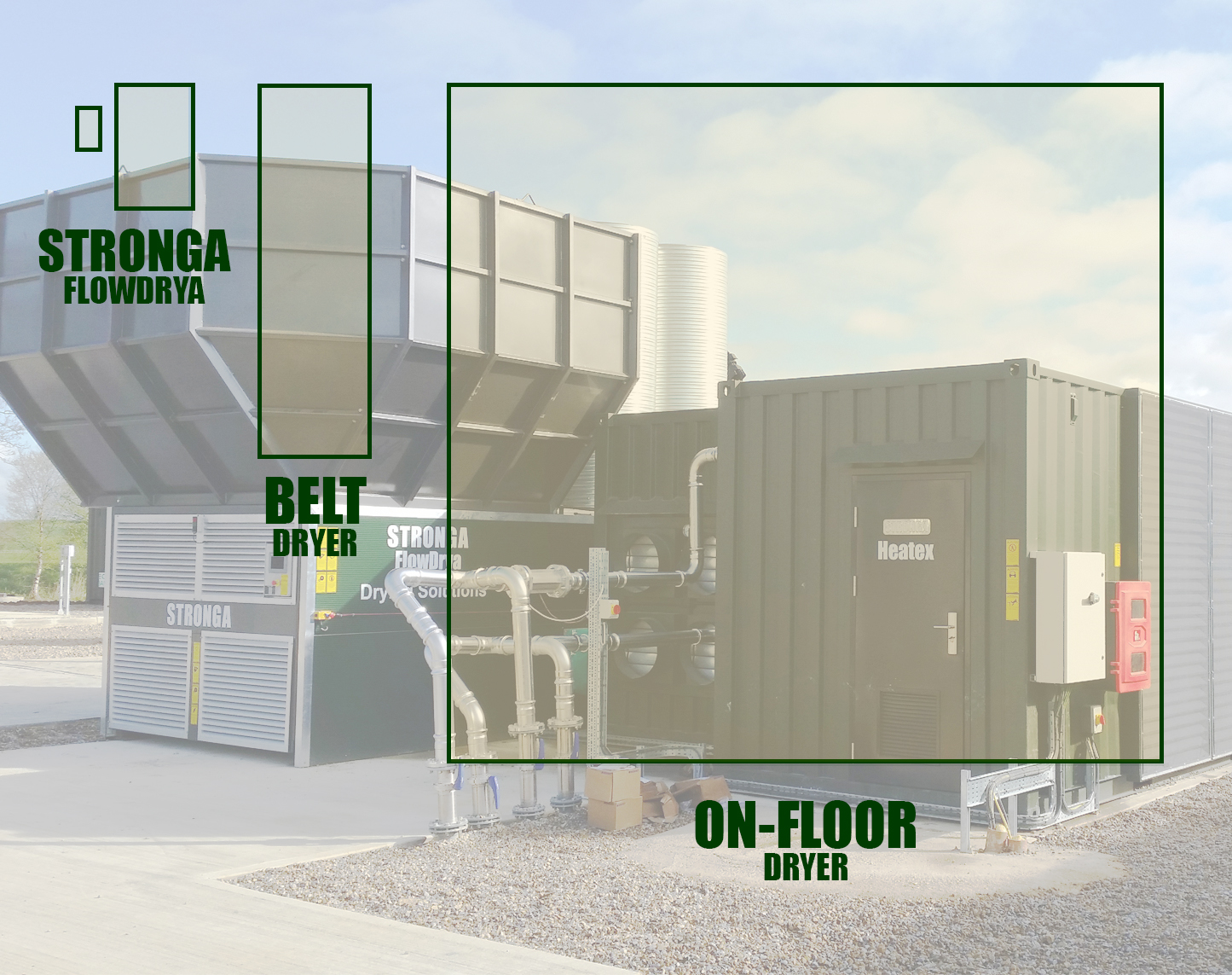
Fire risk comparison between dryer types
What are the Space Requirements for Each Biomass Drying Method?
Physical land space has become increasingly valuable; a compact, modular biomass drying solution, enabled by deep-cycle drying, suits clients wanting to conserve valuable land.
| Dryer Type | Footprint | Details |
|---|---|---|
| FlowDrya | Small (60 m² typical) | Very small footprint - deep bed drying (circa 500mm) + agitation enables a compact design. |
| Belt Dryer | Medium–Large | Requires long belt length due to shallow depth (150mm), potentially up to 3x bigger than equivalent FlowDrya. |
| On-floor | Very large (600 m²) | Building footprint plus yard space for access. FlowDrya occupies 10% of the space required. |
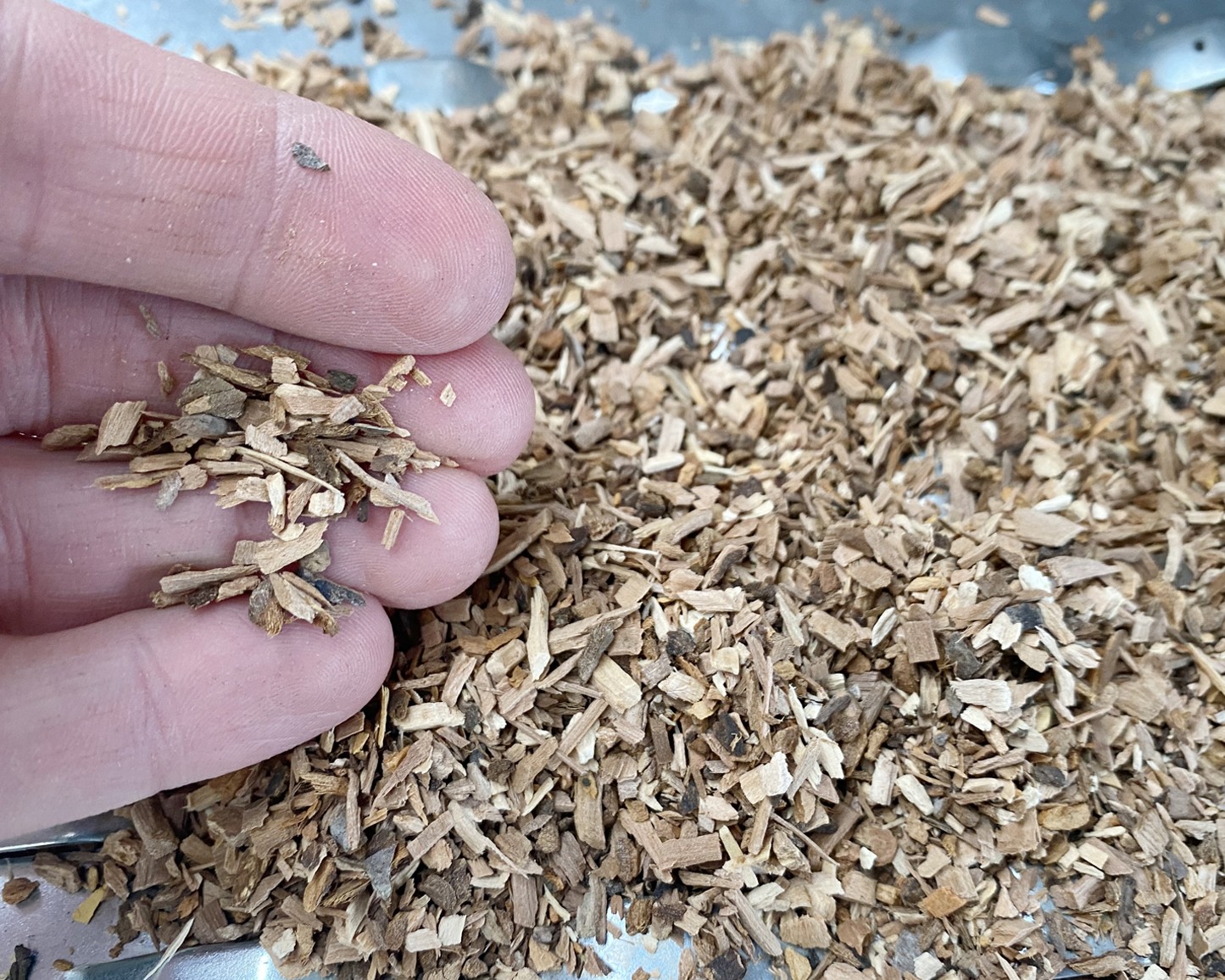
Space requirements comparison between dryer types
Fines Removal & Screening Capability Compared
Fines separation ensures the main dry output material is clean. In some processes, such as gasification and pellet-making, it is vital to use clean material to reduce wear and extend the service life of equipment.
| FlowDrya | Belt Dryer | On-Floor Dryer |
|---|---|---|
|
|
|
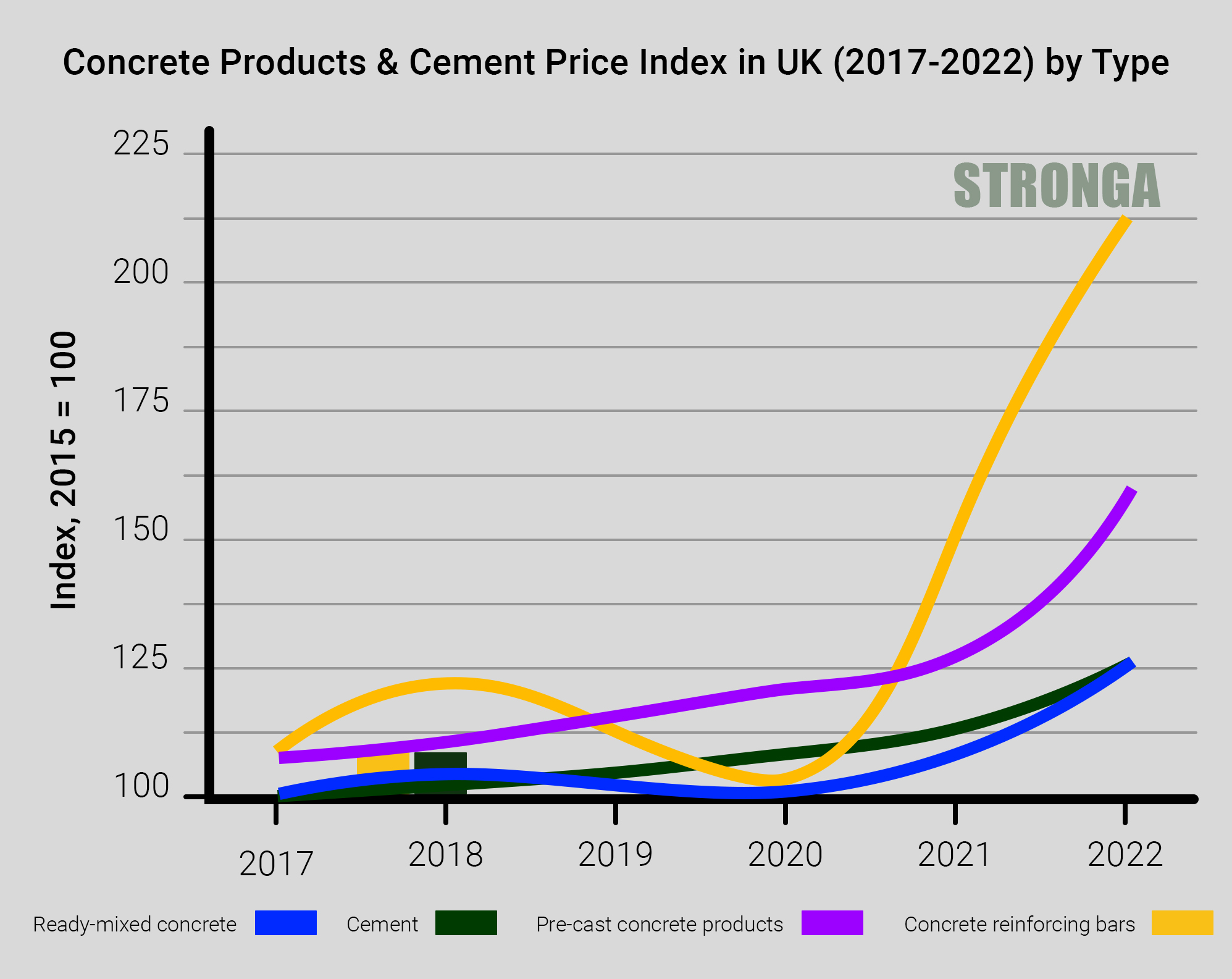
Small fines collected in the sub-floor plenum of FlowDrya
Capital Costs vs Operating Costs: Full Economic Comparison
| FlowDrya | Belt Dryer | On-Floor Dryer |
|---|---|---|
|
|
|
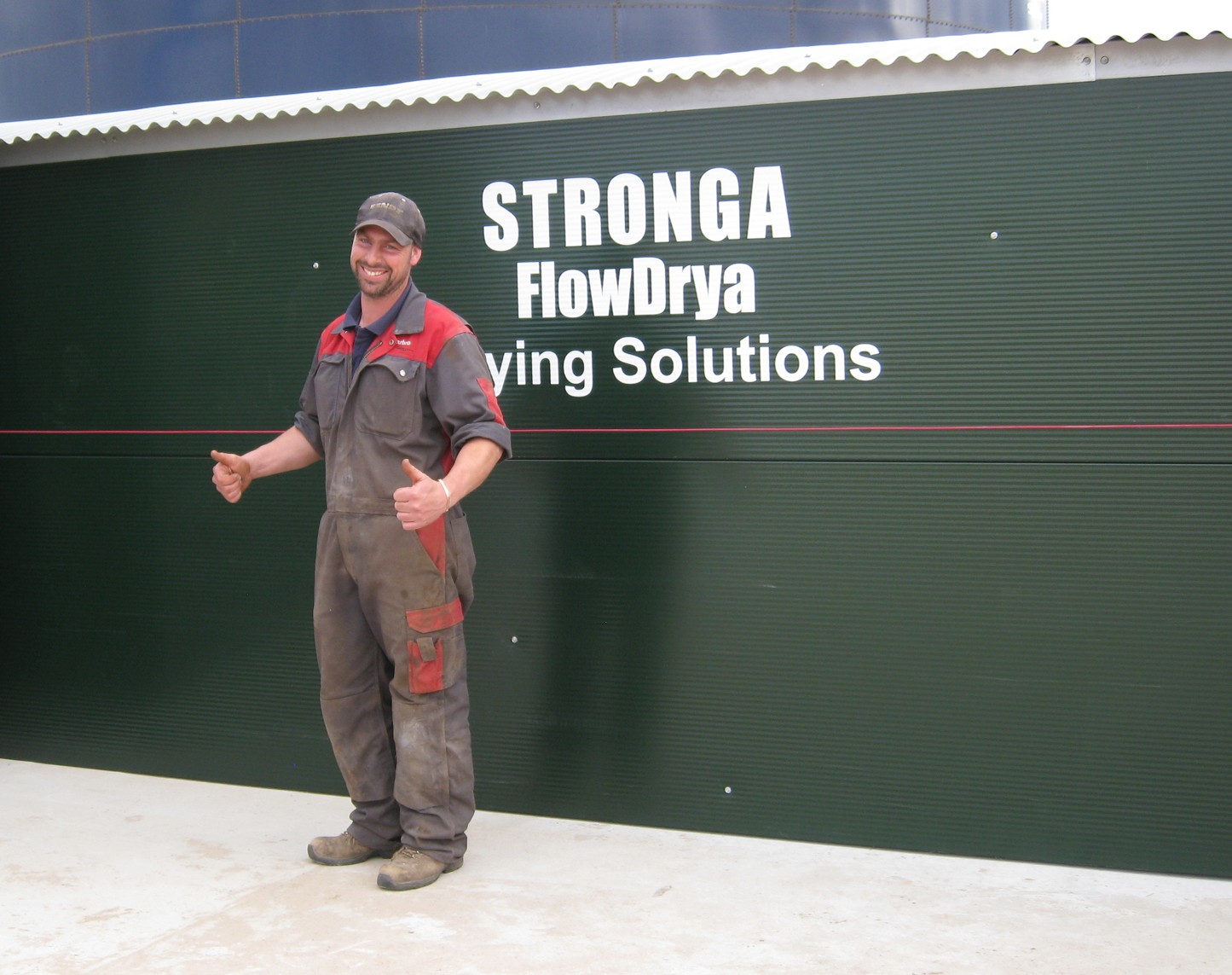
Concrete Products & Cement Price Index in UK (2017-2022)
FlowDrya, Compared: Summary Table
| Feature | FlowDrya | Belt Dryer | On-Floor Dryer |
|---|---|---|---|
| Design Complexity | Low | High | Medium |
| Maintenance | Very low | High | Medium–High |
| Energy Use | Lowest | High | Medium–High |
| Material Agitation | Excellent | Poor | None |
| Footprint | Small | Large | Very large |
| Installation | Fast | Slow | Longest |
| Fire Risk | Very low | High | High |
| Hopper Capacity | Very high | Very low | N/A |
| Control Accuracy | Excellent | Medium | Poor |
| Fines Removal | Integrated | None | None |
Stronga: Setting the Quality Standards
When compared to on-floor and belt drying systems, the business case for FlowDrya is compelling. User-friendly operation and minimal maintenance requirements make for a highly economic biomass drying solution. Today, FlowDrya is the basis for our success in a wide range of drying applications and sectors.
Stronga’s aim is to continuously improve our biomass drying systems with respect to emission reduction and energy efficiency. We are proud of our decades worth of experience in designing and building biomass drying solutions and are justified in claiming that we are setting quality drying standards, worldwide.
Stronga’s experienced technical team
* The knowledge we share is based on customer feedback. Figures included in this article are estimates and based on average FlowDrya models. Actual performance data can only be issued on a project-by-project basis depending on the model of dryer and other factors.