What is Bark?
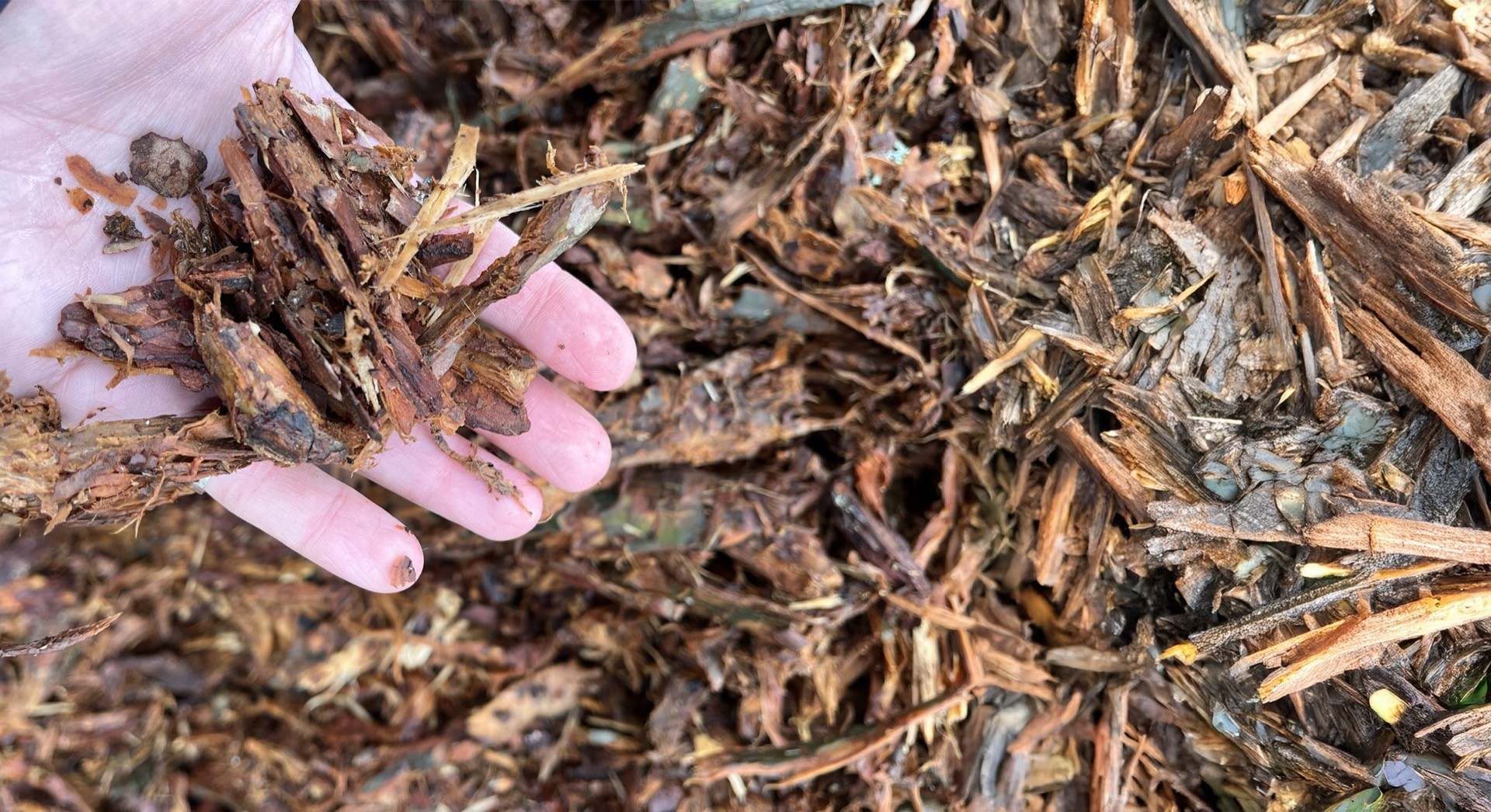
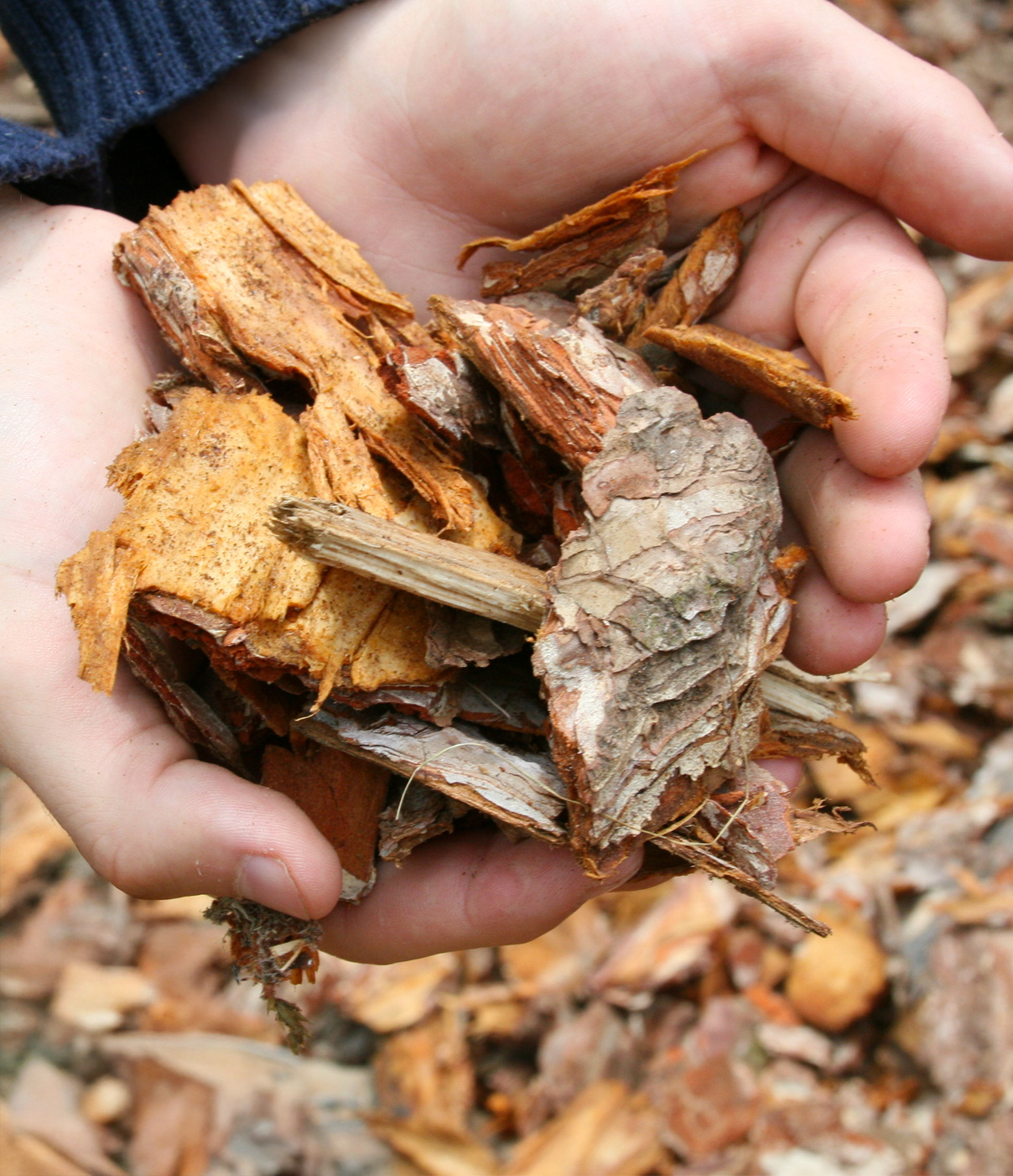
Bark is the material which forms the protective outer covering of trees. The appearance and thickness of bark differ widely depending on the species of tree. Types of smooth tree bark include beech and birch trees. Scaly and rough barks include pine, spruce, larch and oak trees. Stronga has experience in designing FlowDrya drying equipment to dry a wide variety of different bark materials from different tree species.
While this figure can vary significantly depending on tree species, location and season, fresh bark typically harbours high moisture levels of 65%+. FlowDrya efficiently removes moisture from bark whilst preserving the physical structure of the product, ensuring the dried bark complies with fuel, mulch or landscaping market requirements. This eliminates the considerable issues caused by wet bark – including issues with screening, handling, storage and utilisation.
Why Drying Bark Increases Value
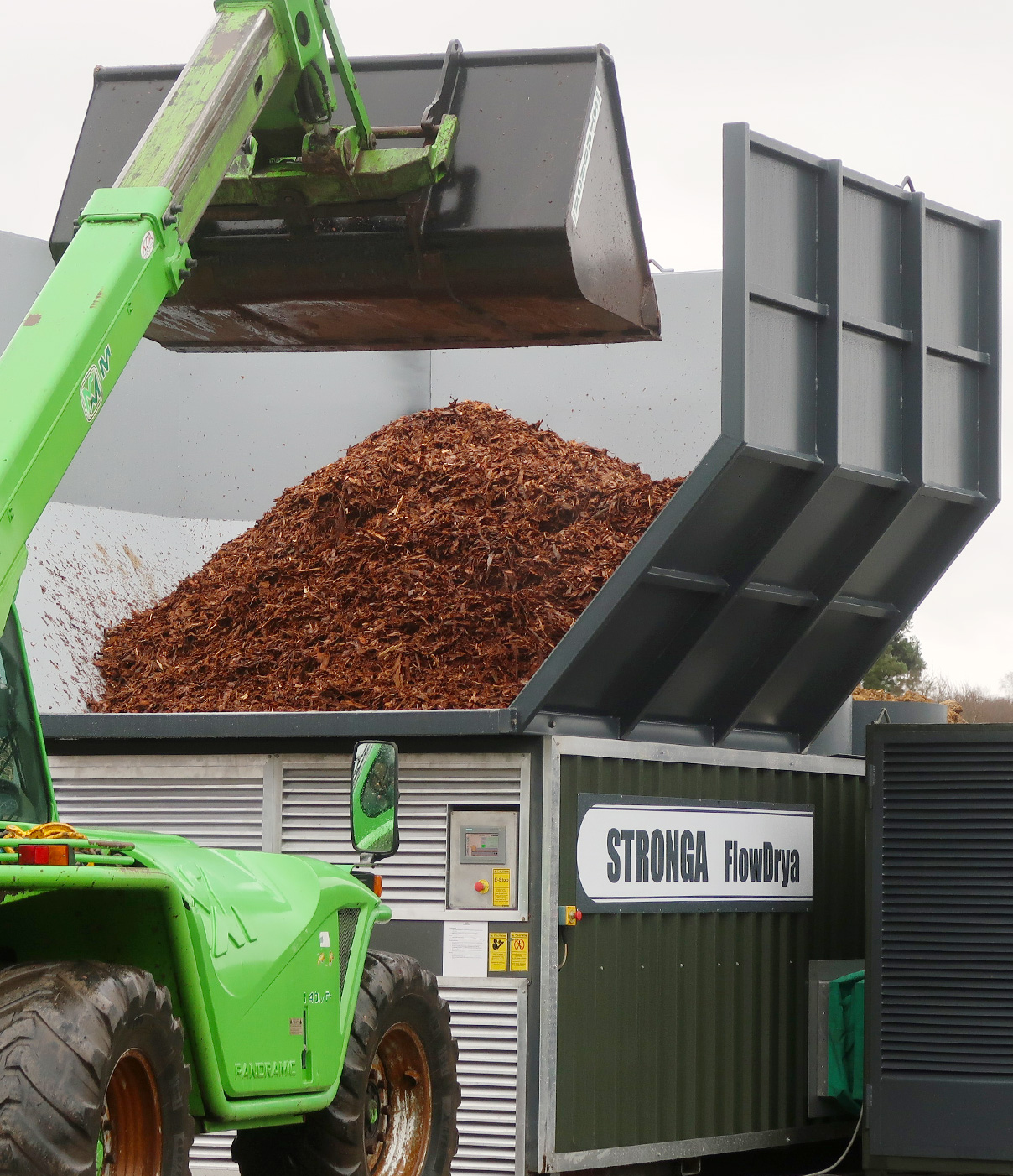
FlowDrya bark drying equipment unlocks the hidden value of bark by-products, transforming what is a waste in its wet form into profitable dry bark products. Discover the benefits of drying bark.
Drying Bark; Unlocking True Value
FlowDrya bark drying systems transform wet bark from low-value by-product into a stable, market-ready material. Drying bark increases calorific value, reduces transport costs, and improves the effectiveness of screening and grading for premium applications. Watch the video to see why FlowDrya is the market's leading dryer for transforming wet bark into profitable dry output.
What Are the High-Value Applications of Dried Bark?
Dried bark serves many diverse markets across energy, horticulture, and landscaping sectors. Discover the potential.
Bark Mulch for Gardens & Landscaping
In gardening and landscaping industries, bark can be used as high quality mulch. When spread over soil, it helps reduce water loss by limiting evaporation, which is particularly useful when planting in dry conditions.
Bark mulch also discourages weed growth by blocking light from reaching weed seeds and also helps regulate soil temperatures, protecting the new plants from drought conditions.
As bark gradually breaks down, it will eventually enrich the soil with organic matter, improving both fertility and soil structure with decorative appeal.
Bark as Soil Amendment
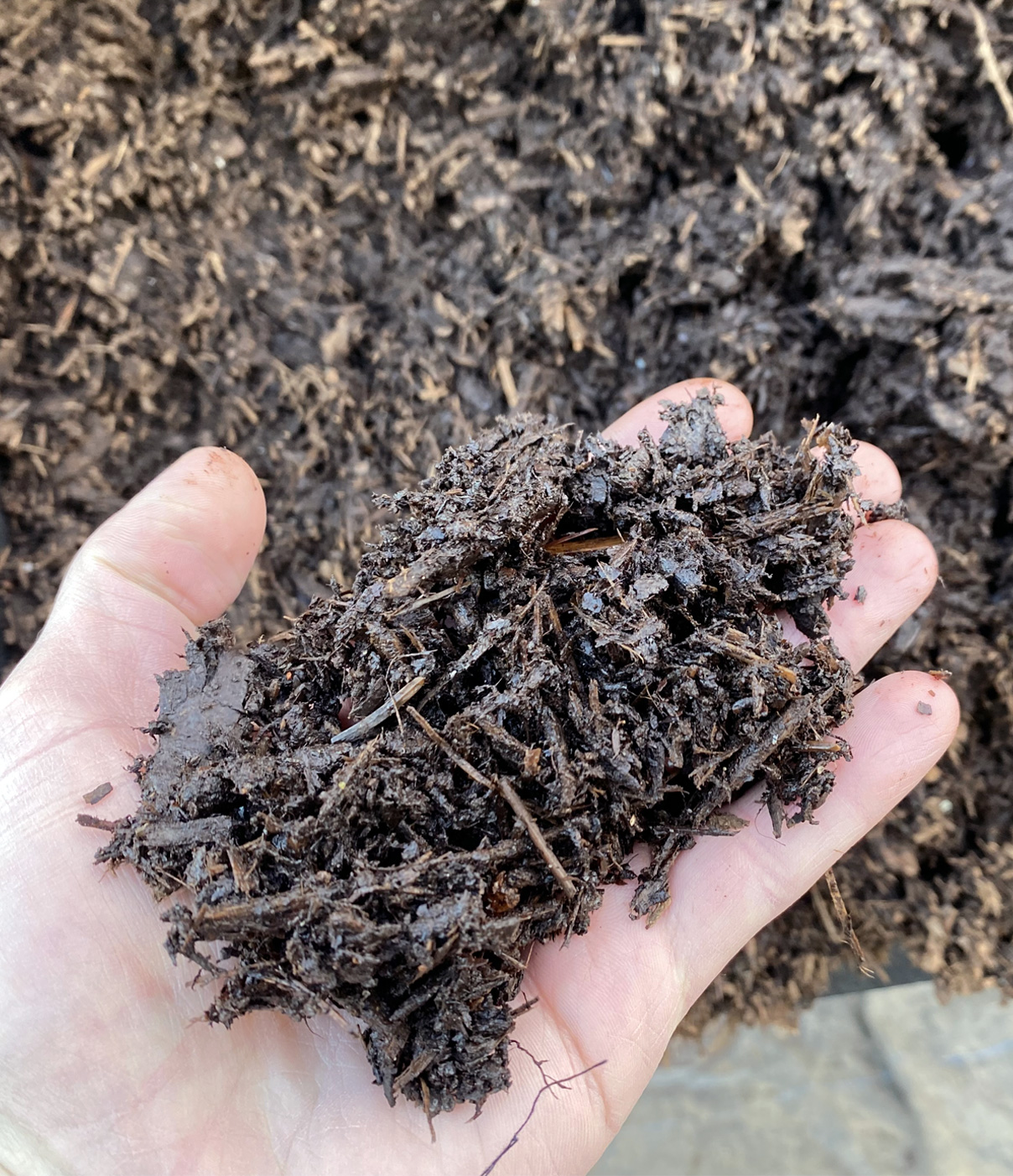
Dry bark is valued as a soil amendment component or as composted fines material, especially for enriching poor quality soil, as a peat-free alternative.
Mixed into heavy clay soils, it helps loosen compacted ground, increasing airflow and allowing water to drain more effectively. It suppresses weeds and helps to protect plant roots from frost/drought, creating better conditions for root development and overall plant vitality.
In lighter, sandy soils, bark helps retain moisture and reduces the loss of nutrients, resulting in a more balanced growing environment and microbiome. Contact Stronga for advice on steam pasteurising bark using FlowSteama equipment, a proven method for eliminating weed seeds.
Decorative Ground Cover & Paths
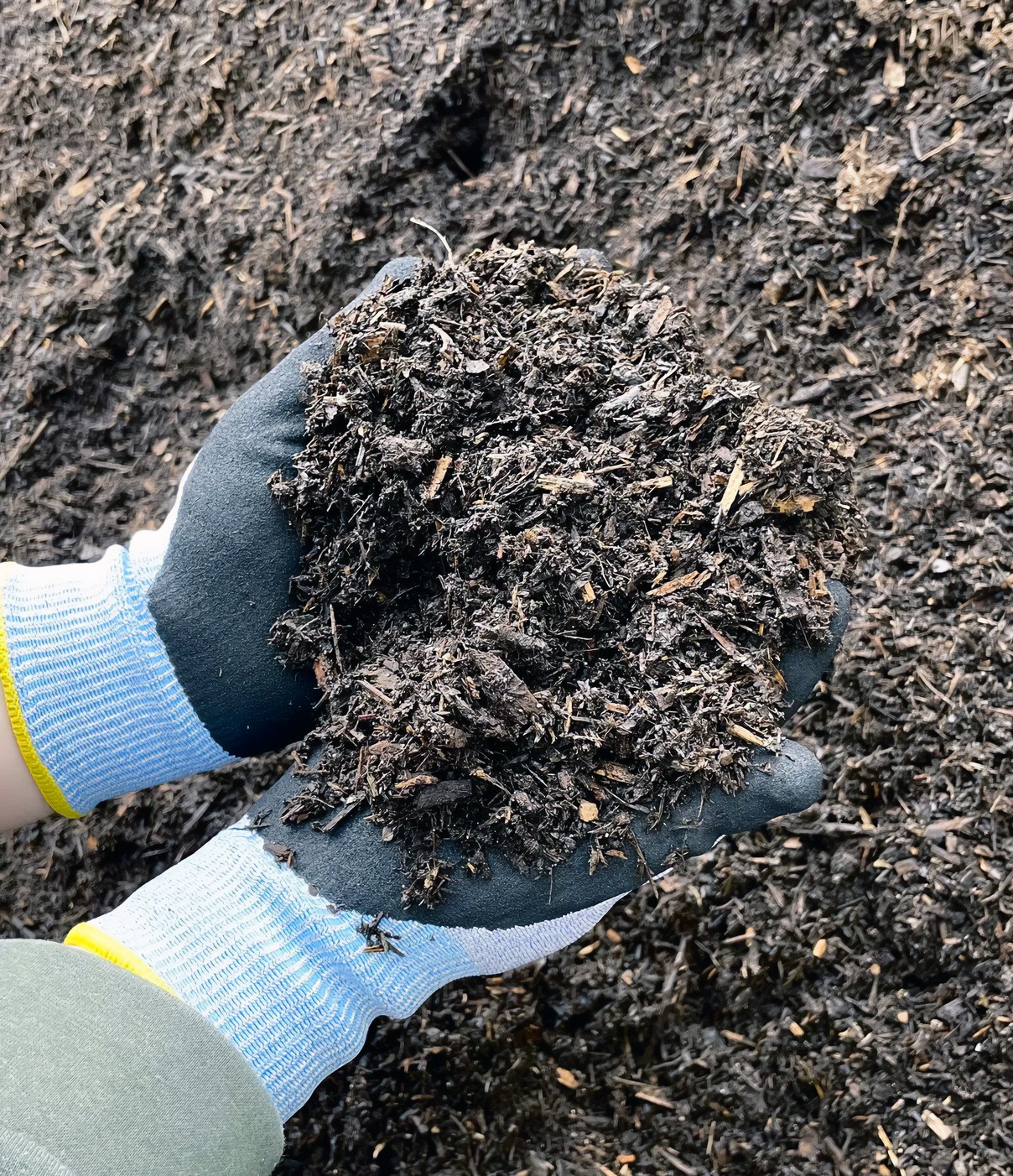
Another common use for dry bark is in garden paths and as a decorative ground cover, with ornamental/landscaping bark chips or pure bark nuggets creating a natural-looking surface.
Bark-covered pathways help minimise mud in high foot-traffic areas, reduce erosion, and improve access to garden areas while enhancing the overall appearance of the landscape. Ornamental bark nuggets are specially designed to be natural but uniform in appearance, perfect for landscapers. In addition to the aesthetic appeal, bark nuggets act as a physical barrier to pests, protecting vulnerable plants, suppressing weeds and also aiding in moisture retention within the soil.
FlowDrya enhances moisture retention, maintains structural integrity, and supports dry bark bag packaging – ensuring long-lasting quality with no mould.
Playground Safety Surfacing
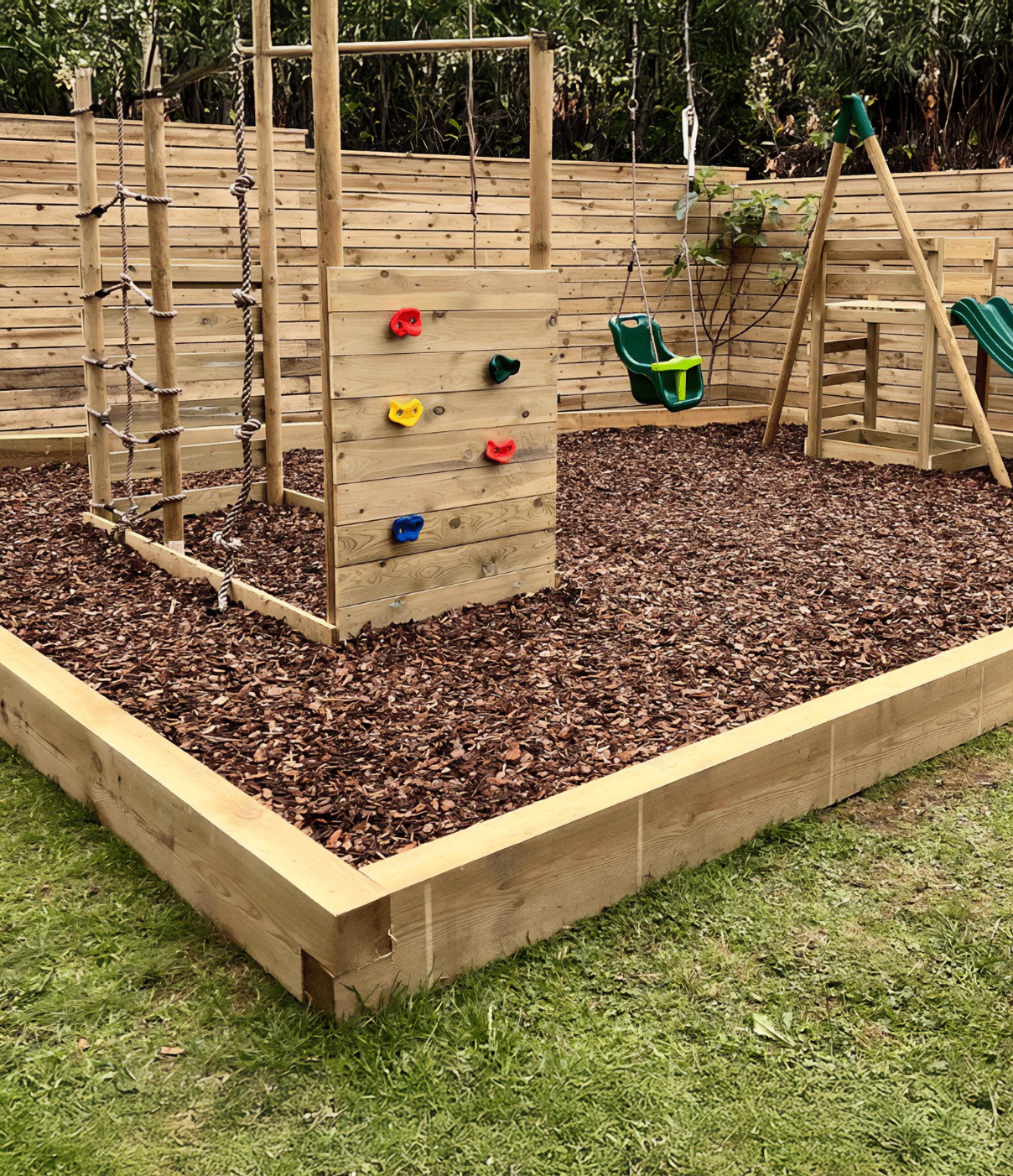
Dry play bark chips are a low maintenance, environmentally-friendly solution for use as a soft, impact-absorbing surface for children's playgrounds. Play-grade bark chips are usually tested against safety standards, such as BS EN 1177, before sale and application.
Among its many benefits, dry play bark also acts as a weed deterrent, suppressing growth of problematic weeds in playground spaces.
Which Bark Applications Generate Highest Economic Value?
FlowDrya bark drying equipment offers one of the best available opportunities to add value to your wet bark by-product, whether it is used as a fuel, landscaping product, or transported across borders into high demand overseas markets.
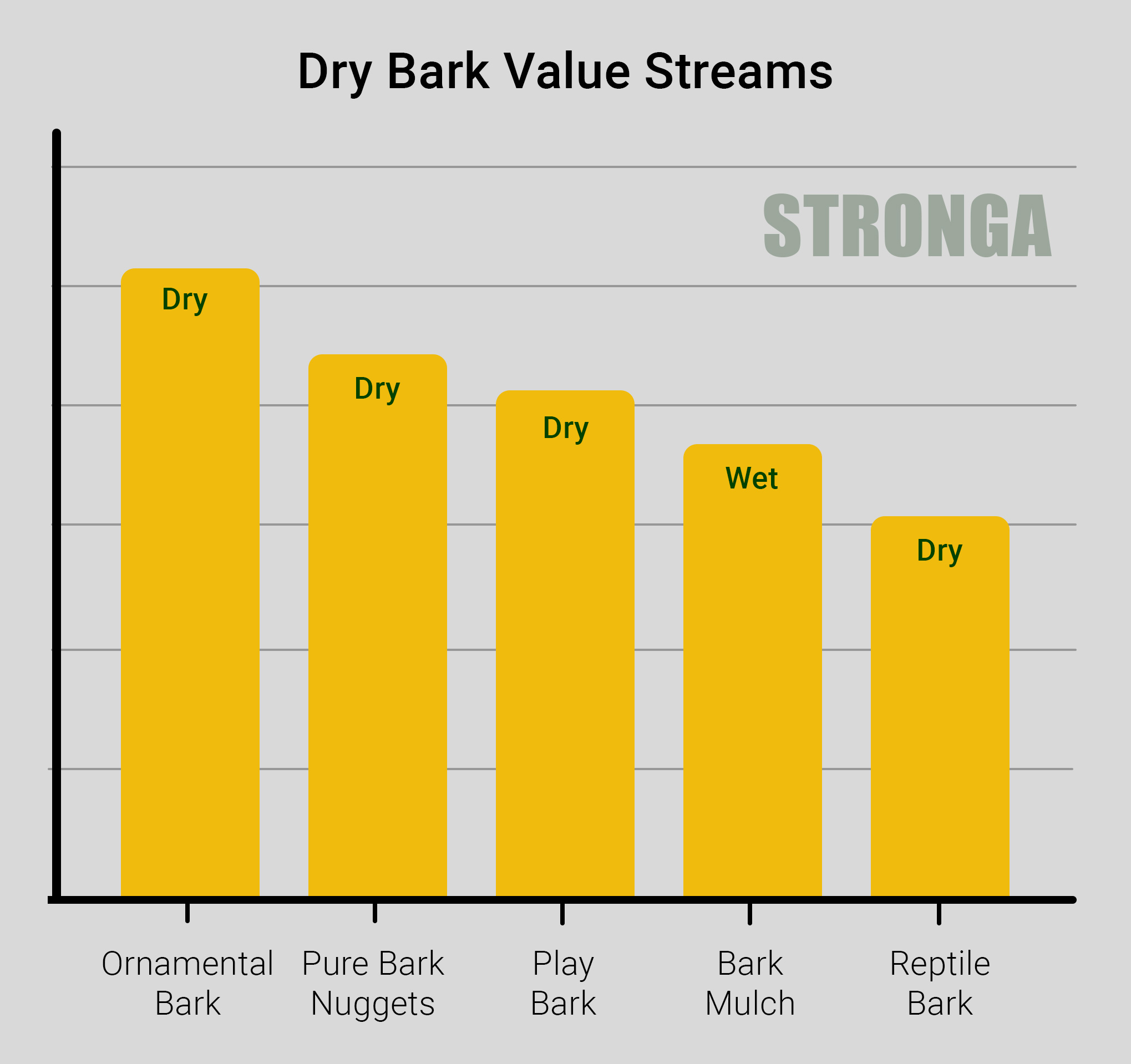
Flow drying improves the bark screening process whilst increasing value extraction from the wet raw bark product. Typically, Premium Decorative Pine Bark (nuggets) have the highest market demand and value in landscape markets, followed by Play-Grade Bark and Bark Mulch/ Amendment grades. The table below details other high value areas.
Bark Drying FAQs
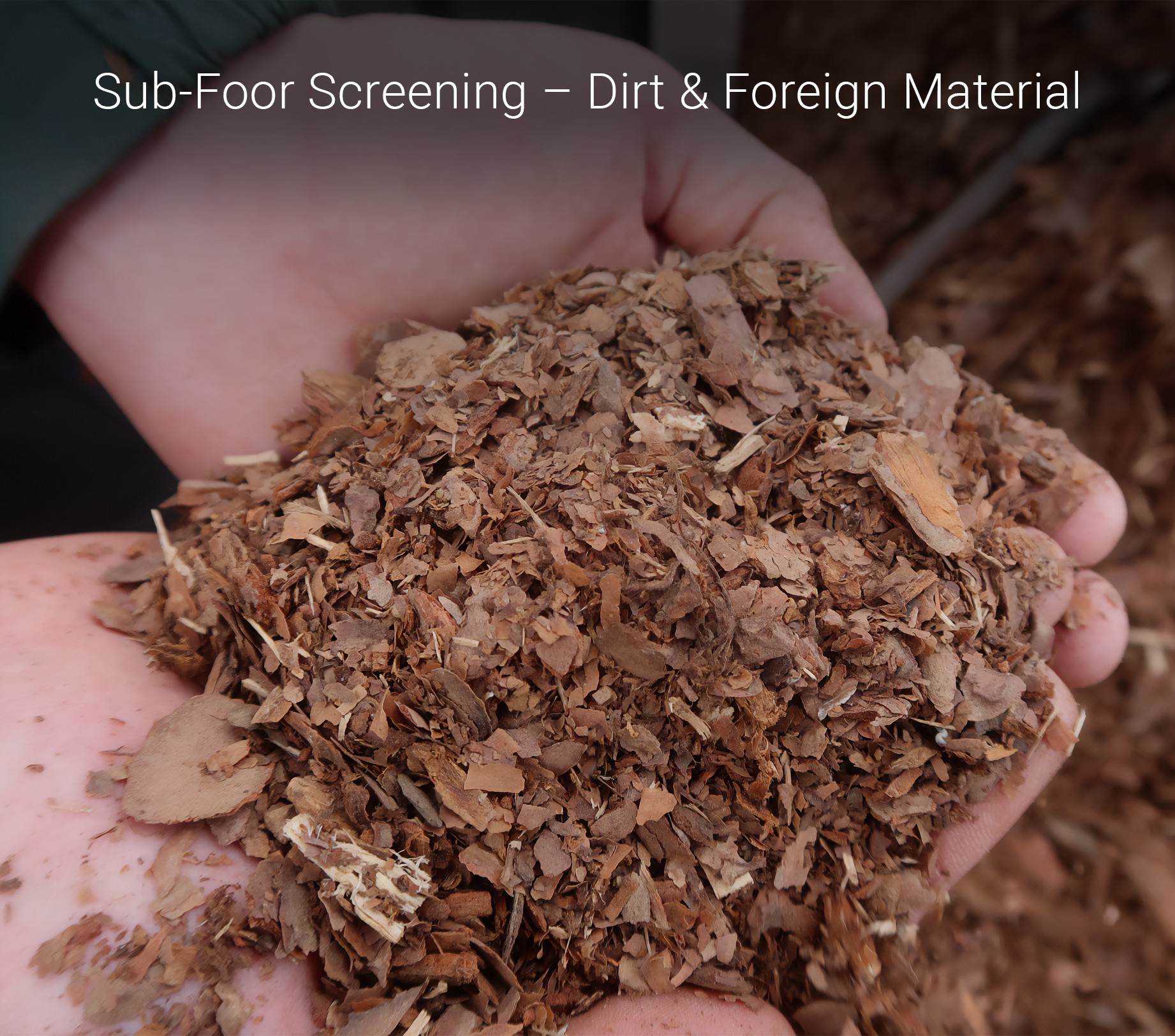
FlowDrya features an integrated sub-floor screening process that removes soil, dirt, sand and small foreign materials from the naturally 'dirty' bark stream, during the drying process.
Dried bark below 25% moisture has far superior fraction separation ability in trommel screening. The efficiency of cleaner separation in low moisture bark, allows post processing after drying to be so much more efficient. Flow drying increases the value of high value dry, processed bark fractions, ensuring the dried product emerges clean and ready for further processing or direct sale to premium markets.
FlowDrya provides the most effective technology for drying bark at commercial scale, whilst achieving consistent moisture reduction. FlowDrya's unique PulseWave™ material agitation motion is proven to handle the most fibrous, long and stringy bark fractions (Phloem/ Cambium).
Wet raw bark has relatively low net calorific value due to the high moisture content. Freshly debarked material at 65% moisture has a net calorific value of less than 2.0 MWh/tonne. Drying bark to 20% moisture increases its calorific value to over 4 MWh/tonne, more than doubling the calorific value of the bark as a biomass fuel.
Biomass boilers require biofuel of the correct specification for the boiler type, making drying essential for most biofuel applications. Biomass boilers tend to not operate effectively with fuel above 35% moisture, making flow drying essential for fuel applications.
Bark can present additional challenges when compared to wood chip: higher initial moisture content; more variable particle size and shape; tendency to mat together. FlowDrya systems are specifically designed to handle these characteristics. The hopper, is designed for hard to handle, clumpy and heavy biomass materials and PulseWave™, levelling and agitation systems ensure material is tumbled and separated on the drying bed, while the perforated drying floor ensures even airflow through the dense bark material.
Target output moisture varies depending on the intended application: Biomass fuel: 15-25% for optimal combustion efficiency; Landscaping product: 20-30% for microbial and structural stability; Reptile bedding: 15-20% to prevent bacterial growth. FlowDrya's precise HMI DryStation™ controls enable moisture reduction control by adjusting the number of strokes per hour, and therefore residency time on the drying bed.
Operating costs of the flow dryer depend primarily on heat source selection. Using residual heat from sawmill CHP (combined heat and power), flue gases or sawmill kiln surplus heat, will reduce operating costs. Drying bark transforms it from a waste product to a high value, marketable product, increasing your revenue streams. Inherently, the Stronga FlowDrya is a low opex dryer with extremely low electrical energy demand.
The typical residence time for bark drying varies depending on intended application, input moisture content, particle size and tree species etc. Please speak to Stronga about your specific bark drying project requirements.
Compliance with EU phytosanitation regulations requires a minimum of 30 minutes, heat treated to 56°C temperatures. Regulations may vary by region or country. Speak to Stronga to discuss our various heat-treatment solutions.
Ready to discuss your bark drying project?
Our team can help you specify the right FlowDrya system for your bark type, throughput requirements, and target moisture specifications.