Why Cement Production Is So Carbon Intensive
The cement industry is responsible for around 8% of global CO₂ emissions, a figure that has risen steadily for decades. Cement production releases large quantities of CO₂ from two sources:
- Fossil fuel combustion: High-temperature rotary kilns — traditionally powered by coal, lignite, heating oil or natural gas — consume enormous volumes of energy.
- Chemical emissions from clinker production: The calcination of limestone into clinker produces CO₂ directly. This chemical process alone accounts for up to 50% of total cement emissions.
Combined, these emissions match those of major industrialised nations. Without alternative fuels, cement’s carbon footprint will continue to accelerate.
With climate targets for 2030 and 2053, cement producers are urgently shifting away from coal and other fossil fuels. One of the fastest-growing solutions is the use of SRF fluff (Solid Recovered Fuel) as an alternative, lower-carbon energy source. Stronga’s SRF drying technology enables cement plants to use high-calorific, low-moisture SRF in their kilns, cutting fuel costs, reducing emissions and improving energy independence. Learn more about our project with OYAK Çimento in Turkey.
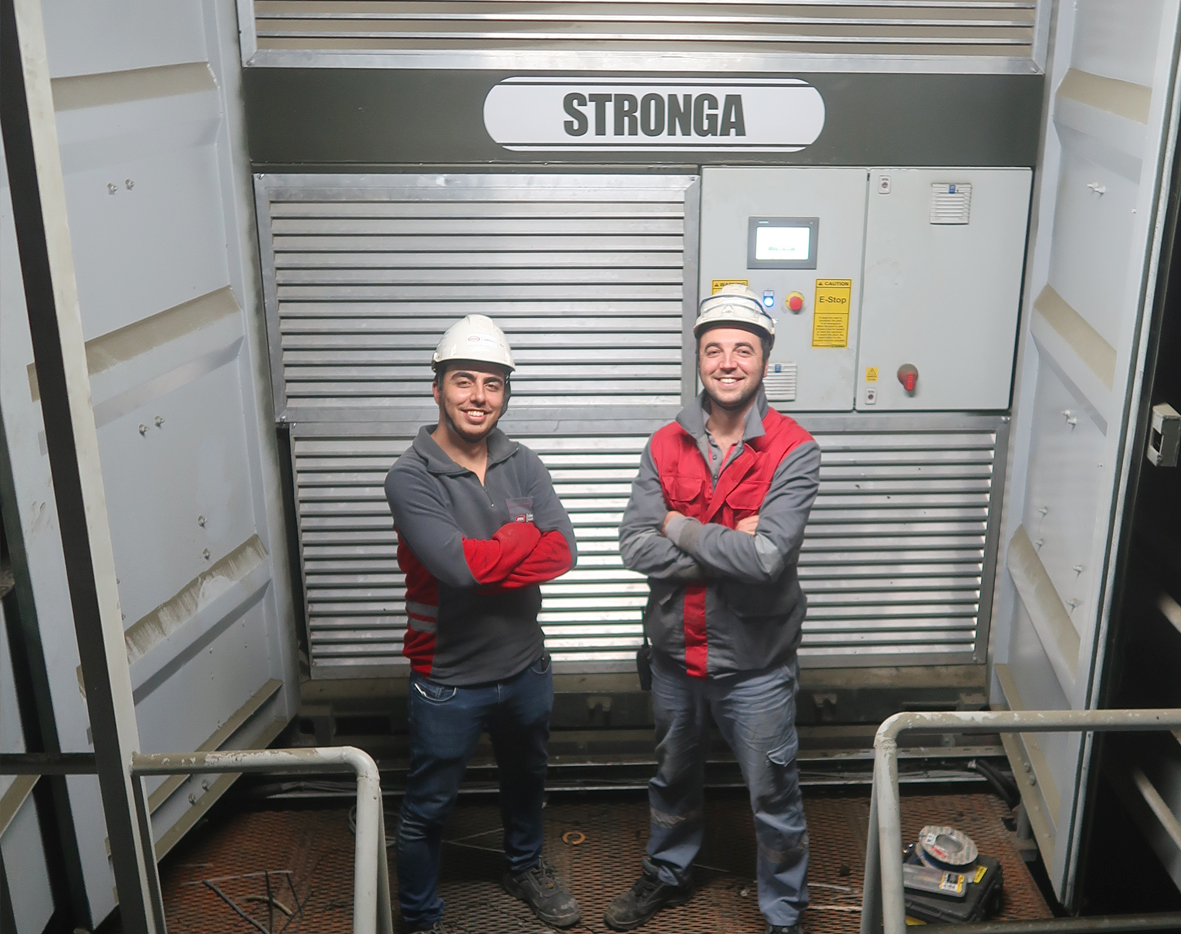
FlowDrya FD38 SRF drying system in operation at OYAK Çimento
Wet SRF loaded into the FlowDrya hopper
Why Cement Plants Are Switching to SRF and Waste-Derived Fuels
Why are cement producers worldwide adopting SRF fluff and other waste-derived fuels to decarbonise operations?
- Circular economy incentives
- Increasing carbon taxation
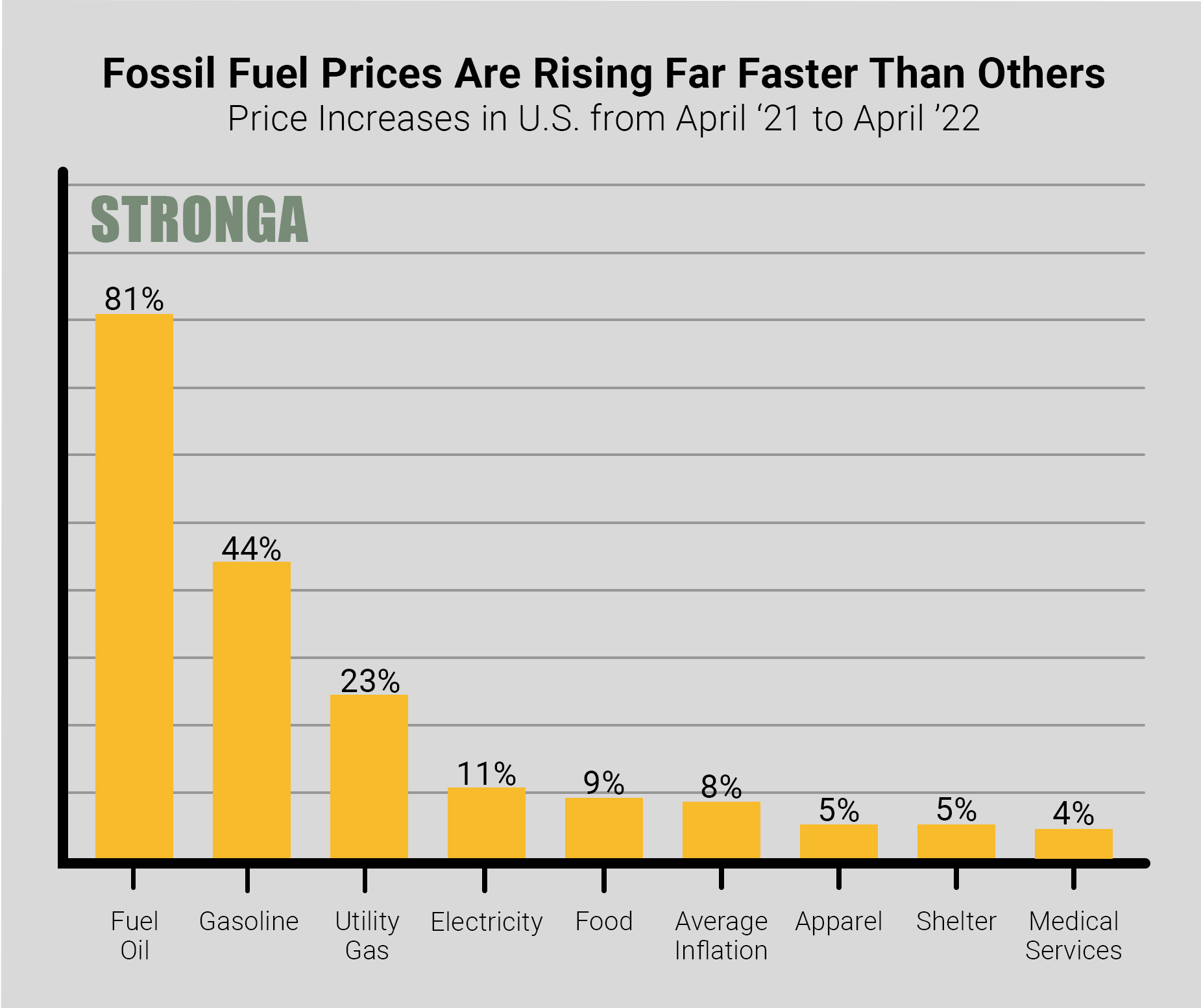
- High fossil fuel prices and volatility
- Government pressure to reduce industrial emissions
- Abundant non-recyclable waste streams suitable for energy recovery
With rising costs harming their bottom-line, a Turkish cement production plant approached Stronga with the aim of using a flow dryer to dry their SRF fluff to kiln-ready moisture levels.
What Are “Alternative Fuels”?
Alternative fuels include SRF, tyre crumb, biomass residues and other non-fossil waste materials. When conditioned correctly, SRF provides high calorific value, making it ideal for high-temperature cement kilns. However, SRF often arrives at cement plants with high moisture, especially in wet seasons, making it unsuitable without drying.
Drying SRF is essential because:
- Wet SRF lowers combustion efficiency
- High moisture causes kiln instability and emissions
- Moisture-related VOCs increase environmental impact
- Out-of-profile SRF is rejected or heavily penalised
Drying SRF to 20% moisture ensures a consistent, high-energy fuel that replaces coal at a much lower cost. Stronga’s SRF dryer utilises OYAK Çimento’s abundant supply of residual thermal energy from their on-site kiln, enhancing energy conservation of the operation.
Overall, Stronga played a vital role in ensuring the SRF was conditioned to the optimal moisture content to maximise tonnage throughput, while adding significant calorific value to the material.
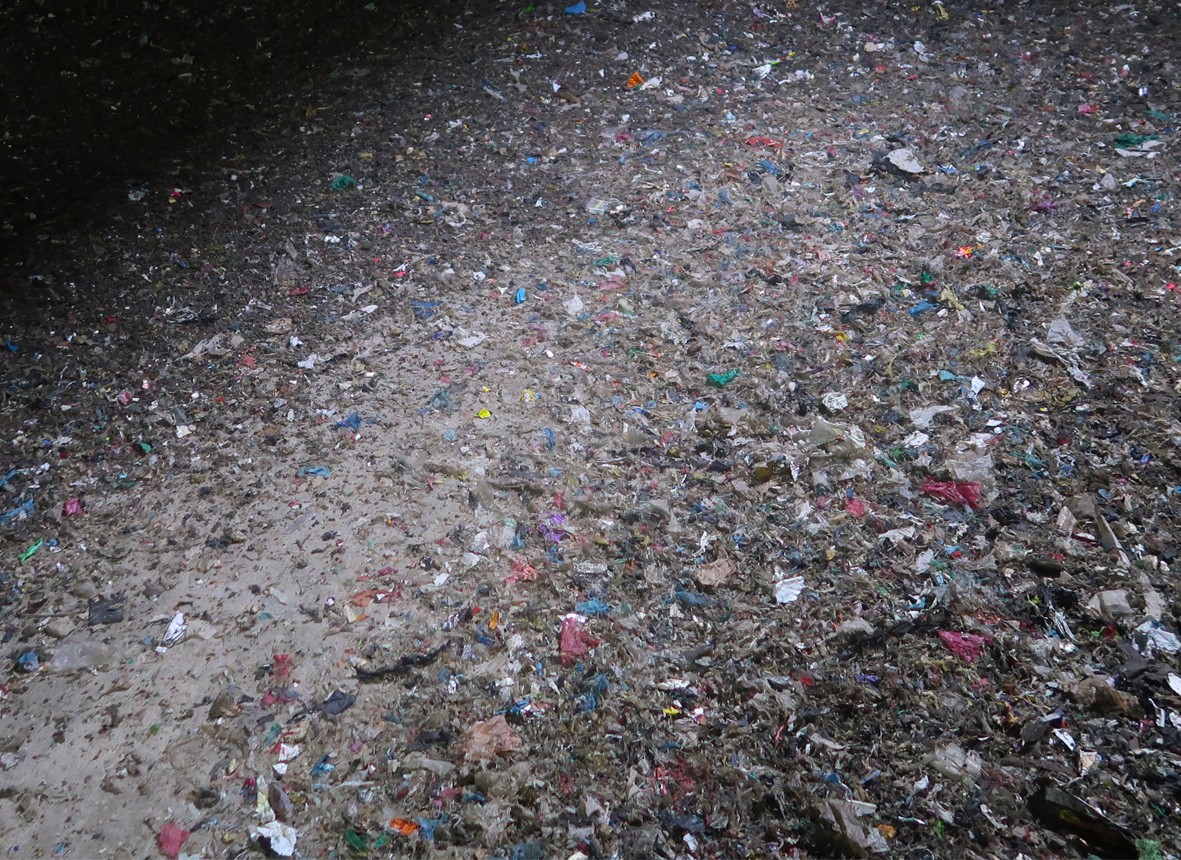
Dry SRF – alternative fuel for cement production
Local SRF Supply & Plant Efficiency
Utilising dry, locally-sourced SRF has allowed our client to become entirely energy-independent, operationally-resilient and even more competitive in the cement market. Producing dry SRF on-site has delivered significant operational advantages for OYAK, including:
- Full independence from fossil fuel market volatility
- Lower carbon taxes due to reduced fossil fuel combustion
- Effective use of residual thermal energy from the kiln
- Reduced landfill waste and improved sustainability scores
- Stronger alignment with circular economy goals
- Stable, predictable kiln heating
Using FlowDrya, OYAK are now able to transform their local SRF supply into a reliable year-round energy stream.
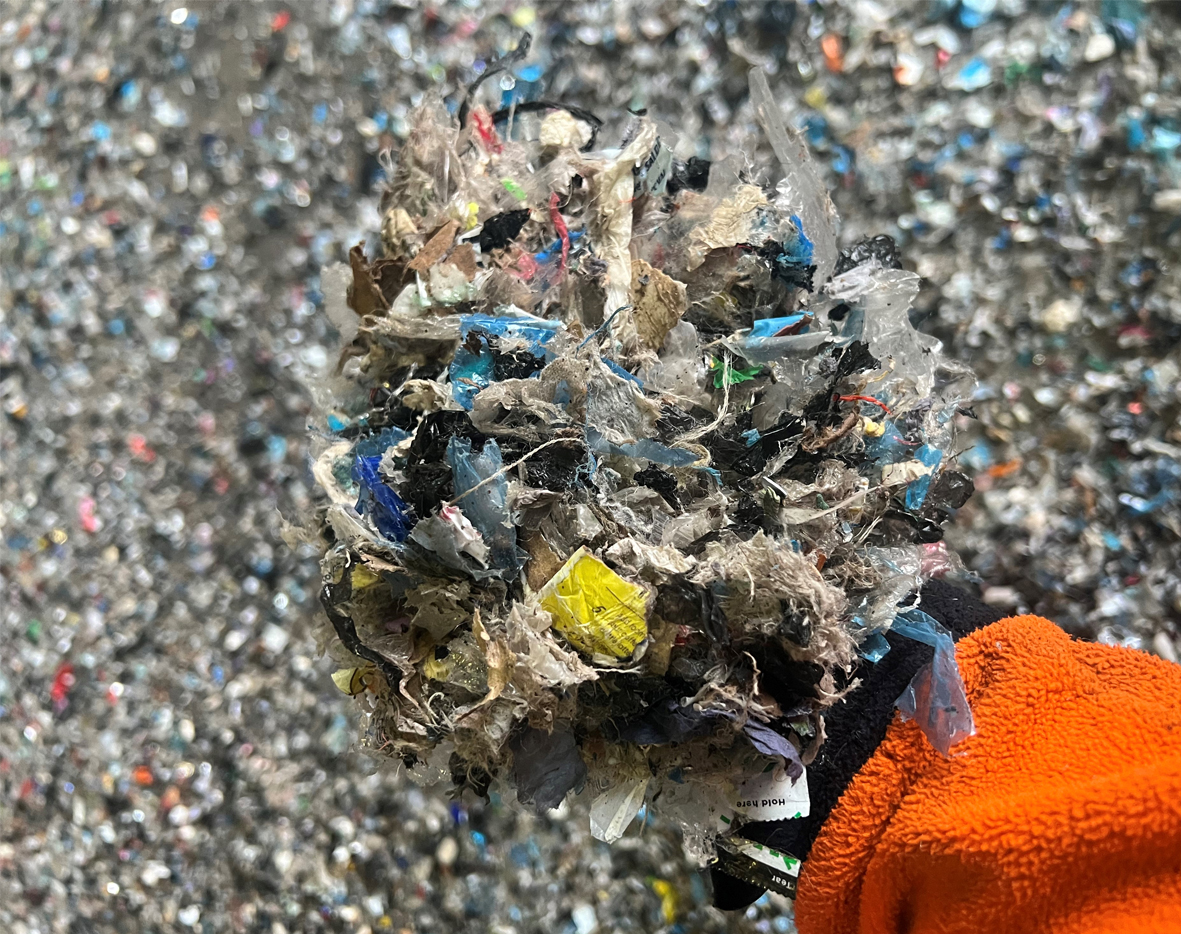
Wet SRF
What Makes the “Right” SRF Dryer for Cement Plants?
Stronga supplied two custom-engineered FlowDrya FD38 dryers for OYAK Çimento, designed specifically for: Local climate conditions; Seasonal precipitation patterns; SRF fluff characteristics; Required throughput; Available low-humidity residual kiln heat.
FlowDrya integrates seamlessly with existing conveyors, storage and fuel-handling systems, enabling fully automated SRF conditioning.
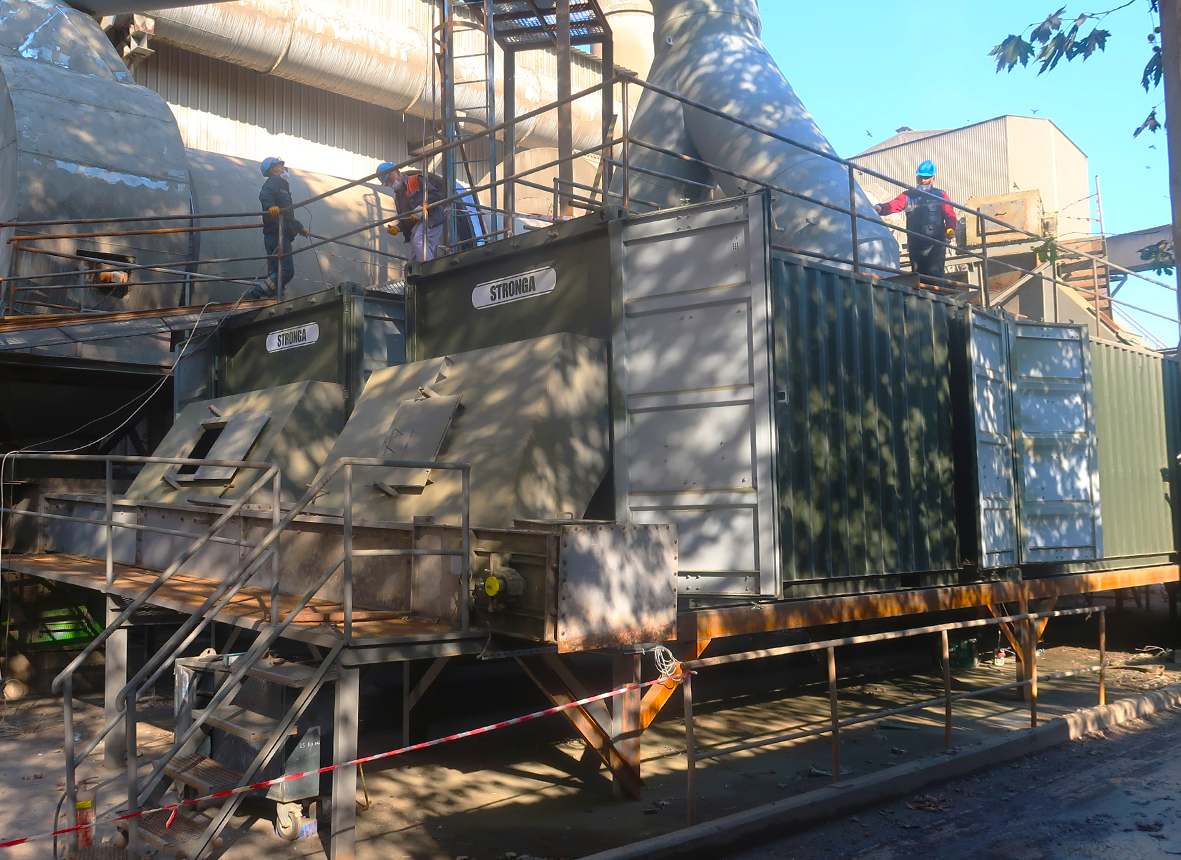
Two custom-engineered FlowDrya FD38 SRF dryers on-site in Turkey
Key Features of Stronga’s SRF Drying Technology
- Simple design with no belts and few bearings, significantly reducing fire risk and maintenance costs.
- Equipped with a fines auger which filters the material, ensuring no ‘non-SRF’ contaminant materials are used in the kiln.
- Hydraulically powered with PulseWave™ agitation ensuring consistently dry, highly calorific output.
- Environmentally-friendly; accepting residual heat while diverting SRF from landfill.
- Highly reliable with continuous duty operation cycles up to 8,500 hours per annum.
- Fitted with DryStation™ HMI controls which log and monitor moisture parameters.
- Easy to integrate together with existing on-site equipment (conveyors & more).
- Available with anti-corrosion stainless steel for certain corrosive materials.
- Compact - scaled according to the customer’s requirements.
- Airflow zoning to ensure effective moisture removal.
Decarbonising Cement Production with SRF Drying Technology
By recovering the material value from waste (SRF) through drying, extortionate long-term cost savings and atmospheric GHG reductions can be made. Recognised for their positive achievements and contribution to alternative energy usage in the cement industry, our client’s operations have now become even more efficient through making the smart investment in Stronga SRF drying systems.
Decarbonising Cement Production with SRF Drying Technology