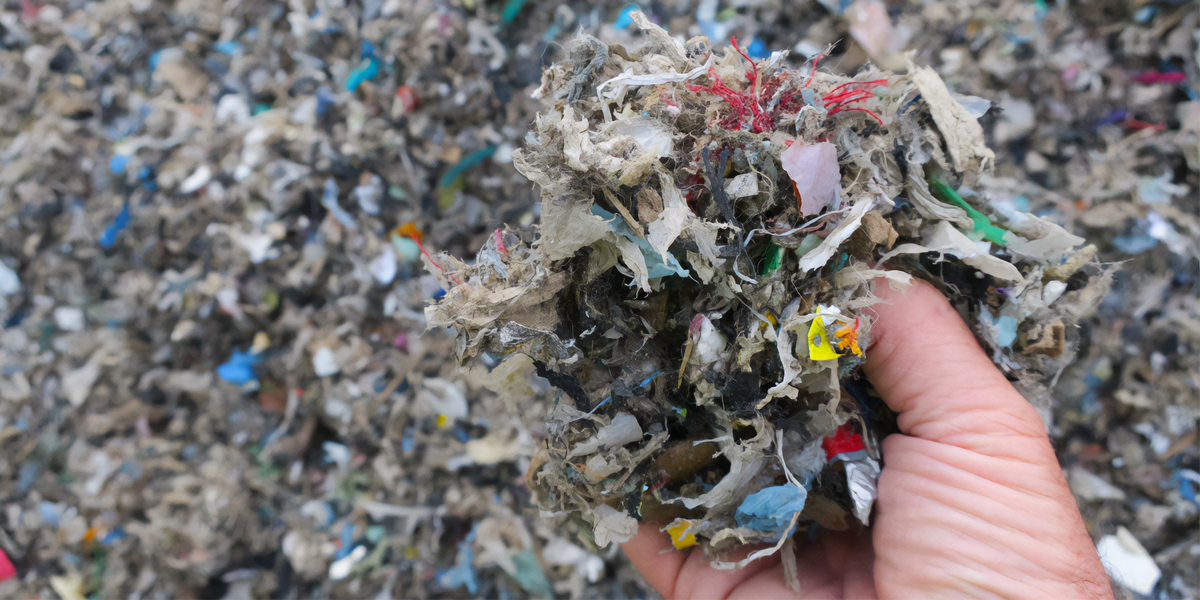
Energy-intensive industries are facing rising carbon taxes and increasing fossil fuel costs, causing cement manufacturers to shift towards Solid Recovered Fuel (SRF) as a cost-effective, lower-carbon alternative.
The use of SRF as an alternative fuel not only allows the recycling sector to divert waste from landfill, thus avoiding increasingly expensive landfill costs and taxes, but also creates a potential income stream through the sale of consistently-dry, conditioned SRF. This preserves increasingly scarce, non-renewable natural resources.
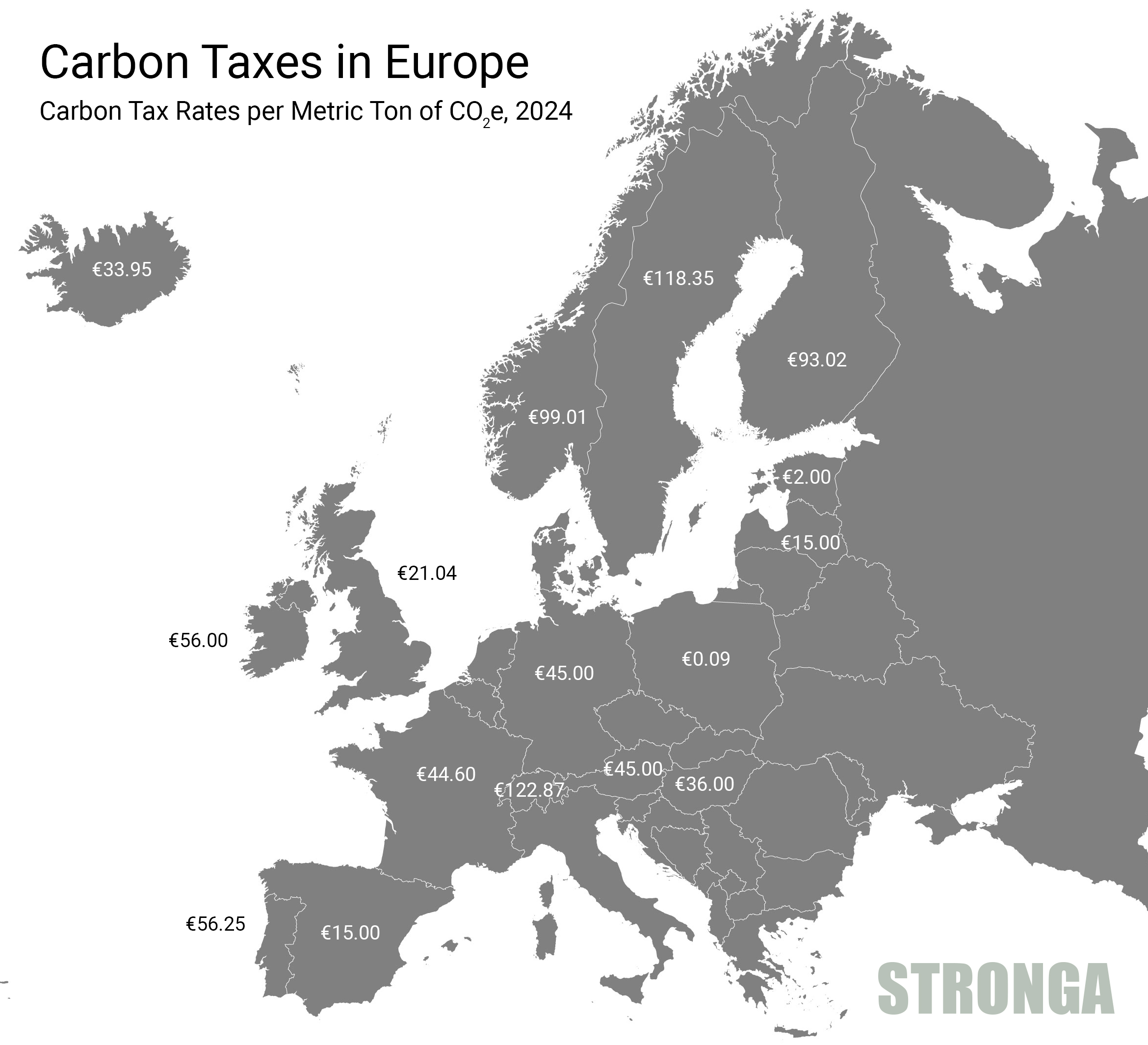
Carbon Tax Rates per Metric Ton of CO₂e across Europe, 2024
Usage of Dry SRF in Cement Production
Solid Recovered Fuel (SRF) is a refined, high-calorific fuel manufactured from non-hazardous waste streams such as commercial, industrial, and municipal solid waste. When properly conditioned, SRF provides a valuable alternative to fossil fuels in cement kilns, delivering:
- Lower CO₂ emissions
- Reduced fossil fuel use
- Circular-economy benefits
- Lower carbon tax exposure
- Diverted landfill waste and costs
- A new revenue stream for waste processors
Cement kilns operate at extremely high temperatures during clinker formation. Consistently dry SRF supports efficient combustion, stable flame profile, and predictable heat release. Click here to learn about an SRF drying project at a cement plant in Turkey.
Stronga FlowDrya offers an effective solution for drying SRF where consistent drying ensures “out-of-profile” penalties are not incurred, and, drying SRF to below 20%, there is real profit potential for the producer.
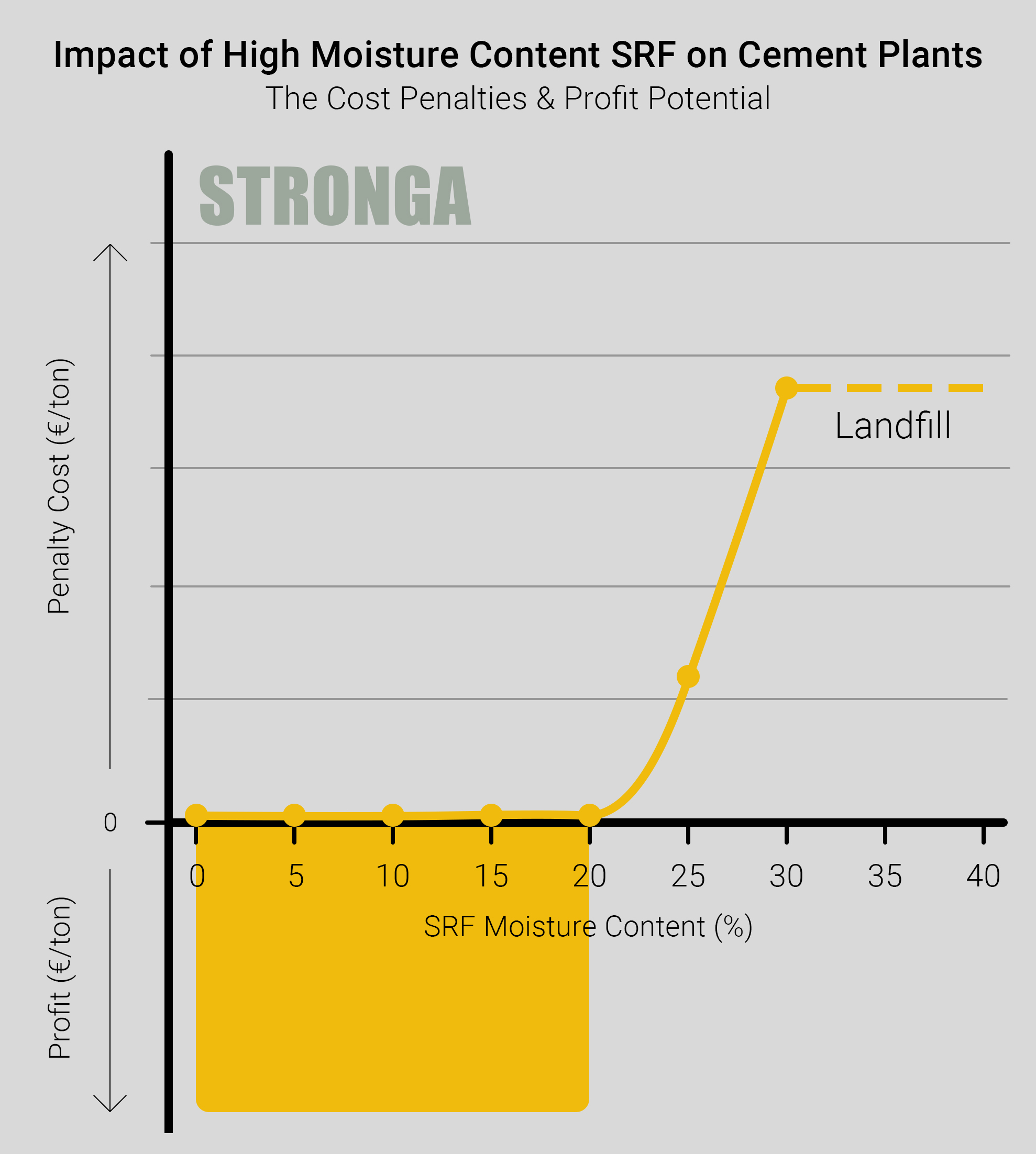
Impact of High Moisture Content SRF on Cement Plants – The Cost Penalties & Profit Potential
Note – Figures have been omitted from the graph because they vary on an individual market/cement plant basis. Whilst cost penalties can be substantial at certain high moisture contents, there is a positive situation for sub-20% moisture SRF where businesses can actually be paid for the material. Potential buyers include cement and lime producers, waste to energy plants and large industrial heat users such as brickworks, paper mills and so on.
Why Does Wet SRF Cause Problems in Cement Kilns?
SRF with high moisture content poses significant challenges and inefficiencies in cement kiln operations and waste to energy plants, exacerbated by seasonality and climatic conditions, where the moisture content of SRF increases during wet weather.
The key issue lies in the calorific value (the amount of energy released during combustion). Moisture in the SRF absorbs heat during evaporation, which reduces the net energy available for the kiln process; this causes significant thermal inefficiencies. Stronga’s SRF conditioning and drying solutions produce consistently dry SRF, reducing the moisture content down to below 20%. The issues of wet SRF in cement production are detailed below:
1. Lower Energy Value: As moisture content of SRF increases, more of the kiln’s heat energy is diverted to evaporate water in the SRF, rather than to raise the temperature necessary for clinker formation. This decreases cement production and kiln output capacity. Higher moisture contents of SRF, over 20%, also leads to extensive waste heat loss (steam) via the flue.
2. Flame Instability: Kilns require a stable, high-temperature flame to maintain process consistency. Inconsistent moisture fuel leads to incomplete combustion and fluctuating temperatures. This leads to poor heat distribution in the burning zone.
3. Operational Instability Risks: Excess moisture can lead to higher emissions of unburned hydrocarbons, higher particulate matter release, VOCs and physical damage to kiln components due to thermal stresses.
4. Increased Fuel Consumption: To compensate for the lost energy in evaporating moisture, more fuel must be burnt, negating the economic and environmental benefits of using SRF as an alternative fuel, instead of fossil fuels.
The operational difference between a conditioned, stable <20% moisture SRF and a higher, variable moisture content SRF is beyond comparison.
Learn more about FlowDrya for drying SRF →
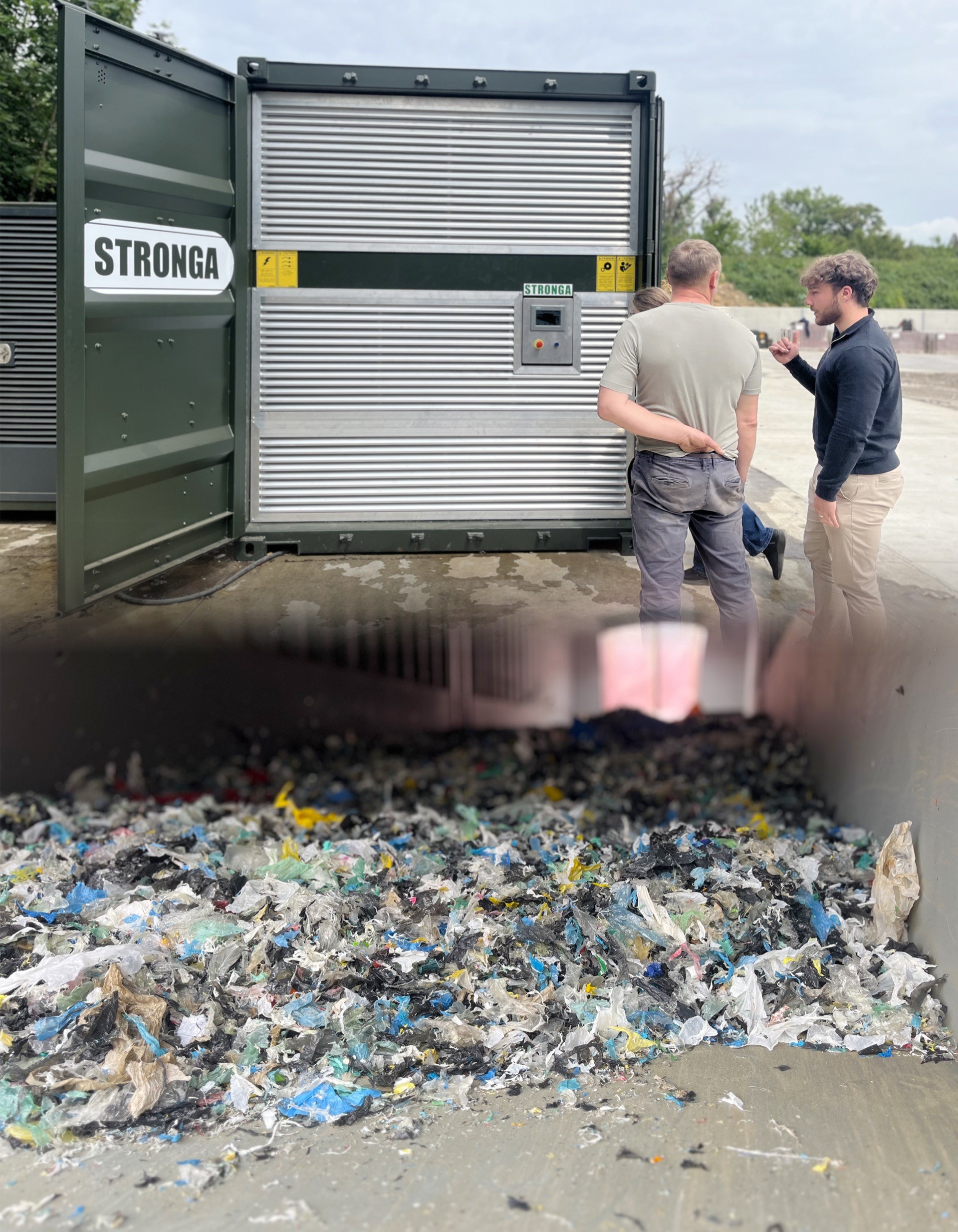
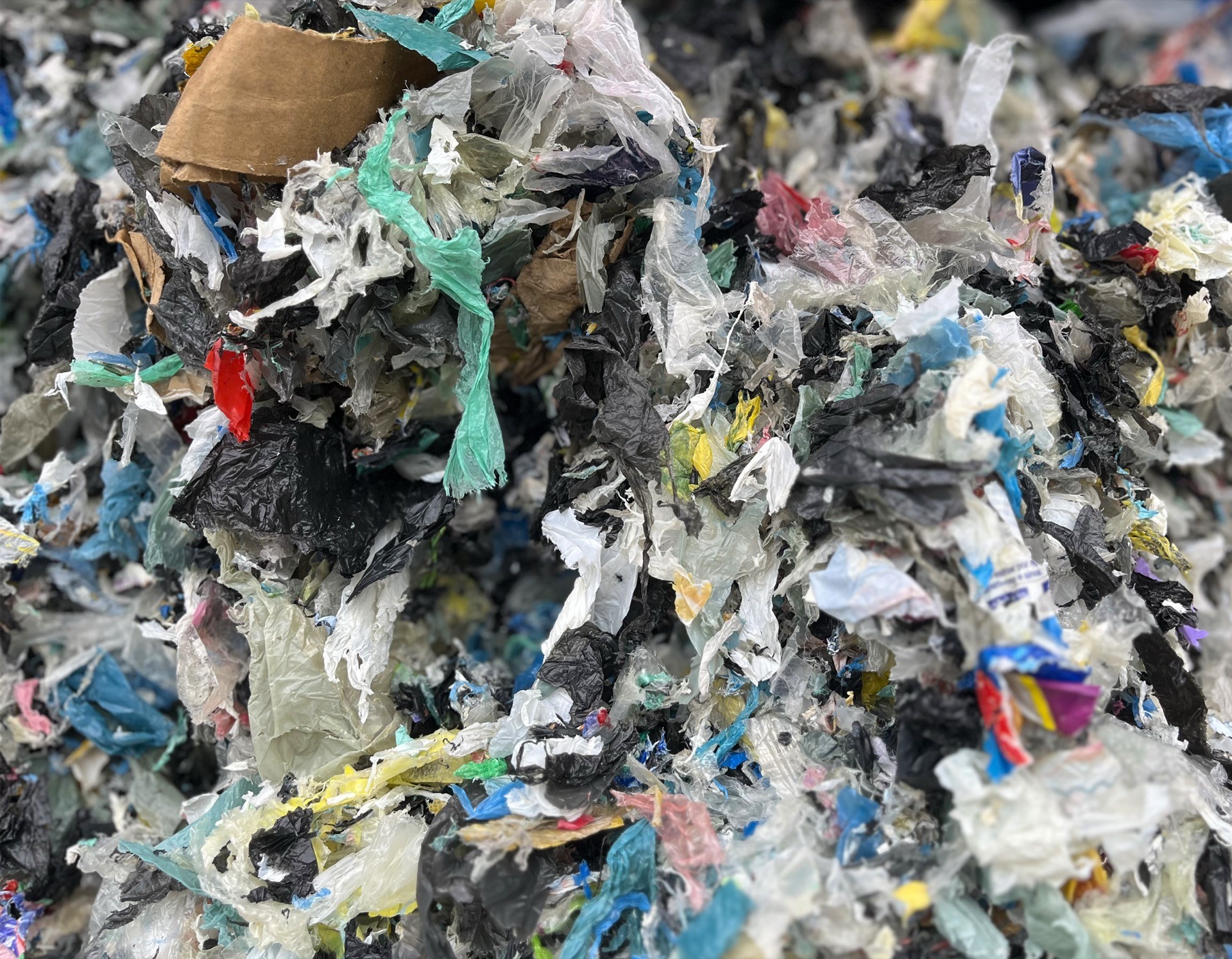
Solid Recovered Fuel – Alternative fuel material used in cement kilns
FlowDrya Increases the Calorific Value of SRF
FlowDrya equipment is designed to reduce SRF moisture from 40% or more down to consistently below 20% across the entire material bed. FlowDrya’s deep-drying-bed design and PulseWave™ agitation deliver:
- Even drying results across all particle sizes
- High throughput and high output from existing kiln capacity
- Stable, predictable alternative fuel characteristics
- Moisture reliability that meets stringent stack emission standards and avoids penalties
- Increased calorific value and fuel performance
FlowDrya enables recycling cement producers to unlock higher profit margins while improving overall compliance.
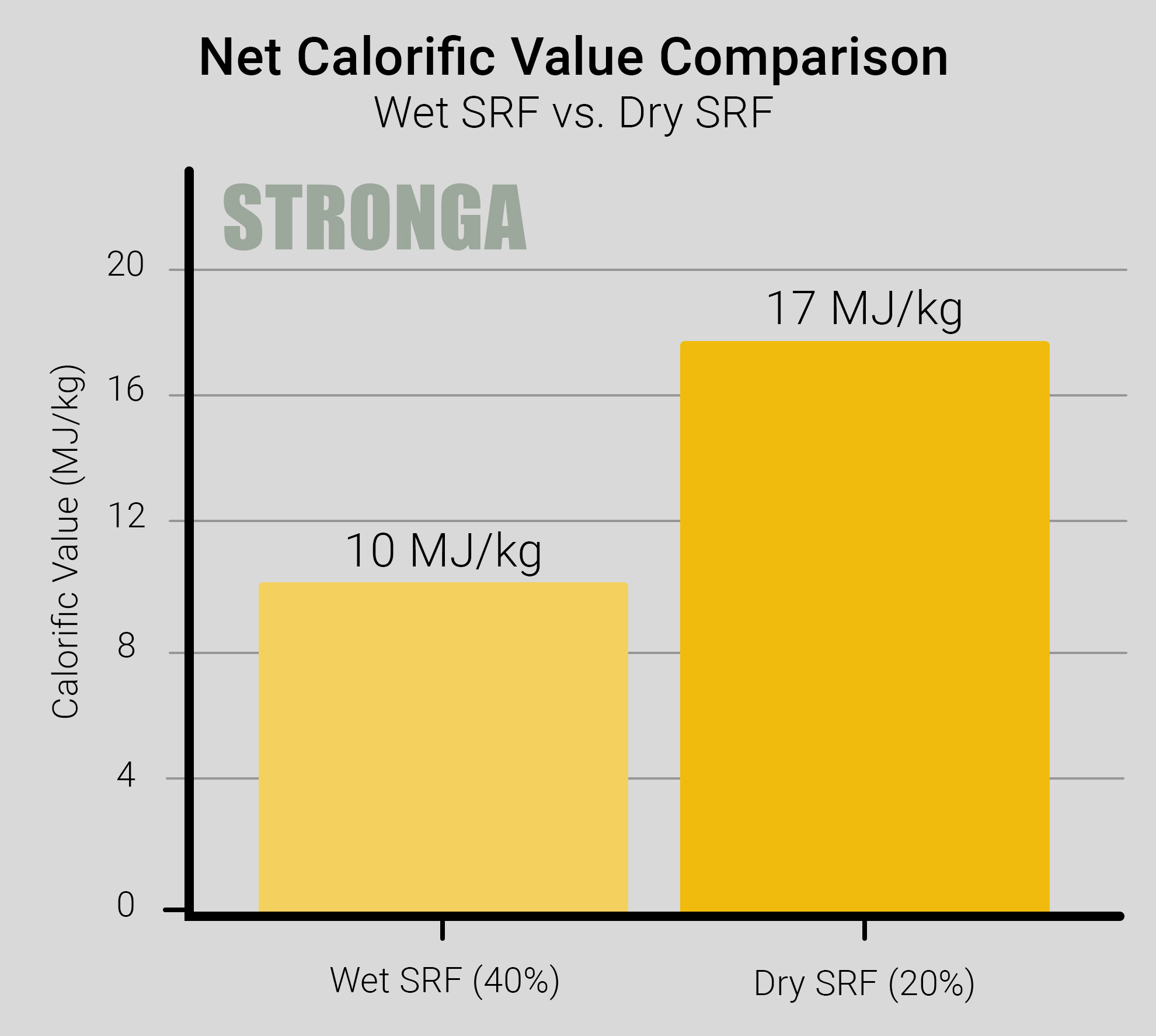
Dry SRF Delivers Significantly More Useable Energy Per Kilogram of Fuel
Net Calorific Value Comparison – Wet SRF (40%) at 10 MJ/kg vs. Dry SRF (20%) at 17 MJ/kg
SRF Drying Using Residual Heat
For every 4GJ of thermal energy required for 1 tonne of cement produced, as much as 50% of this energy is lost as waste heat. FlowDrya is able to utilise residual heat from the cement production process to dry SRF, creating a circular, on-site operation. As a by-product of cement production, this heat has a nominal cost – making the investment in FlowDrya equipment even more attractive for cement producers.
The last 5 years, in particular, have seen high inflation in energy costs. Directing available residual heat to the SRF FlowDrya for the drying process helps combat this rise in energy cost by taking control of the raw material, replacing increasingly expensive gas with cheaper, readily available SRF.
FlowDrya drying SRF with PulseWave™ agitation
SRF Drying in Action
FlowDrya’s deep-drying-bed process with PulseWave™ agitation delivers high throughput of a consistently dry SRF material. Watch FlowDrya in action, drying SRF, in the video below.
SRF Quality is Dependent on Moisture Reduction
Wet SRF is unsuitable for direct use in cement kilns; it reduces fuel efficiency, destabilises combustion and increases emissions. FlowDrya forms part of the integral conditioning process where wet SRF becomes a viable alternative fuel, in cement manufacturing. Maximise the financial and environmental benefits of alternative fuels; get in touch with Stronga today to tailor your SRF FlowDrya to your individual drying requirements.