Plastic Waste Pollution
140,000,000 Tons of Plastic – Every Year
Plastic packaging is one of the biggest contributors to environmental degradation and wildlife habitat destruction in the 21st century. Nearly 50% of all plastic produced is single-use, meaning it is discarded almost immediately after consumption.
If consumption patterns remain unchanged, there could be more plastic than fish in our oceans by 2050. A shocking truth.
Mexico faces one of Latin America’s most significant plastic waste challenges. Rising imports and increasing domestic consumption result in 70kg of plastic waste per person annually, yet only a small share is recycled. Limited sorting and drying capabilities mean most materials end up in landfill or the local environment.
To address this issue, Stronga collaborated with Enval on a ground-breaking project near Mexico City designed to recover valuable oil and gas from everyday plastic packaging waste. Learn more below.
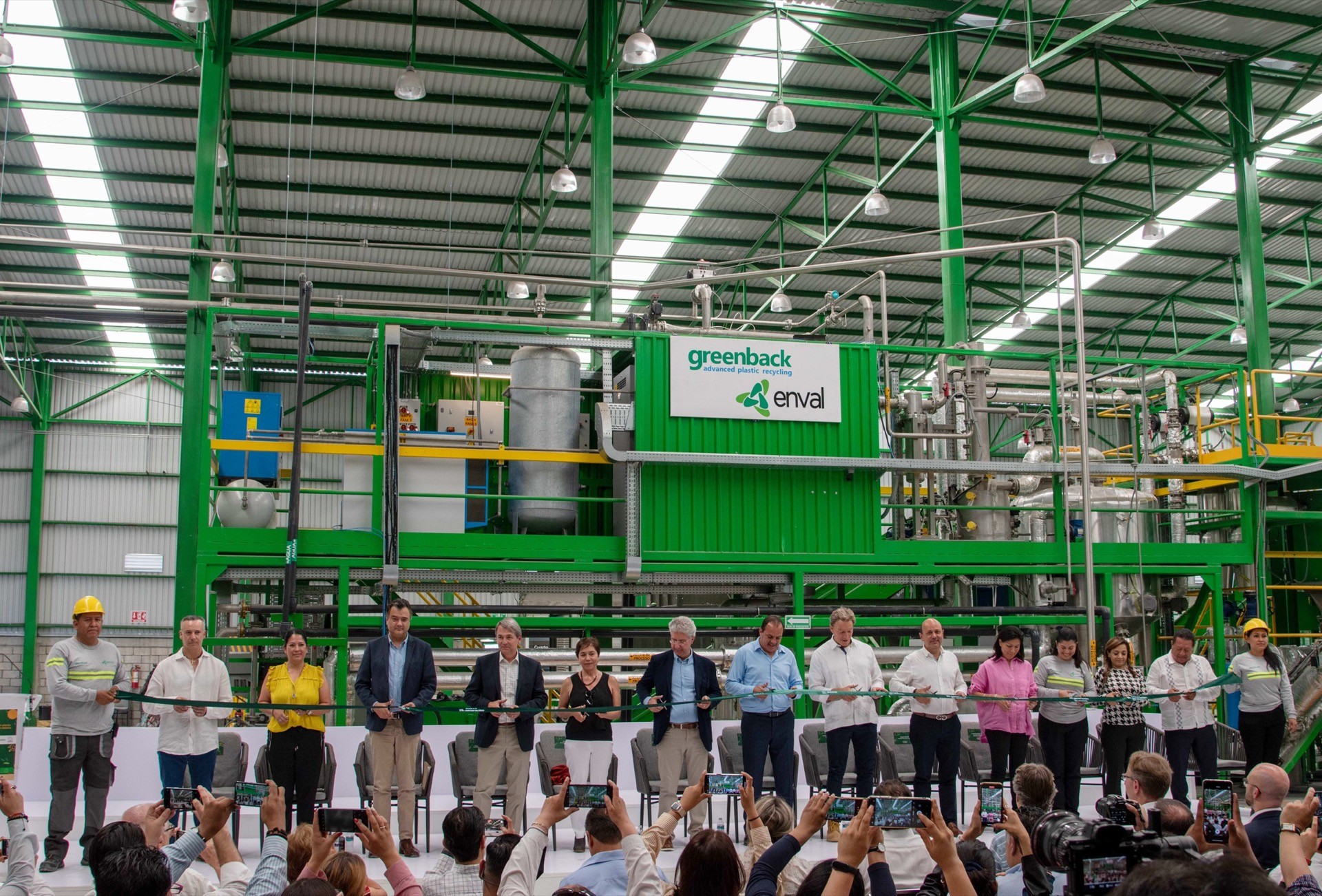
Greenback Recycling Technologies Ltd. recycling plant using Enval and Stronga equipment
Reducing Plastic Waste in Mexico Through Plastic Pyrolysis
Mexico has one of the lowest recycling rates globally despite receiving an extremely high volume of imported waste. Enval’s microwave-induced pyrolysis system, combined with Stronga’s continuous plastic waste flow dryer, enables the recovery of oil and gas from up to 2,000 tonnes of plastic waste per year.
The key to efficient pyrolysis is drying. Moisture must be removed to stabilise the feedstock, maximise pyrolysis oil yield, and protect the reactor from performance issues. This is where FlowDrya provides essential value.
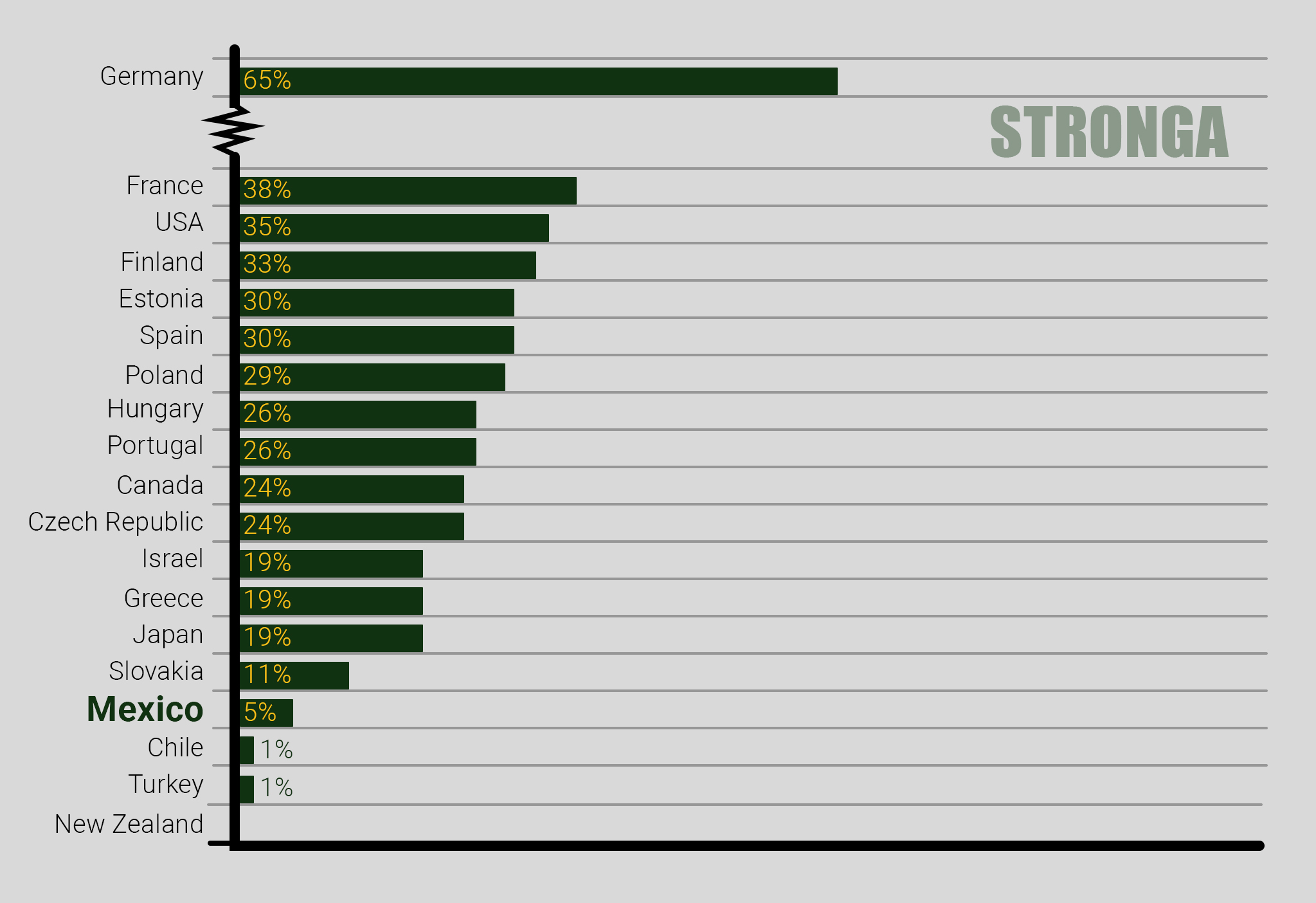
Global Recycling Rates by Country
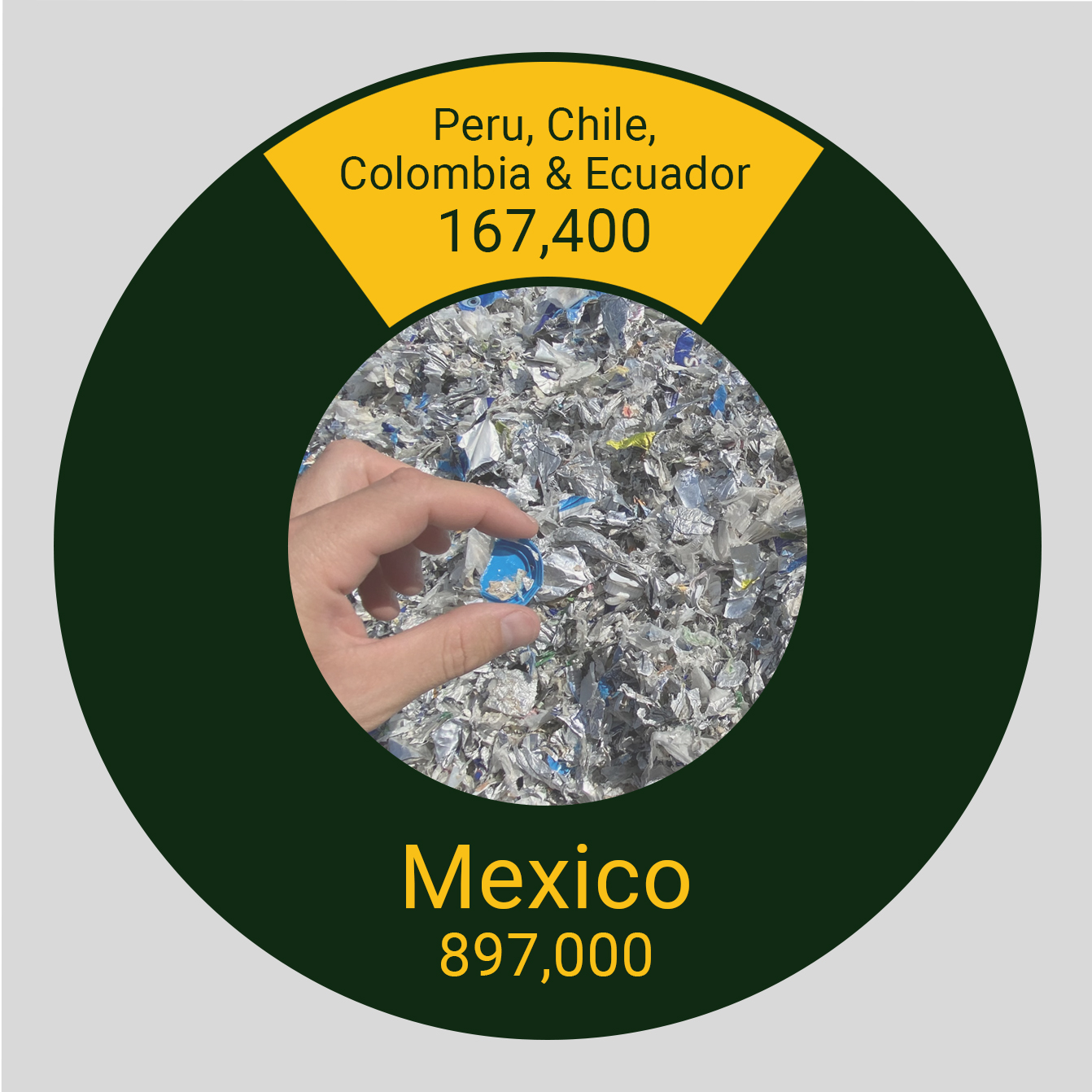
Mexico’s plastic importations compared to neighbouring countries in Latin America (2012-2022)
Plastic Waste Is Converted into Oil
The ground-breaking recycling facility in Mexico City transforms problematic packaging waste into high-value pyrolysis oil and gas, reintroducing these resources into the circular economy as feedstock for new plastics or as clean fuel. Problematic plastic waste becomes a valuable raw material, supporting both environmental sustainability and resource efficiency.
Discover the recycling process:
| Step | Process Stage | Description | Key Benefits |
|---|---|---|---|
| 1 | Shredding & Material Preparation | Upon arrival at the plant, incoming plastic waste is shredded to create a uniform, homogeneous material. | Ensures consistent material size, smooth handling, and stable downstream processing. |
| 2 | Drying With the Stronga FlowDrya | Shredded plastic is conveyed onto the Stronga FlowDrya's continuous-flow drying bed, where moisture is reduced to 5% target dry content. The dryer is essential to the success of the operation. | Prevents moisture from reducing pyrolysis efficiency; increases oil and gas yield; stabilises feedstock performance. |
| 3 | Feedstock Analysis & Pyrolysis Preparation | The material undergoes analysis before the chemical-reactive pyrolysis stage. | Guarantees optimal feedstock quality and maximises recovery of oil and gas. |
| 4 | Energy Recovery & System Efficiency | Pyrolysis gas is used as fuel for on-site electrical generators and other equipment. Residual heat from the facility's GenSet is recaptured and fed back into the FlowDrya. | Significantly improves energy efficiency and reduces operational costs. |
| 5 | Production of Pyrolysis Oil | The recovered pyrolysis oil is used as feedstock for producing new recycled plastics, closing the material loop. | Reduces dependence on virgin plastics; supports a closed-loop circular economy; converts waste into valuable raw material. |
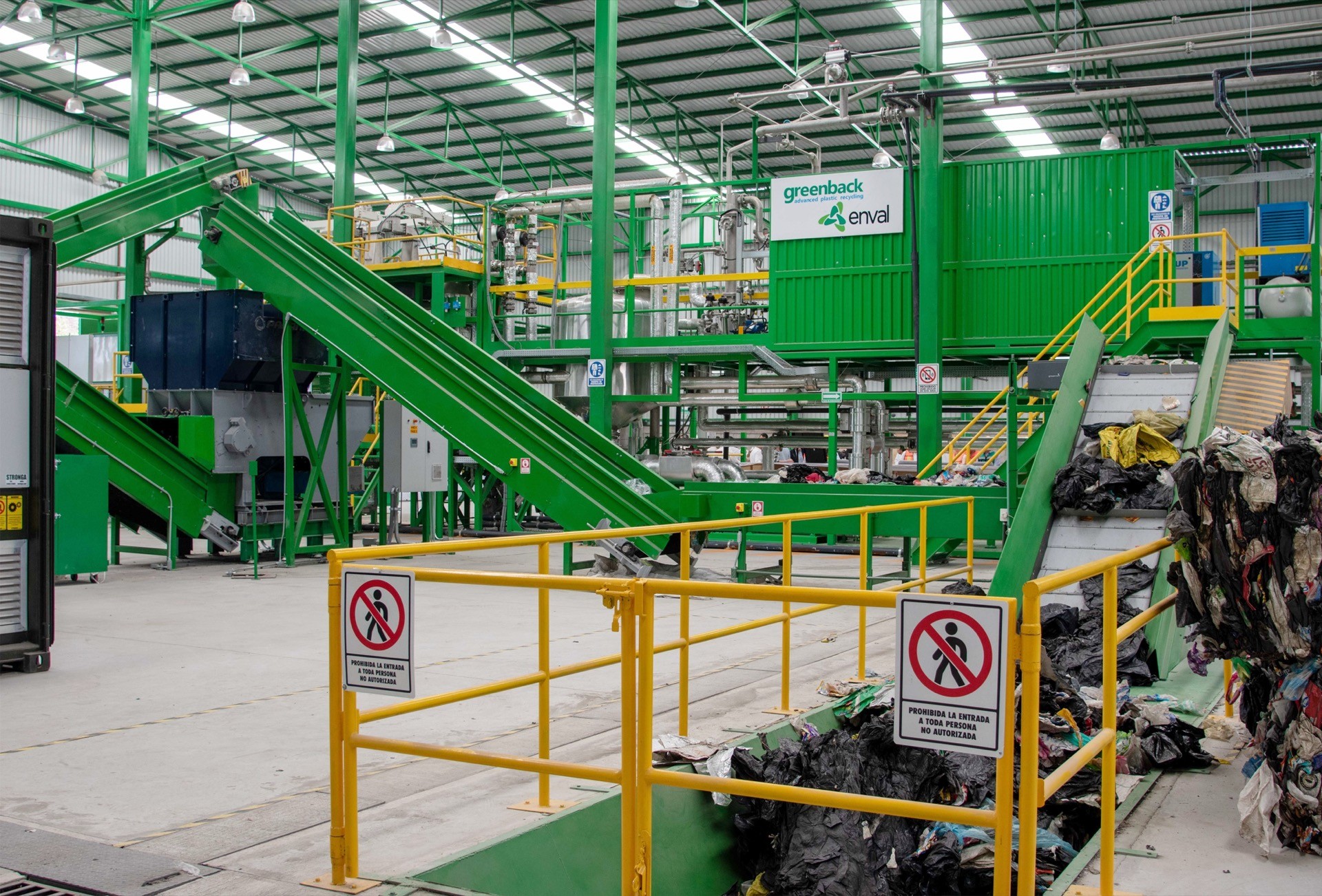
FlowDrya: High-Performance Drying for Packaging Waste
FlowDrya: High-Performance Drying for Packaging Waste
A key benefit of FlowDrya equipment is that, once plastic waste has been dried, it can be retained in the dryer which is able to act as a dry feedstock storage and feed unit for the pyrolysis reactor.
On demand, dry feedstock is automatically conveyed to the next critical step in the process - the chemical reactor. FlowDrya utilises residual gas engine heat from the on-site GenSet to operate, ensuring efficiency; no extra energy is required for the packaging waste drying process.
FlowDrya Maintains Low Energy Consumption Aims
- Stronga’s FlowDrya system enabled this modern recycling plant to meet its goals of reducing plastic waste, preventing landfill disposal, and operating with exceptionally low energy consumption. By utilising residual heat from the on-site GenSet, the flow dryer supports a highly efficient recycling process with minimal external energy demand.
- FlowDrya performs effectively in both batch and continuous-flow modes, allowing operators to adjust drying settings via the DryStation™ HMI to achieve precise moisture targets.
- A major advantage of Stronga’s continuous drying technology is its ‘stop–start’ capability. Between floor strokes, the system automatically enters a low-energy ‘sleep’ state. This reduces overall wear, extends the equipment’s lifetime, and significantly lowers maintenance costs and downtime.
- Additionally, the hydraulic PulseWave™ agitation system ensures the shredded plastic is thoroughly mixed and tumbled on the drying bed. This guarantees a uniformly dried output below 5% moisture content, preventing excess moisture from entering the microwave-induced pyrolysis reactor and reducing potential operational complications.
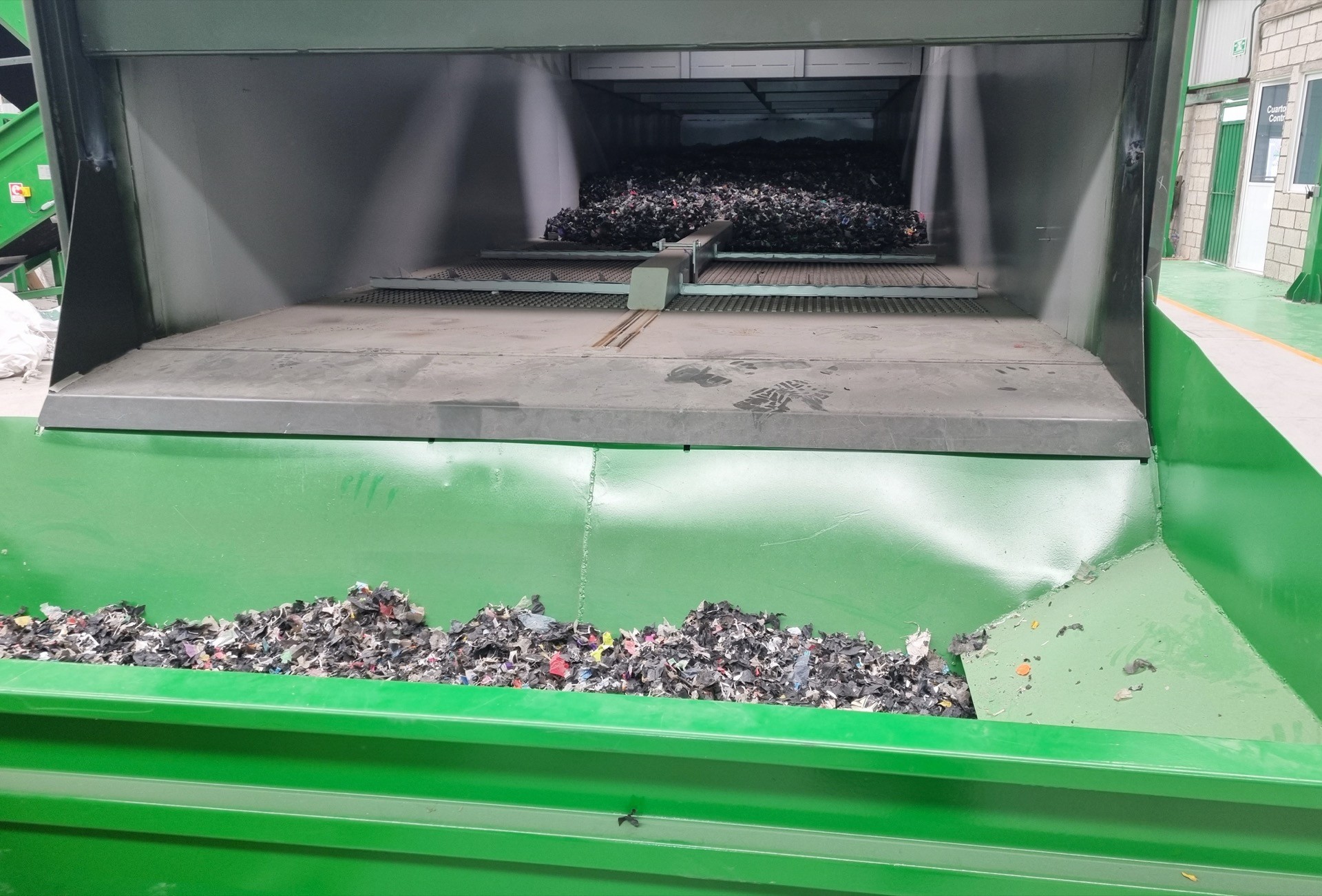
Plastic packaging waste on the FlowDrya drying bed
Why Drying Is Critical for Pyrolytic Oil Recovery
The flow drying process is a vital component in ensuring the success of the microwave pyrolysis recycling process. The Stronga team scaled a flow dryer optimised for specific project requirements, ensuring the drying system suited the properties of the plastic packaging and residual energy available. We are pleased to confirm all aims were successfully accomplished, including the plastic moisture reduction down to below 5%.
As experts in plastic waste drying solutions, Stronga ensure the highest plastic moisture control and best drying outcomes are achieved, which positively influence the recycling process while enhancing plastic separation possibilities. Low moisture enables:
- Higher oil recovery
- Stable reaction conditions
- Lower energy consumption
- Reduced contaminant risks inside the reactor
- High-yield pyrolysis performance
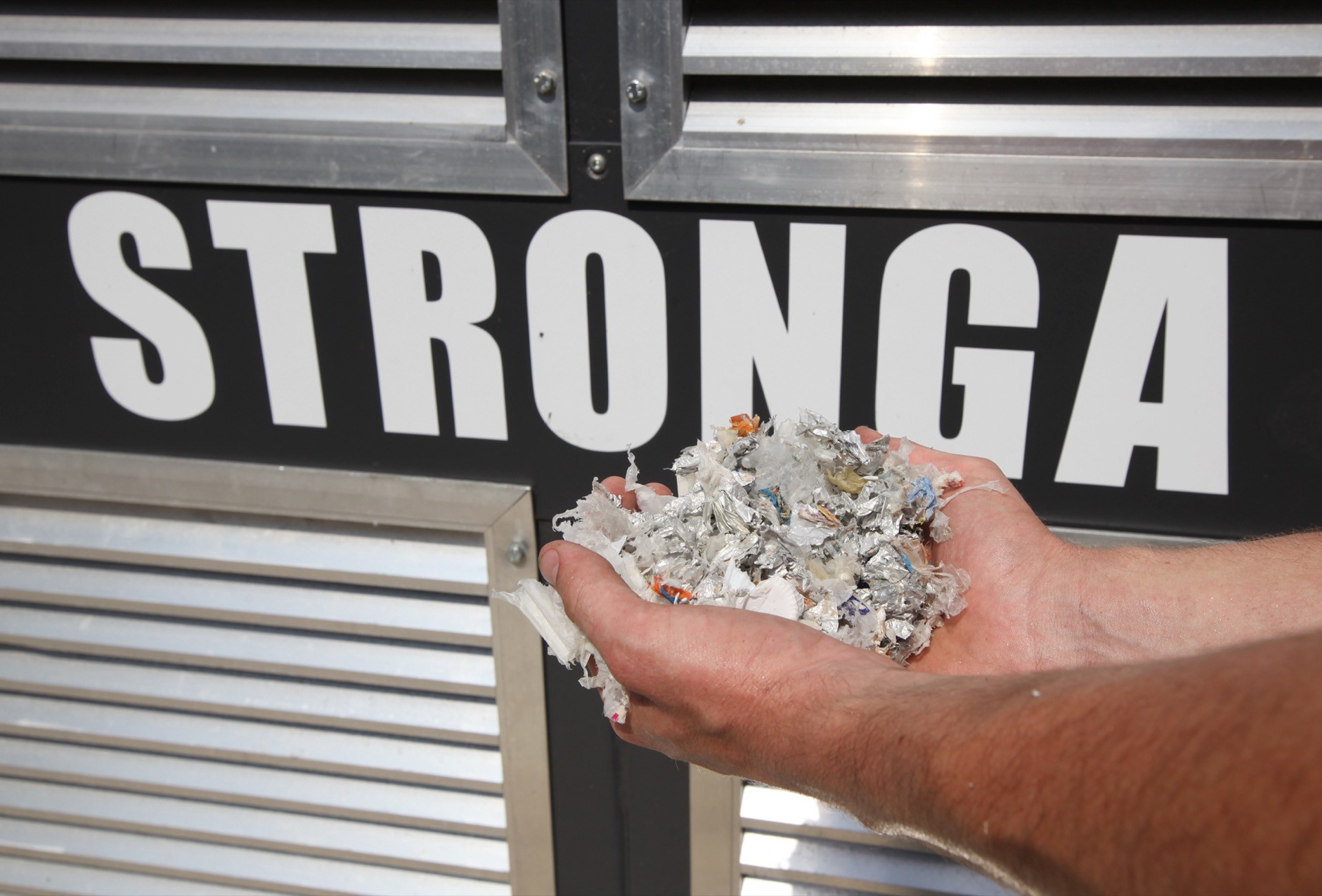
Shredded plastic packaging waste to be dried
Trailblazing Plastic Recycling Technology
The trailblazing plastic recycling project in Mexico has had tremendously positive effects on local recycling rates, reducing environmental impacts while creating pyrolytic oil and gas. The achieved aims include:
- Reducing the amount of plastic waste in oceans, rivers and landfill.
- Reducing the levels of wildlife habitat destruction caused by packaging waste.
- Reducing demand for virgin plastic production and therefore reducing crude oil and fossil fuel consumption.
- Reducing the amount of energy required for the production of plastics.
This optimistic project aligned with Stronga’s values and we were thrilled to play an essential role in facilitating the positive outcomes through supplying the shredded plastic drying technology.
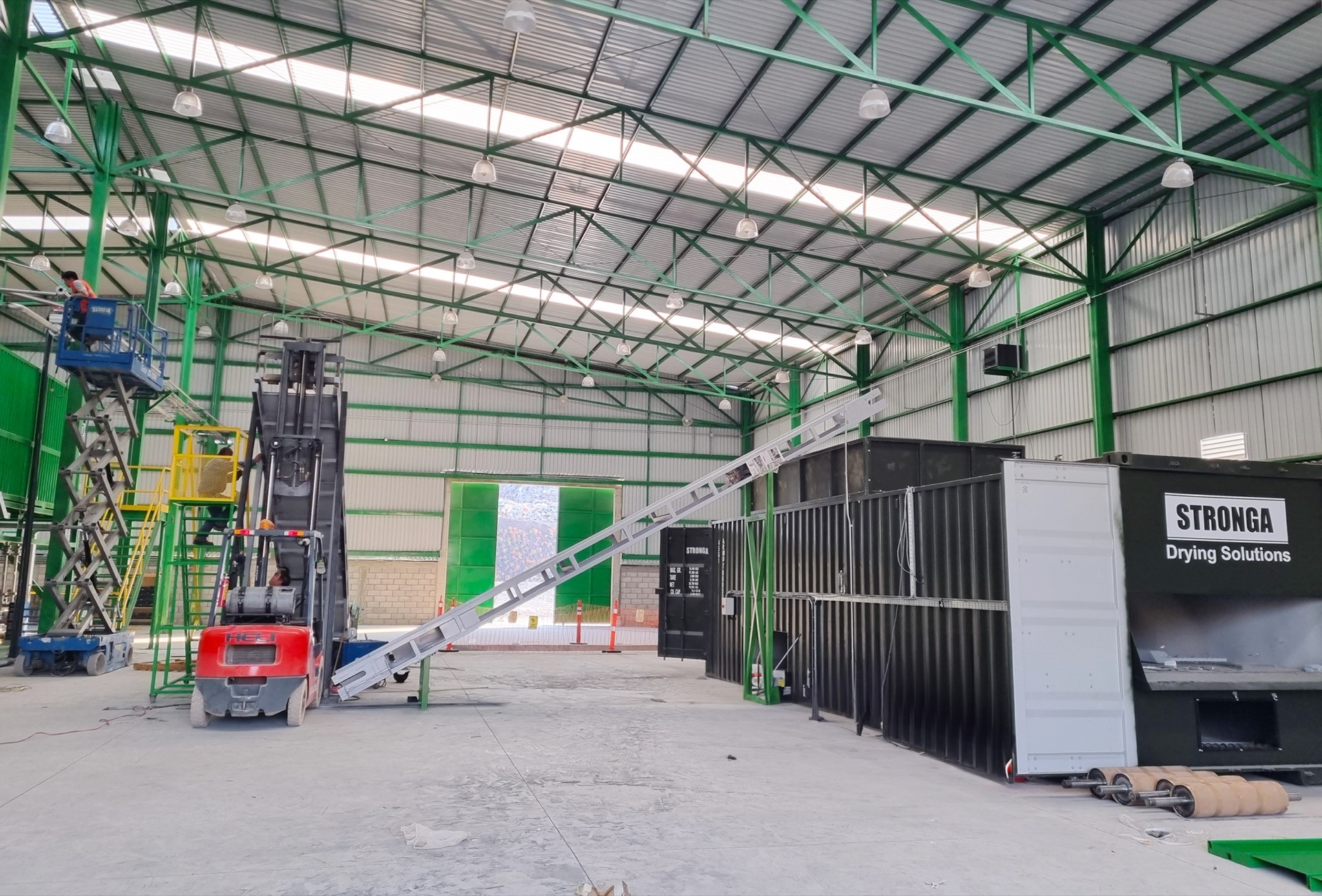
Stronga FlowDrya equipment on the packaging waste recycling site in Mexico City
What Are Plastic Credits Incentives?
Similar to ‘carbon credits’, plastic credit incentives reward those actively attempting to reduce their plastic footprint through producing recyclable plastic and actively recycling waste. Credits are measured in relation to weight of plastic recycled; they can be sold for additional income as further incentive for plants like this one in Mexico.
FlowDrya allows for low-moisture plastic processing and optimised output from the microwave induced pyrolysis reactor, enhancing plastic re-production opportunities. This allows for increased financial returns from plastic credit incentives.
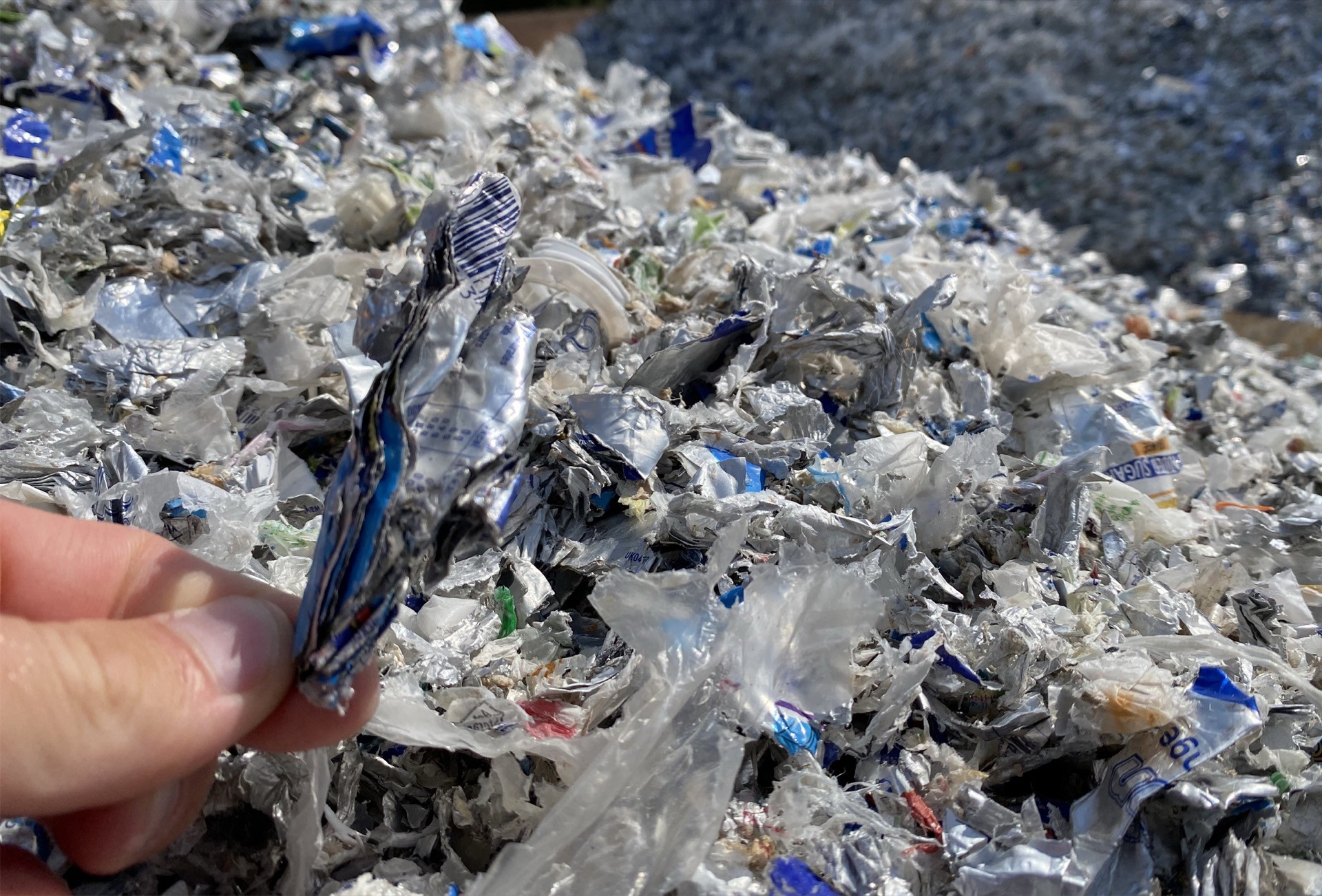
World-First Plastic-to-Oil Recycling Technology
World-First Plastic-to-Oil Recycling Technology
The microwave-induced pyrolysis solution offered by Enval is a ‘world-first’ for waste-to-energy, plastic recycling. Moisture removal allowed them to increase the overall sustainability of waste recycled products. FlowDrya encourages reduced raw material use, increased SRF extraction rates, lower transport emissions and prolonged on-site equipment operations.