Drying Solid Recovered Fuel (SRF)
Optimising alternative fuels through drying - increasing calorific & financial value
Helping Waste Recyclers & Cement Plants Optimise Value from SRF
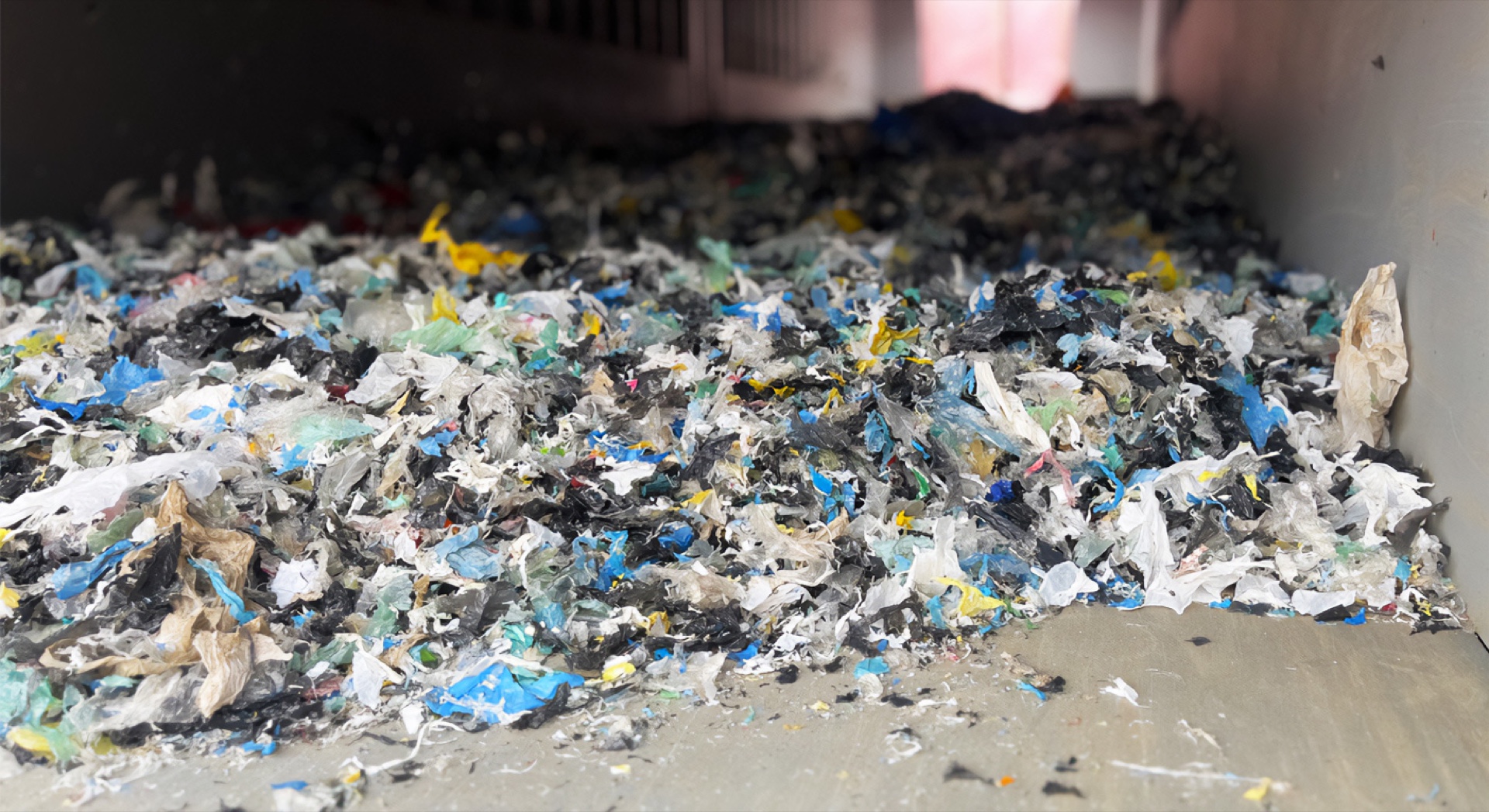
FlowDrya equipment from Stronga is the market’s most effective, efficient, well-proven solution for conditioning Solid Recovered Fuel (SRF), increasing performance, calorific value and overall market value. Discover below how FlowDrya helps clients optimise value from SRF, for use as an alternative energy in cement production.
Lower CO₂. Higher Calorific Value. Greater Energy Security.
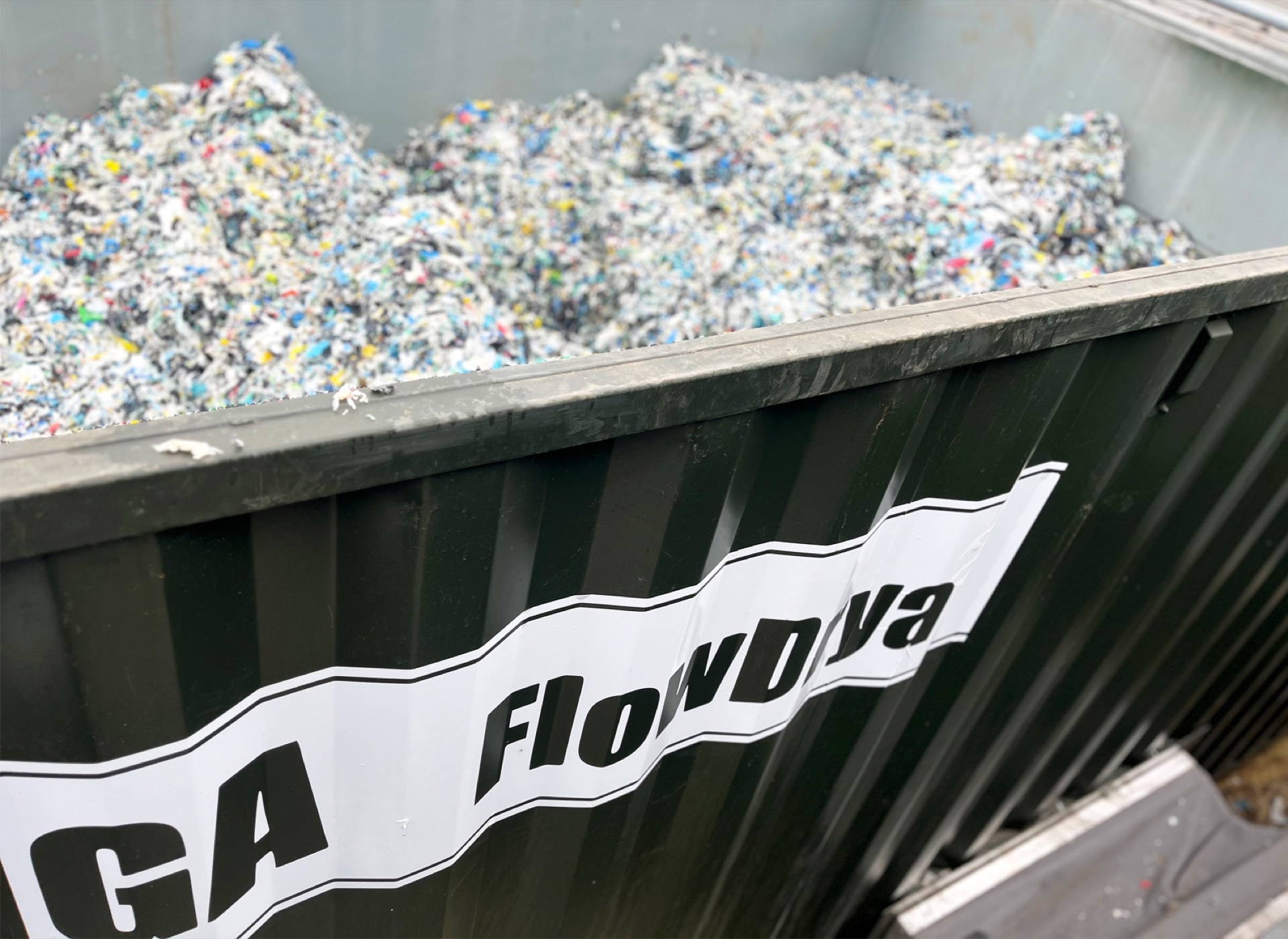
FlowDrya is robust, modular and individually configurable to your SRF production targets; whether that be 10 or 100+ tonnes per hour. Each SRF drying solution is individually scaled by the Stronga team to match your unique requirements. The list below details the overall benefits of using dry SRF, below 15% moisture content, as a high calorific alternative fuel.
- Dry SRF has a significant biogenic (biomass) fraction; this is zero rated under EU Emission Trading Scheme.
- SRF is regionally-sourced and waste-derived, stabilising and diversifying fuel supply from a local waste stream.
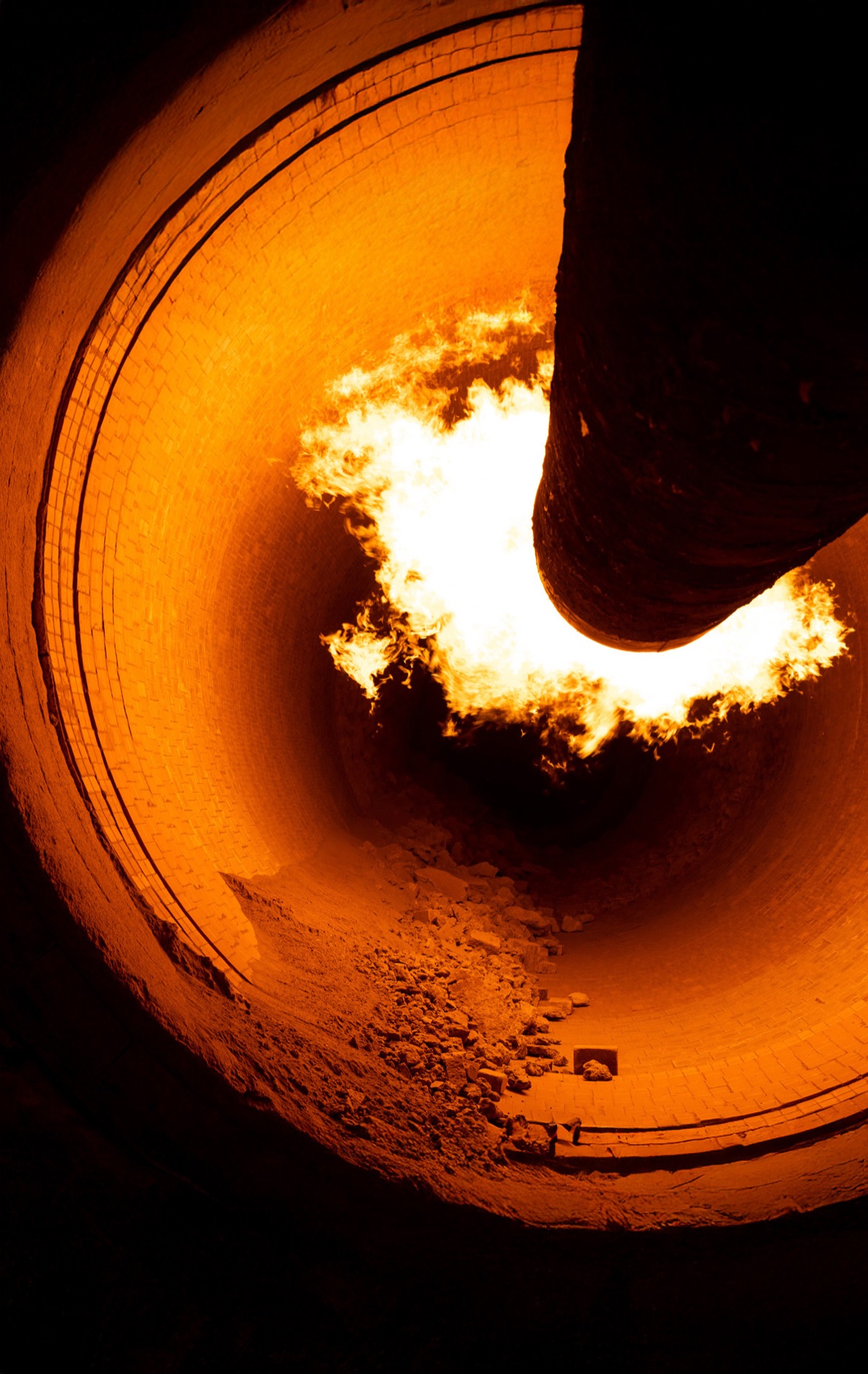
- When compared to coal and natural gas, adequately dried SRF has lower reportable fossil CO₂ emissions when used as an alternative energy in cement production.
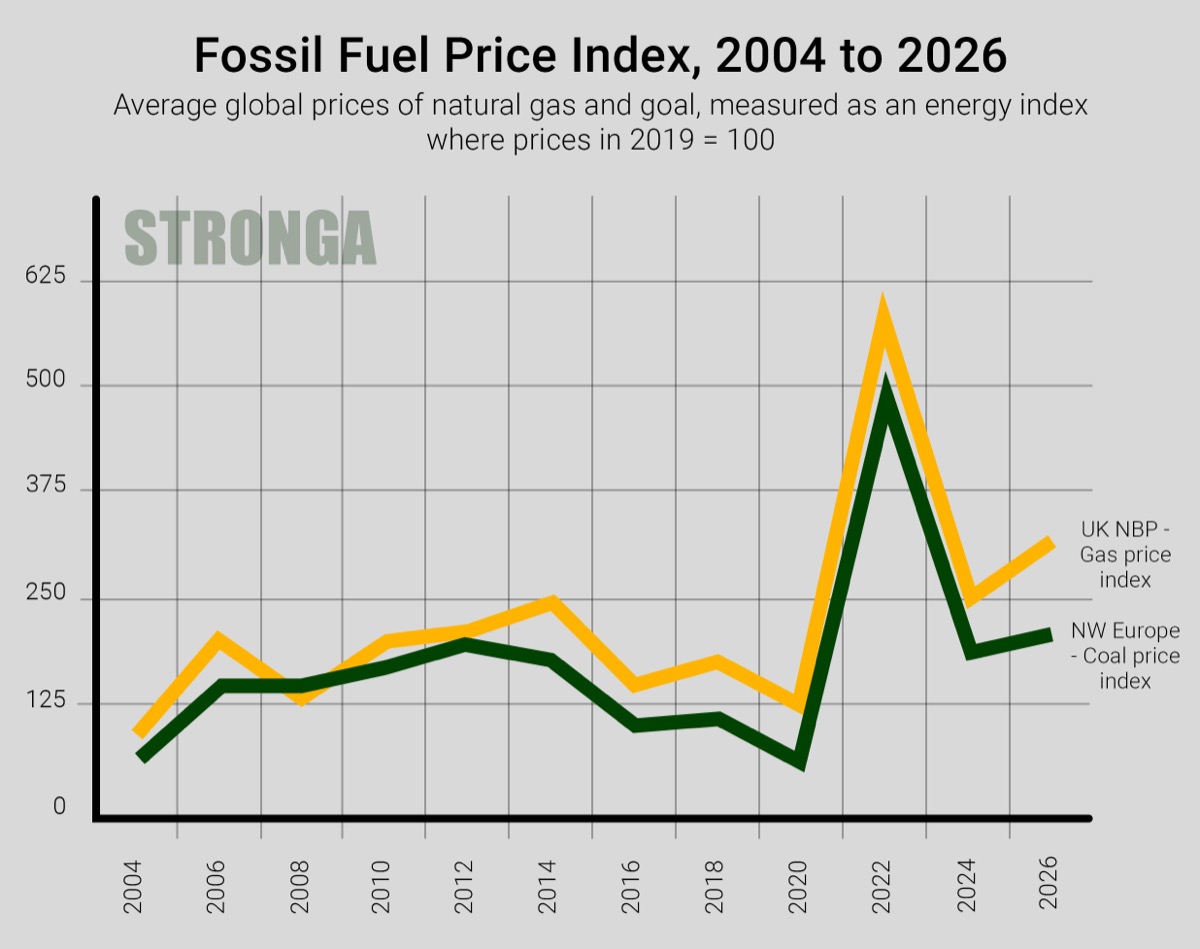
- Unlike coal and gas, which are exposed to geopolitical shocks, supply disruptions, and carbon cost escalation (see chart below), SRF is regionally sourced from stable local waste streams. This provides cement producers with a more predictable, lower-volatility energy supply and a resilient long-term cost base.
- SRF as non-recyclable residual waste is diverted from landfill; reducing landfill disposal costs and overall methane emissions.
- Dry SRF facilitates higher Thermal Substitution Rates (TSR) by replacing fossil fuel heat input in energy-intensive industries, such as cement production.
- Drying SRF reduces transport and logistical costs for waste recycling companies - increasing energy density per load by allowing you to transport energy… not moisture.
Effect of SRF moisture content on calorific value:
| Moisture Content (%) | Approx. Bulk Density (kg/m³) | Approx. Calorific Value (MJ/kg wet) |
|---|---|---|
| 35% | 140 kg/m³ | 12 – 13 |
| 25% | 130 kg/m³ | 14 – 16 |
| 15% (cement kiln requirement) | 120 kg/m³ | 18 – 20 |
| 10% (pellet requirement) | 110 kg/m³ | 19 – 22 |
How Can Waste-Derived Fuel Add Value to Your Business?
Adequately conditioned SRF is typically used in premium, energy-intensive cement and SRF pellet industries, where drying ensures compliance with ISO 21640 standards and increases marketability and profitability. With cement producers requiring SRF below 15% moisture for alternative energy use, FlowDrya enables recyclers to supply compliant dry feedstock.
SRF classes according to EN ISO 21640:
| Classification Characteristic | Unit | Class 1 | Class 2 | Class 3 | Class 4 | Class 5 |
|---|---|---|---|---|---|---|
| Net Calorific Value (mean) | MJ/kg | ≥25 | ≥20 | ≥15 | ≥10 | ≥3 |
| *Approximate Moisture Content | % | <5 | <15 | <40 | <55 | n/a |
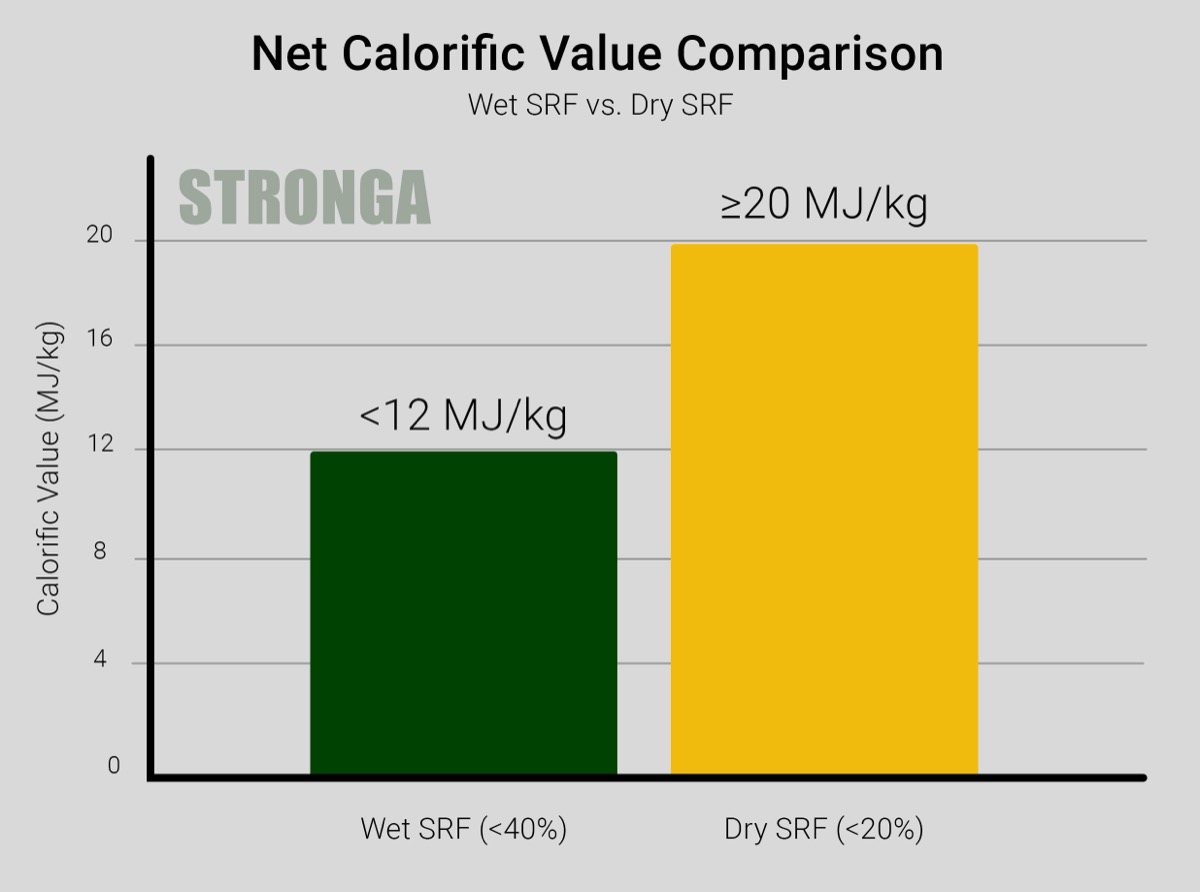
FlowDrya is the market’s leading SRF drying solution, well-proven on large, cement production facilities across the globe. Watch the video below to see how FlowDrya adds direct value to SRF used as an alternative fuel in the cement industry.
Can Dry SRF Be Used in Pellet Production?
Yes. Dry, loose-shredded SRF below 10% moisture content can be compressed into high value, dense SRF pellets for use in cement production, as well as other industrial operations. Flow drying improves the functionality, handling, density and calorific stability of SRF pellets. Pelleting 100kg/m³ of dry SRF can increase bulk density by up to 9X.
- SRF dried to less than 10% and pelleted has consistent calorific value per unit tonne.
- Dry SRF compacts easily during pelletisation, producing denser, more uniform pellets, allowing more energy per unit volume to be fed into cement kilns.
- Drying SRF to local standards ensures consistent energy content in each pellet, allowing for predictable, efficient combustion.
- Dry SRF pellets maintain mechanical strength, reducing material waste, loss and dust emissions.
- FlowDrya reduces moisture-related ‘wear and tear’ on pelleting equipment and risk of blockages in feed systems.
- Drying SRF prior to pelleting reduces energy lost to moisture evaporation during combustion.
- Dry SRF compacts faster and more consistently, allowing for higher throughput production rates per hour.
- Dry SRF pellets deliver more energy per tonne transported, allowing for fewer truckloads to transport the same energy supply.
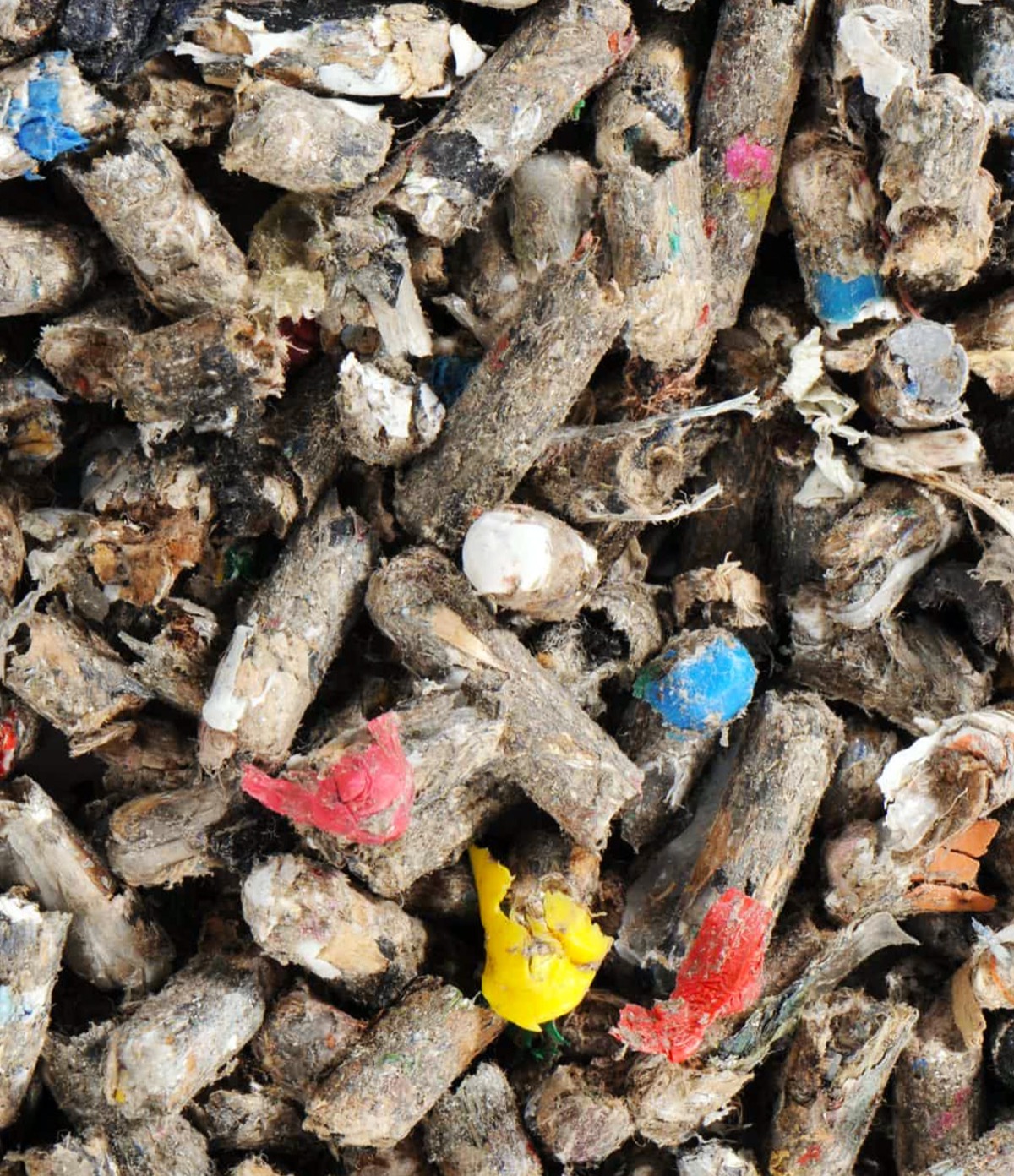
Each FlowDrya is engineered to solve the real challenges faced by SRF producers, waste managers, cement plants and waste-to-energy facilities. Discover the benefits of the market’s leading SRF drying solution.
- FlowDrya is designed to work with existing residual heat sources — for cement plants, spare heat is in abundant supply, such as waste heat air flow from clinker beds, cement kilns, pre-calciners etc.
- FlowDrya’s deep-bed-drying system delivers consistent fuel quality, transforming wet SRF (up to 40% moisture) into fuel below the 20% target demanded by cement kilns and <10% required for pellet production.
- FlowDrya delivers highest m³/hr throughput from a compact footprint, featuring a stainless-steel floor that lasts 25+ years, ensuring high-performance longevity.
- FlowDrya’s unique PulseWave™ agitation system ensures the SRF material is continuously mixed and tumbled on the deep (600-800mm) drying bed, designed specifically for SRF, ensuring every part of the load receives equal thermal contact and airflow, producing a uniform dry output that improves combustion predictability.
- With intelligent DryStation™ HMI controls, FlowDrya continuously monitors key parameters while strokes per hour, material depth and airflow can be operator-adjusted to optimise drying performance.
- FlowDrya uses 3–4X less electric power than belt dryers due to its stop/start hydraulic operation, driving down operating costs and making SRF drying even more economically viable.
- Unlike belt dryers, where dust can build-up on drums, cause reduced friction and slipping, FlowDrya requires very little cleaning and ongoing maintenance.

From >40% to <20% moisture with deep-bed drying
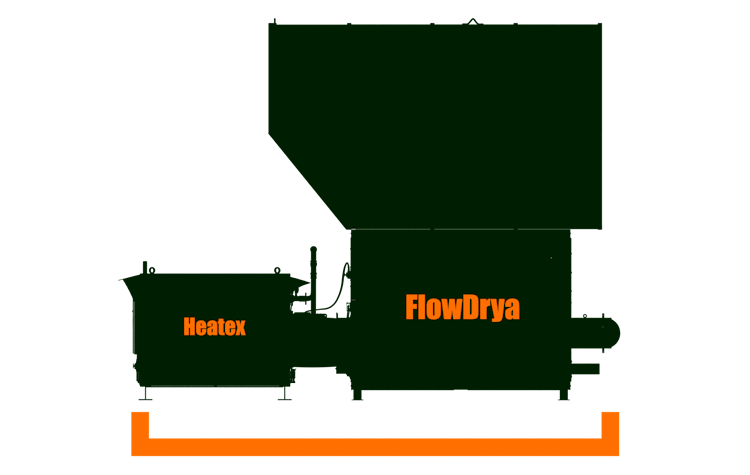
Compact footprint compared to large belt dryers

PulseWave™ agitation = uniformly dry SRF output
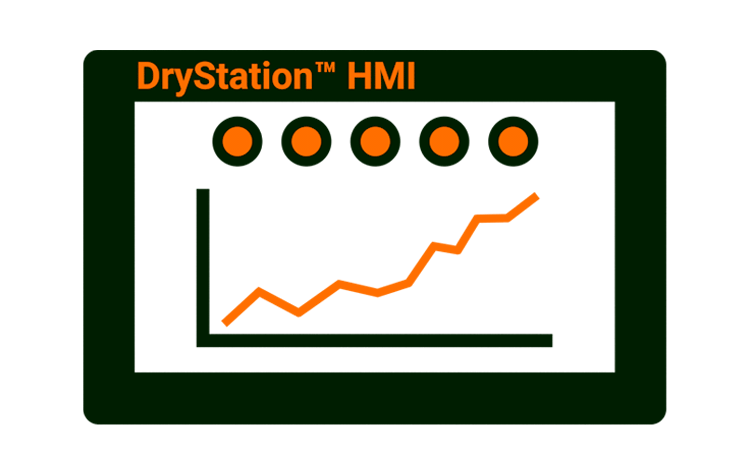
DryStation™ controls - optimising drying performance

3–4X less electric power required compared to belt dryers

Extremely low service & maintenance requirements
SRF Drying FAQs
What is SRF?
Solid Recovered Fuel (SRF) is a high-quality fuel produced from the non-recyclable fraction of municipal solid waste or industrial waste. It typically contains plastics, paper, textiles, and wood, and is processed to have controlled low moisture and high calorific value, making it suitable for energy recovery in cement kilns, power plants and more.
How is SRF produced?
SRF production involves several steps. First, waste is sorted to remove recyclable and hazardous materials. Then it is shredded and homogenised to create uniform particle size. Moisture is controlled through flow drying to meet stringent energy specifications, followed by quality control tests for calorific value, chlorine, moisture, and particle size. Finally, SRF may be baled or pelleted for transport and storage.
What is the calorific value of SRF?
The calorific value of SRF depends on its composition and moisture content.
- 40% moisture content → approx. 10–12 MJ/kg
- 35% moisture content → approx. 12–13 MJ/kg
- 25% moisture content → approx. 14–16 MJ/kg
- 15% moisture content → approx. 16–18 MJ/kg
- 10% moisture content → approx. 19–22 MJ/kg
High-quality SRF with significant plastic content can reach over 22 MJ/kg when flow dried to 10% moisture.
Why is reducing moisture content important for SRF?
Moisture content significantly affects the effective energy content (calorific value) of SRF. Water does not contribute to combustion, so high moisture reduces the calorific value per kilogram of fuel. Drying SRF increases the energy content per kilogram and per cubic meter, improves combustion efficiency, and reduces transportation costs per unit of energy.
Why is FlowDrya suited to drying SRF?
FlowDrya is designed to be resilient to light, bulky, fluffy SRF material. The SRF dryer features a unique moving PulseWave™ floor that can dry SRF 600-800mm deep, ensuring reliable moisture removal from a compact, high throughput dryer.
FlowDrya Enquiry Form
SRF drying efficiency depends on air temperature, relative humidity, input moisture content, dry output requirement and many other factors. For advice relating to your specific SRF drying requirements, please get in touch with our friendly team by filling out the enquiry form below.
Ready to discuss your SRF drying project?
Our team can help you specify the right FlowDrya system for your waste stream, throughput requirements, and target fuel specifications.