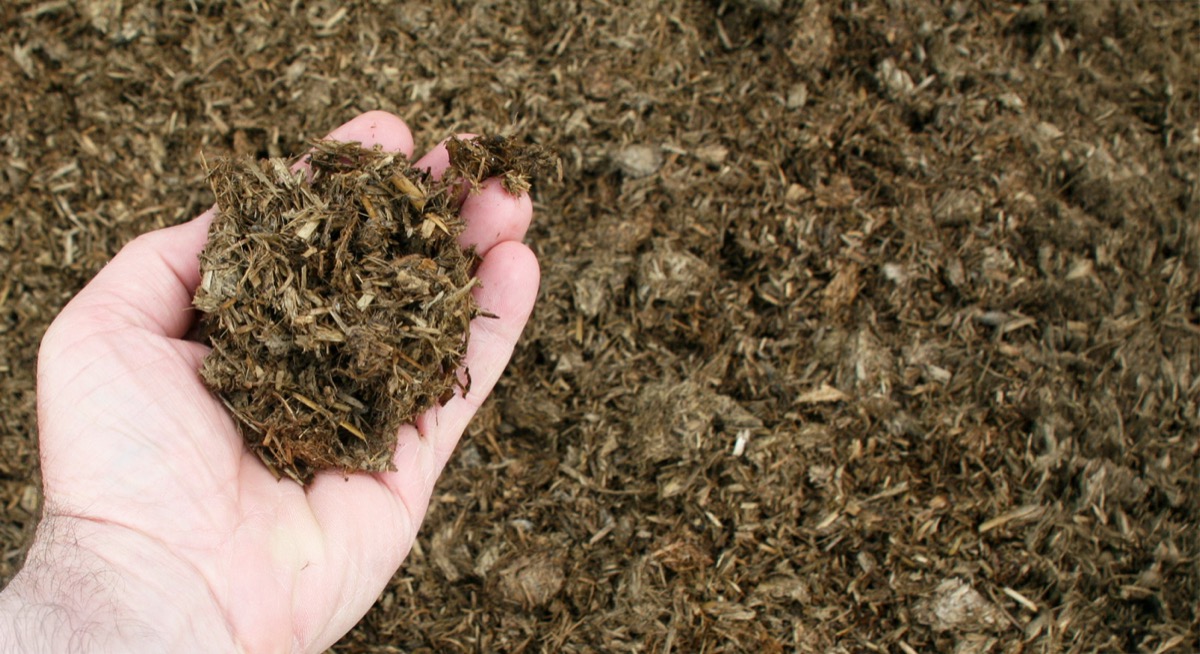
Drying Digestate Fibre
Highly effective drying solutions, adding significant value to solid digestate fibre
Drying Digestate Fibre
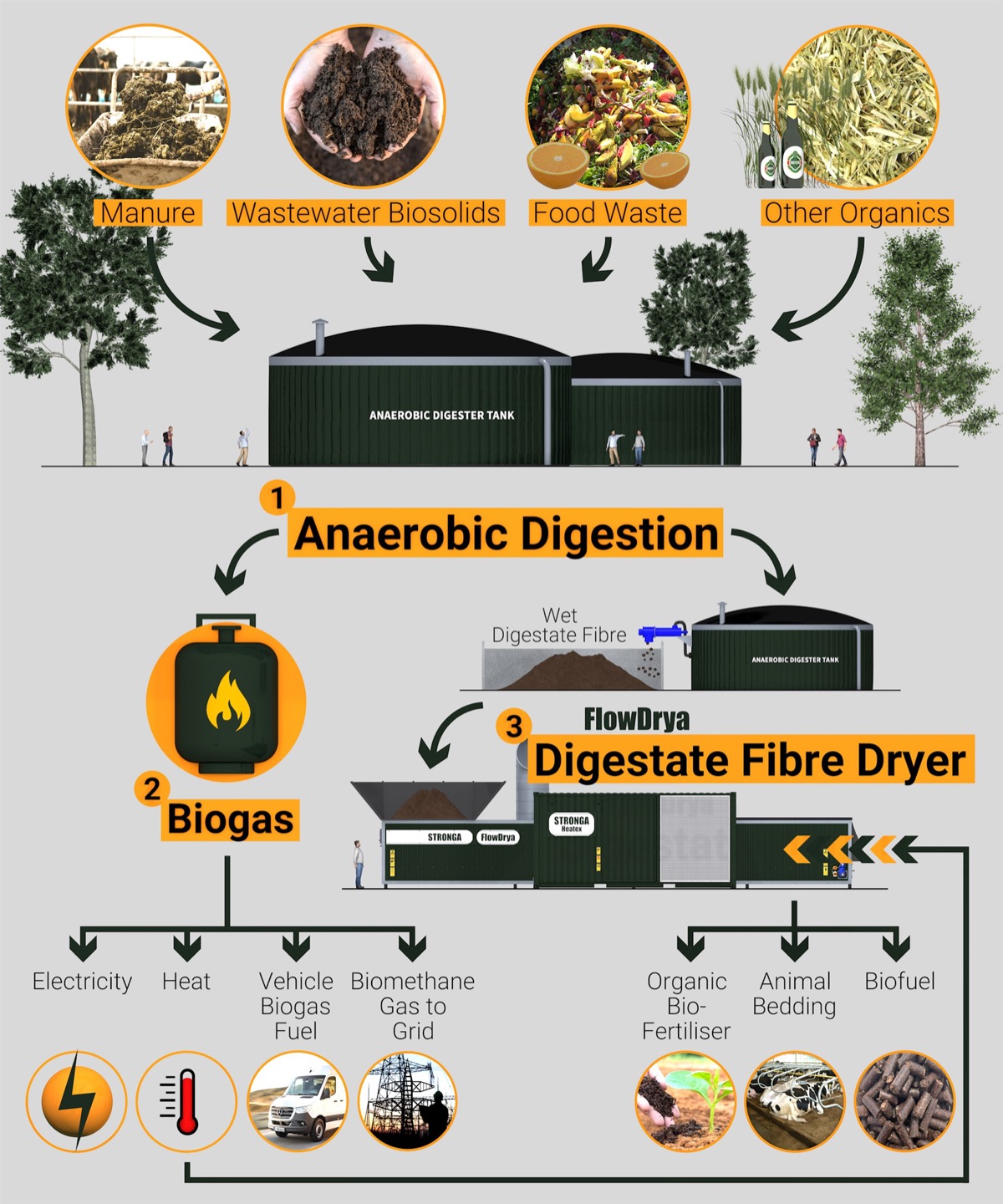
Digestate fibre is the residual, nutrient-rich material leftover after liquid fraction separation, where organic matter is broken down by microorganisms in an oxygen-free process called “Anaerobic Digestion”. Anaerobic Digestion (AD) produces biogas (onsite CHP provides electric for use on-site & secondary heat for drying the digestate fibre) while the separated digestate fibre is a by-product of the process with huge potential, when dry.
Stronga have significant experience in designing flow drying solutions for a wide range of different digestate feedstocks, from manure to whole crop silage, increasing the value, utility and marketability of the solid fraction. For AD plant owners, FlowDrya equipment offers market adaptability, facilitating the production of bio-fertiliser, animal bedding or bio-fuel from wet fibre fraction. Reducing the high moisture content (60%+) of solid digestate fibre, after separation, creates a dry output with upgraded energy, fertiliser and animal bedding value.
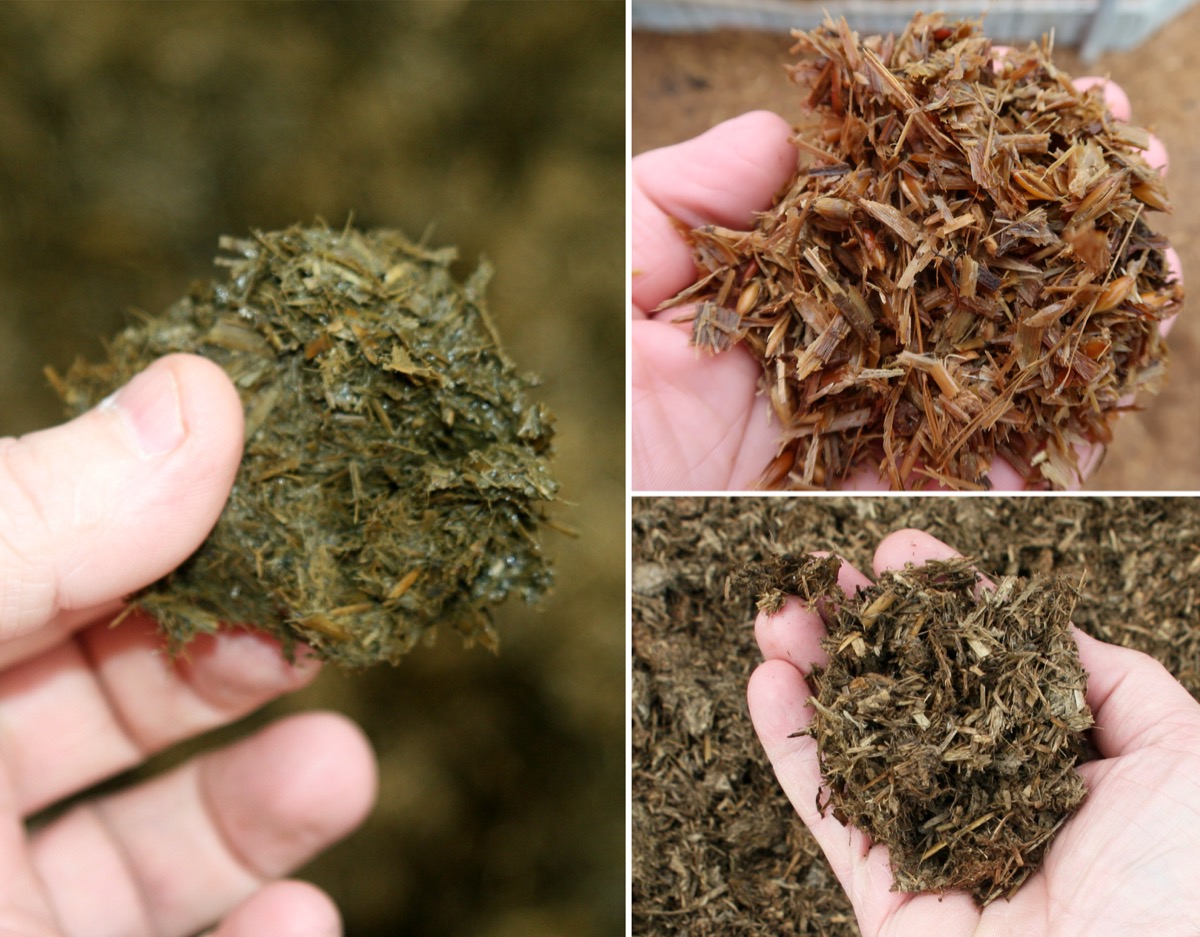
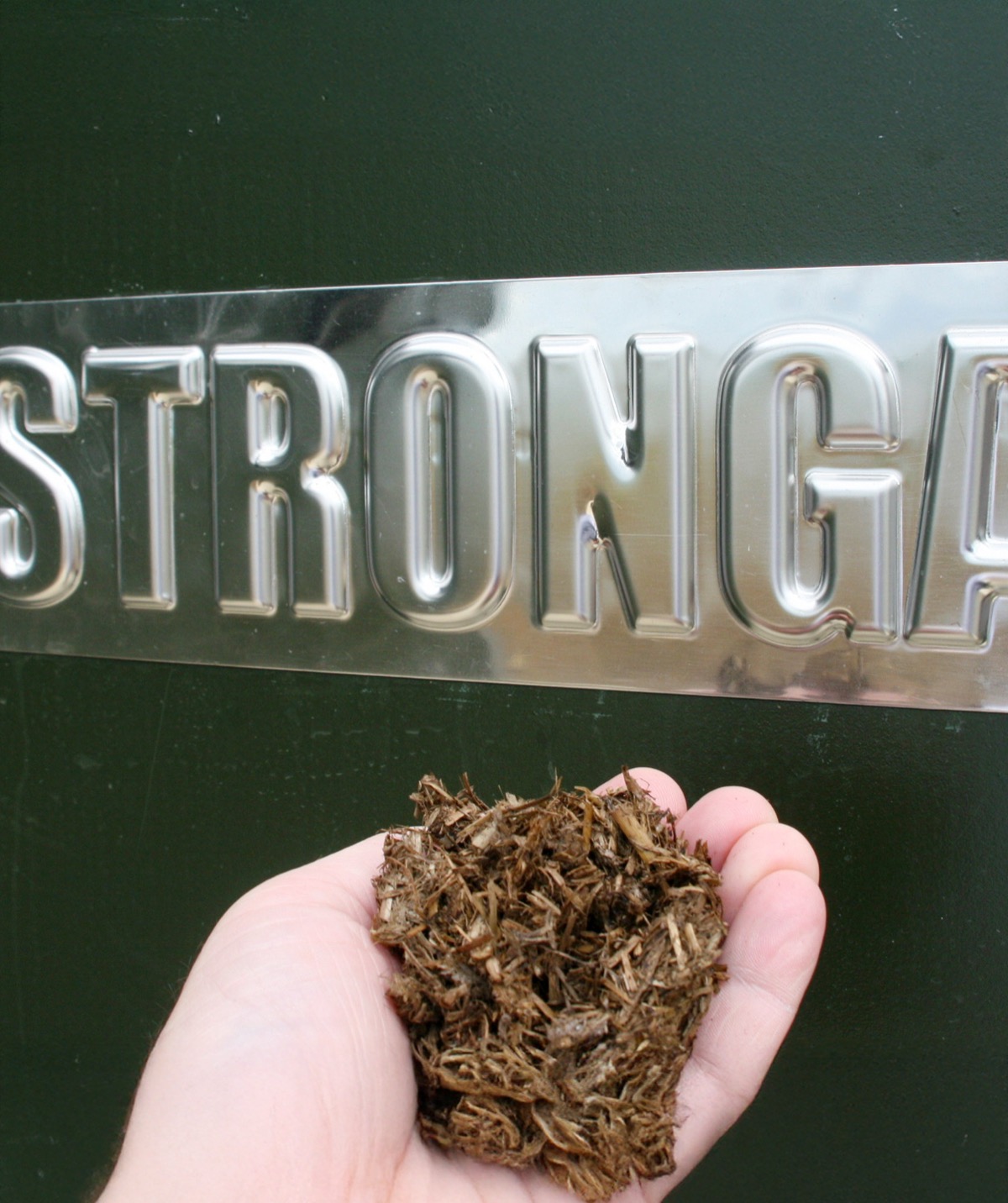
The images below show different digestate fibres produced from varying feedstocks. The AD feedstock has a big influence over the nutrient content of the residual digestate fibre. Compared to others, food-based fibres typically contain higher levels of readily-available phosphate and nitrogen compared to crop-based solid fibres.
Fertiliser and digestate 'waste' legislation varies from region to region. We encourage businesses to ensure compliance with local waste regulations before contacting the Stronga team regarding a digestate fibre drying solution.
Key Benefits of Drying Digestate Fibre
- Wet digestate fibre (60%+) degrades quickly due to microbial activity and ammonia loss (via volatilisation) while odour is also strong, making it problematic to store. Drying down to <20% moisture content significantly improves long-term storage potential by stabilising the fibre.
- Wet solid digestate fibre stored outside can cause nitrogen and phosphorus leaching, damaging water courses and causing environmental pollution. FlowDrya aids in the removal of water and transport mechanism of leachates, minimising the leaching risk from wet digestate fibre.
- FlowDrya stabilises digestate fibre and improves friability by reducing moisture by circa 40% (depending on digestate feedstock/application), preventing decomposition and formation of cohesive sticky masses.
- Drying digestate fibre enables more effective pelleting and stockpiling, ensuring year-round availability/sale potential through storing stable dry fibre. Dry digestate fibre can be spread on the land as and when crops require it, aligning fertiliser supply with crop demand.
- FlowDrya provides AD plants with market flexibility and consistent income, delivering a dried material which is readily available for year-round application.
- FlowDrya is the economic choice for AD plant owners. Animal bedding requirement - 18% MC. Loose bulk fertiliser requirement - <20% MC. Bio-fuel/fertiliser pellets - 8-10% MC.
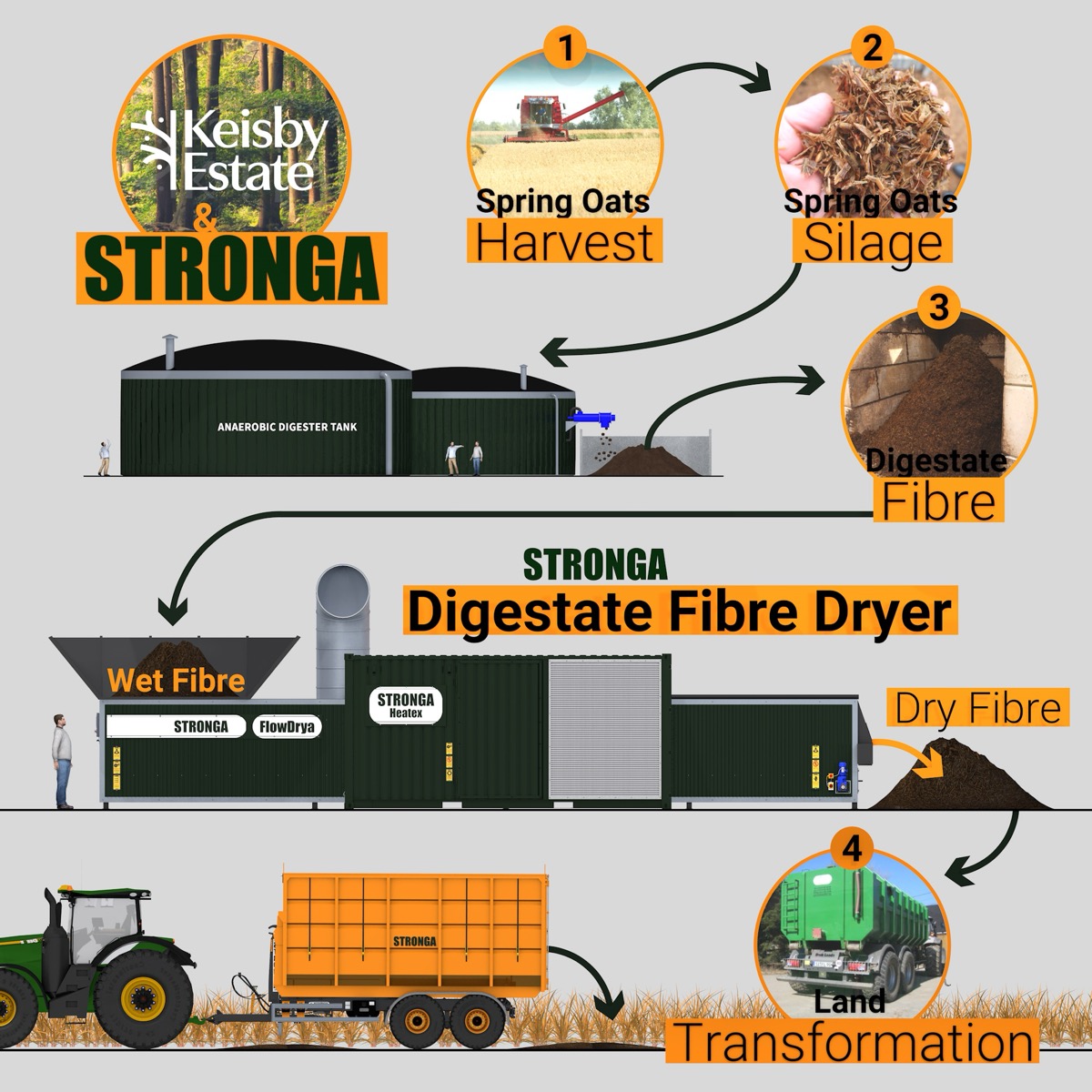
Bio-Fertiliser, Bio-Fuel Pellets & Animal Bedding
In many regions, AD plants benefit from renewable energy subsidies, feed-in tariffs, renewable heat incentives, Green Gas Support schemes and other support mechanisms that provide guaranteed payments for electricity, biomethane, or heat generated from biogas.
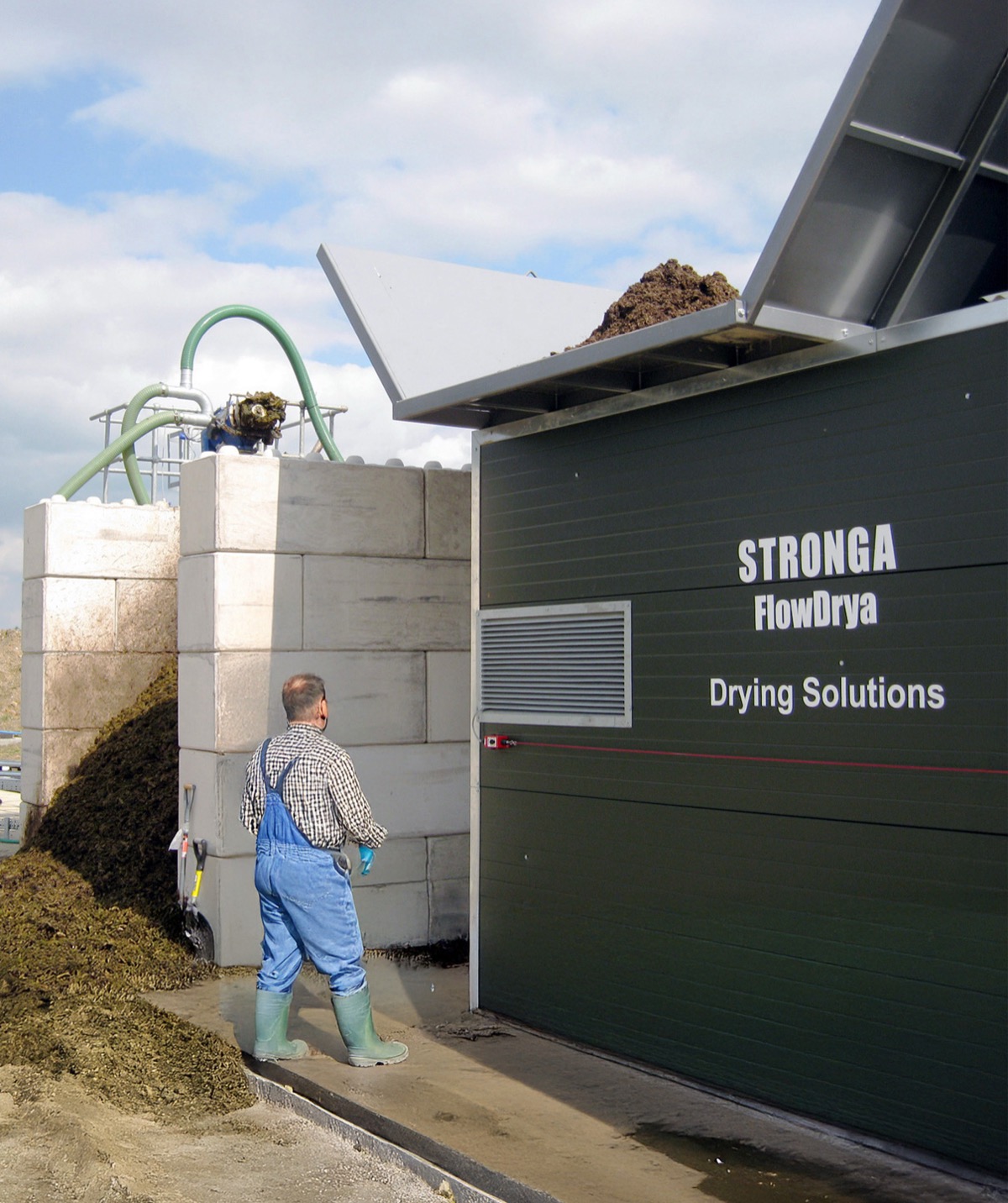
Using AD plant process heat, FlowDrya and Heatex equipment helps offset the capital and operational costs associated with AD infrastructure, making biogas production financially viable while contributing to decarbonisation. Beyond biogas generation, the solid digestate fibre by-product offers additional financial benefits, once dried and pelleted. Many EU countries support biomethane injection into the grid over electricity production, with the goal to increase the local supply of low-carbon renewable gas, helping decarbonise heating and industrial energy use.
Digestate Fibre Livestock Bedding
The straw market is particularly volatile and, of late, has faced a period of price uncertainty due to drought periods and inflation both affecting availabilities. In the UK, price increases of up to 20% have been reported for barley and wheat straw, leaving many farms looking for an alternative supply of locally-available, lower cost animal bedding.
Through drying, FlowDrya reduces the costs associated with importing single-use livestock bedding for farm-based AD plants. Drying digestate fibre for animal bedding reduces input costs of purchasing virgin straw bedding; provides a low-cost alternative for farms with on-site AD-digesters; and enables multiple on-site reuse cycles. Removing moisture from digestate fibre animal bedding is an essential process for ensuring excellent cattle welfare.
Note: The use of animal by-products for bedding is subject to specific regulations. These requirements should be thoroughly reviewed and understood before deciding to pursue this opportunity.
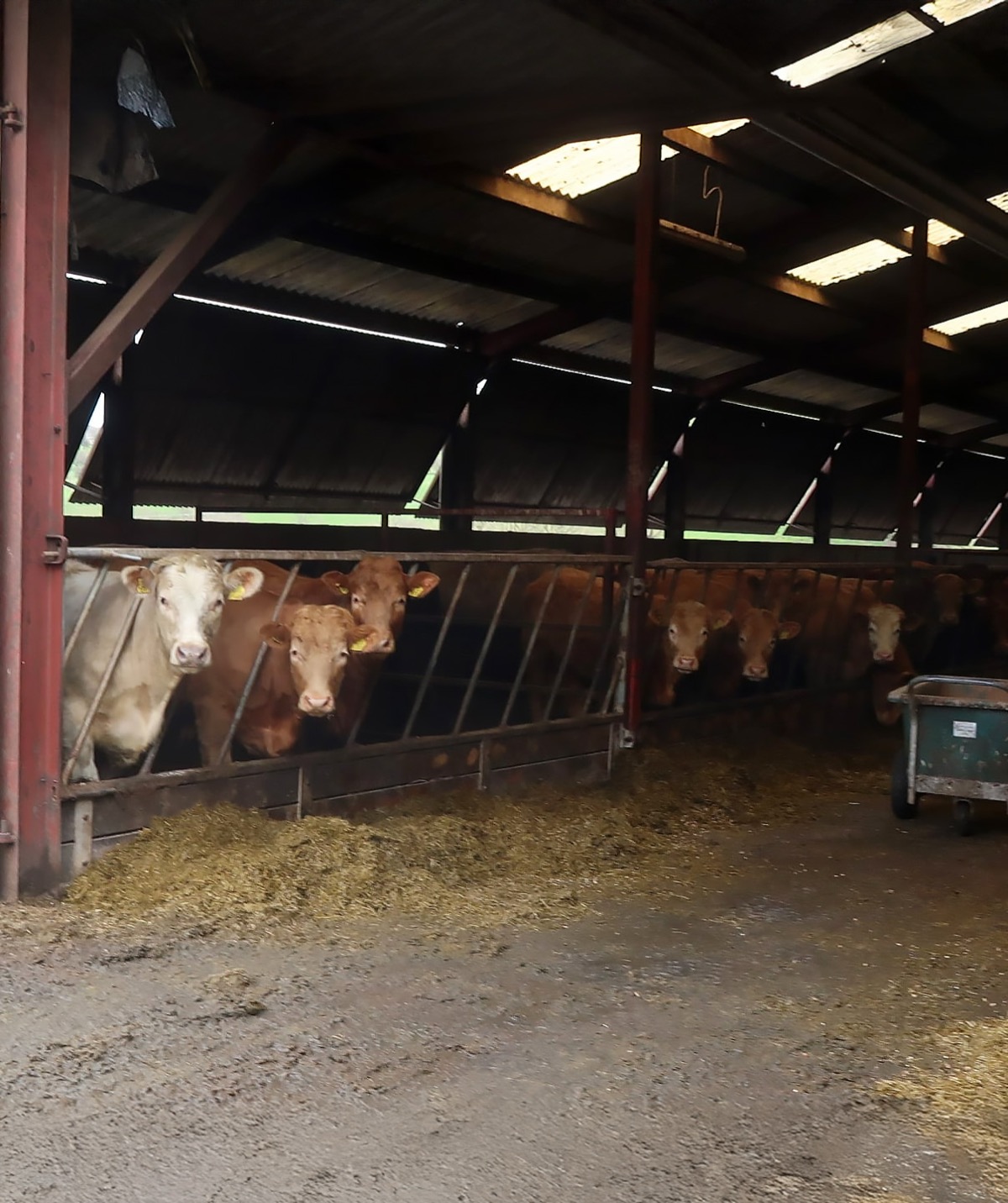
Digestate Fibre Bio-Fuel Pellets
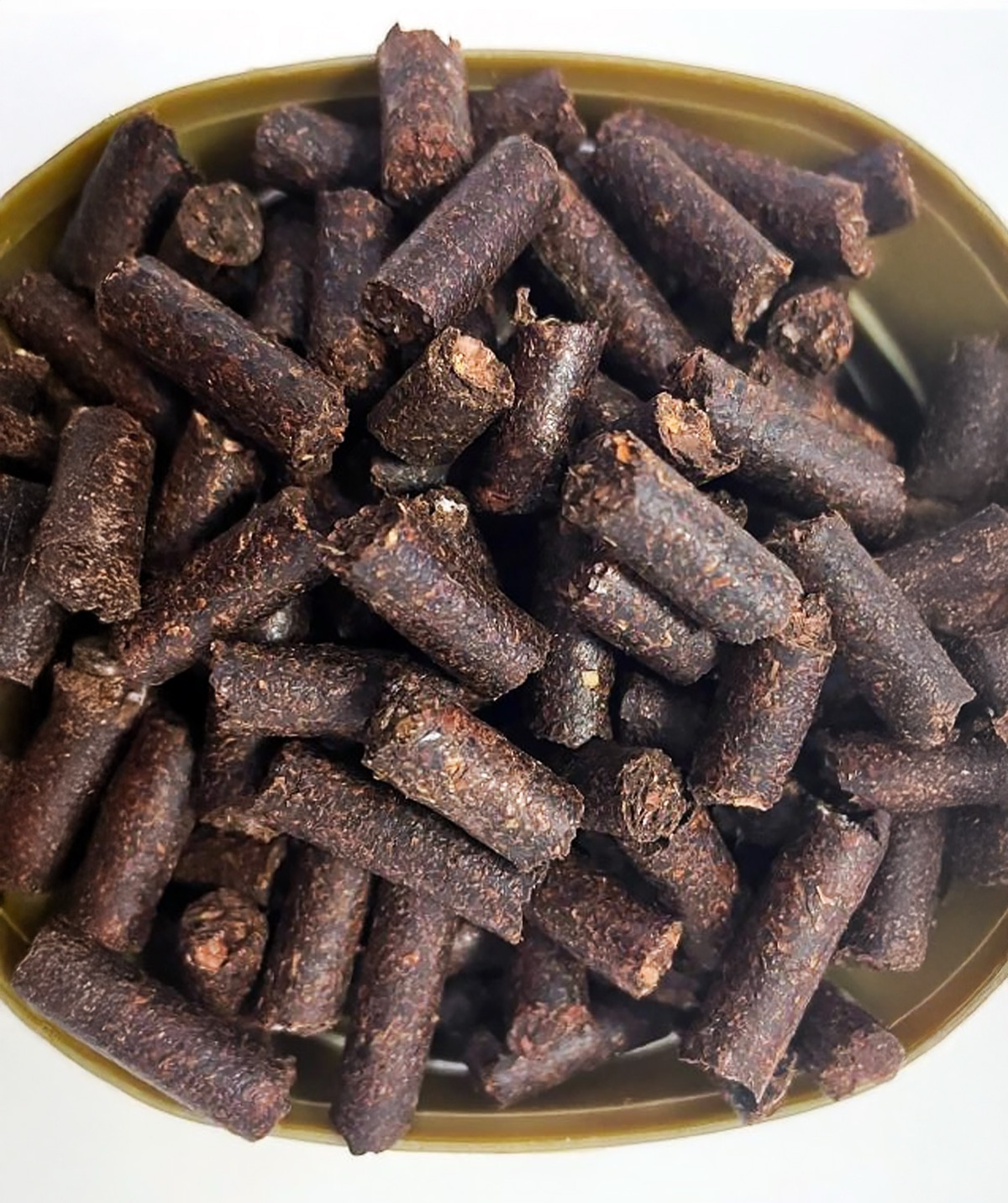
FlowDrya significantly increases calorific value of digestate fibre, making it suitable for use as a lower-grade solid biofuel while enabling the production of pellets which improve energy density, transport efficiency and long-term storage stability. Where demand is high for renewable fuels, digestate pellets can compete with wood-based biomass, particularly where feedstock supply for wood pellets is limited or expensive. Producing digestate-based fuel pellets requires the fibre to be very dry, no more than 10% for pellets and 15% for briquettes.
Using digestate fibre as a biofuel contributes to a circular economy in AD systems, using on-site process heat. This integrated approach — combining subsidised renewable energy production with the valorisation of digestate solids — enhances overall economic viability. By generating energy, reducing waste, and producing marketable biomass fuels, AD facilities diversify revenue streams while supporting renewable energy and resource management objectives.
Improved calorific value/energy density: FlowDrya uses residual thermal heat to increase the energy content per tonne of digestate fibre, upgrading calorific value of digestate from 3MJ/kg @60% to 15MJ/kg @<20%.
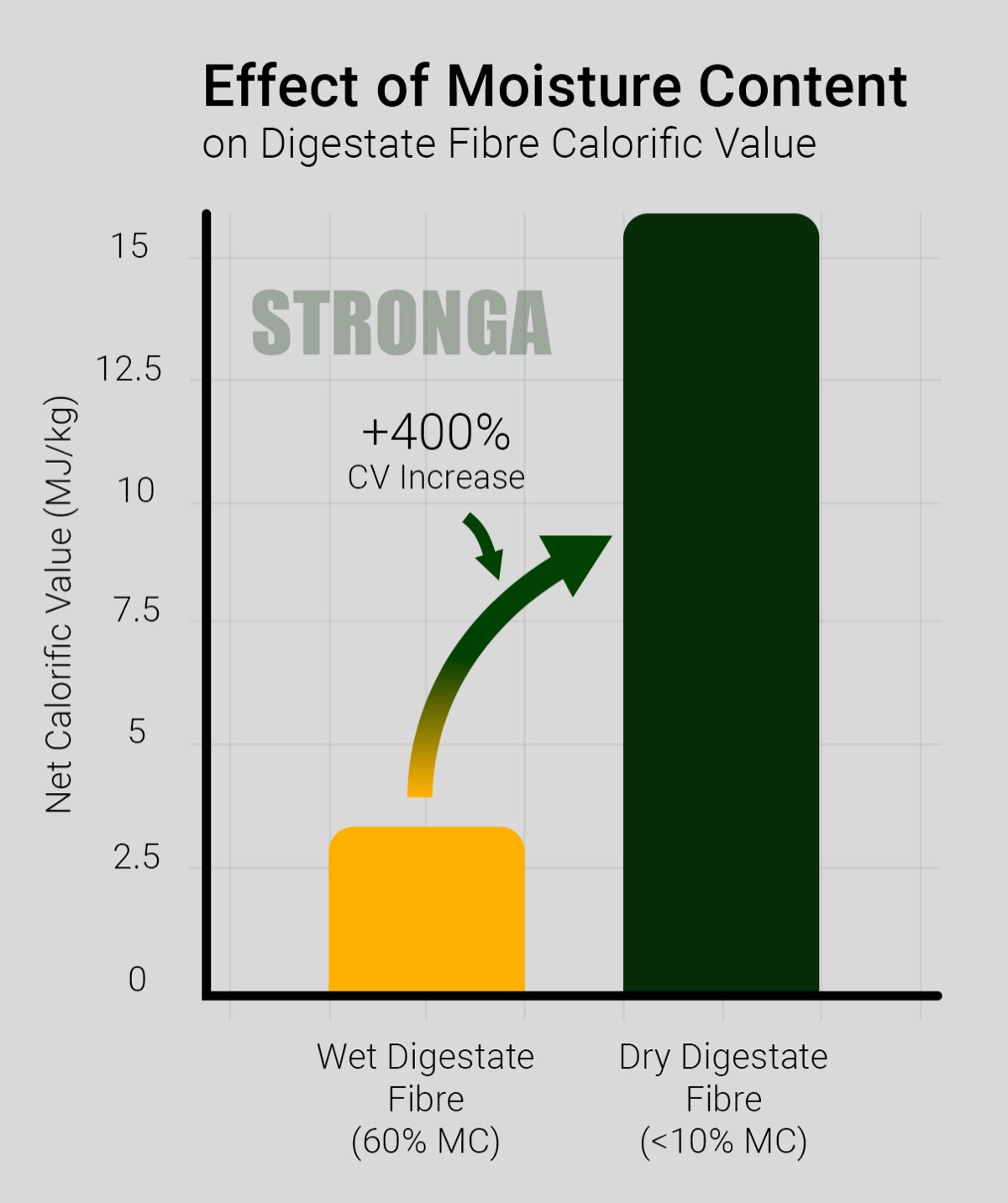
Benefits of Drying for Bio-Fuel Pellet Production
Enhanced compressibility: Dry digestate fibre (8-10% for pellets and 15% for briquettes) can be compressed more efficiently, increasing overall energy density. Dry digestate pellets usually have a bulk density of approximately 600-750kg/m³ while loose, dry, fluffy digestate fibre (<10%) can have a bulk density of 120-180kg/m³ (depending on feedstock, moisture content etc.).
Pellet durability: Drier fibres, circa 10%, compress and bind more effectively into pellets, creating strong, dense, uniform digestate fuel pellets that won't crumble or break during handling and transport.
Storage stability: Dry digestate fibre used for pelleting reduces the risk of rotting, fermentation and mould, making the digestate fibre less susceptible to microbial degradation.
Lowers transport costs: Flow drying halves transport costs per nutrient, lowering the bulk density of moisture per tonne of digestate fibre from approximately 400kg at 60%+ MC to circa 180kg at <20%.
The availability and type of financial support for anaerobic digestion plants is region-specific. Schemes such as Feed-in Tariffs (FiTs), Renewable Heat Incentives (RHI) and the Green Gas Support Scheme (GGSS) exist in some countries (primarily the UK and EU) while other regions rely on tax credits, renewable energy certificates, or investment grants.
Drying Digestate Fibre for Soil Improvement
Upgrading the value of digestate fibre as a fertiliser replacement, FlowDrya offers security around the increasingly uncertain and volatile pricing and availability of chemical fertilisers. The benefits of drying are significant. (1) Drying concentrates certain nutrients in the dry digestate matter, especially phosphorus and potassium. (2) Dried digestate fibres can be applied and incorporated into soil more easily than wet, clumpy fibres. (3) Organic matter in dried digestate fibre is more concentrated, improving soil structure, water retention and microbial activity over time.
Not only are rising gas prices having a massive impact on urea and artificial nitrogen fertiliser costs, making up 80% of production costs, but rising fertiliser costs and the introduction of the Carbon Border Adjustment Mechanism (CBAM) (already implemented in the EU) will also enforce carbon tax on all artificial, carbon-intensive fertiliser, produced and imported. Locally-produced digestate fibre replaces synthetic fertilisers affected by CBAM, making it even more economically attractive in carbon-taxed regions.
- Digestate has lower embedded-carbon compared with synthetic nitrogen fertilisers.
- Using digestate reduces demand for imported fertilisers subject to CBAM costs.
- Farms using digestate may avoid higher fertiliser prices caused by carbon/market pricing.
- Access to circular, organic fertiliser improves regional crop security.
The Market's-Leading Drying Solution for Digestate Fibre
Dry digestate fibre is nutrient-rich and environmentally-beneficial. Every tonne dried offers a step toward higher yields, lower input costs, and more sustainable farming. Through investing in digestate fibre drying, farmers are succeeding in making their AD plants more efficient, creating self-sustainable circular operations involving biogas and solid digestate fibre outputs. With FlowDrya, farmers are harnessing the power of residual energy and utilising available resources to their full potential.
FlowDrya represents a strategic, cost-effective, and sustainable investment in advancing crop nutrition and/or mitigating animal bedding costs. By leveraging the concentrated nutrients and predictable application of dry digestate fibre, farmers and biogas plant owners can maximise crop yield potential, reduce fertiliser costs, and enhance organic soil health, all while contributing to sustainable agricultural practices.
The Stronga team has real experience in designing FlowDrya equipment for a range of digestate drying applications; whether that be for animal bedding, soil amendment or bio-fuel. Fill in the form at the bottom of this page to start your drying journey with our digestate fibre drying experts.
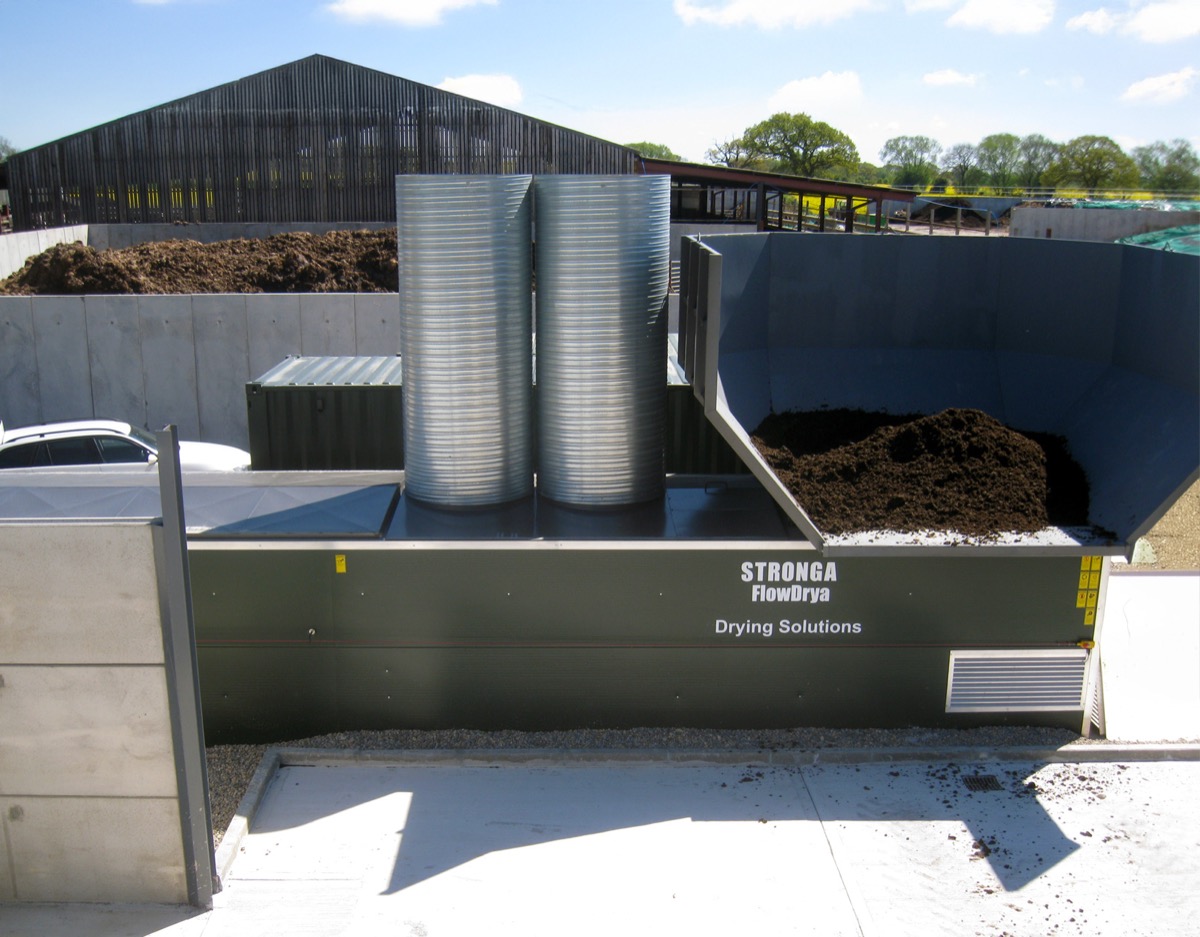
Master in Moisture Removal
Leading “Digestate-Upgrading” Equipment
Discover the key benefits of FlowDrya equipment for drying solid digestate fibre.
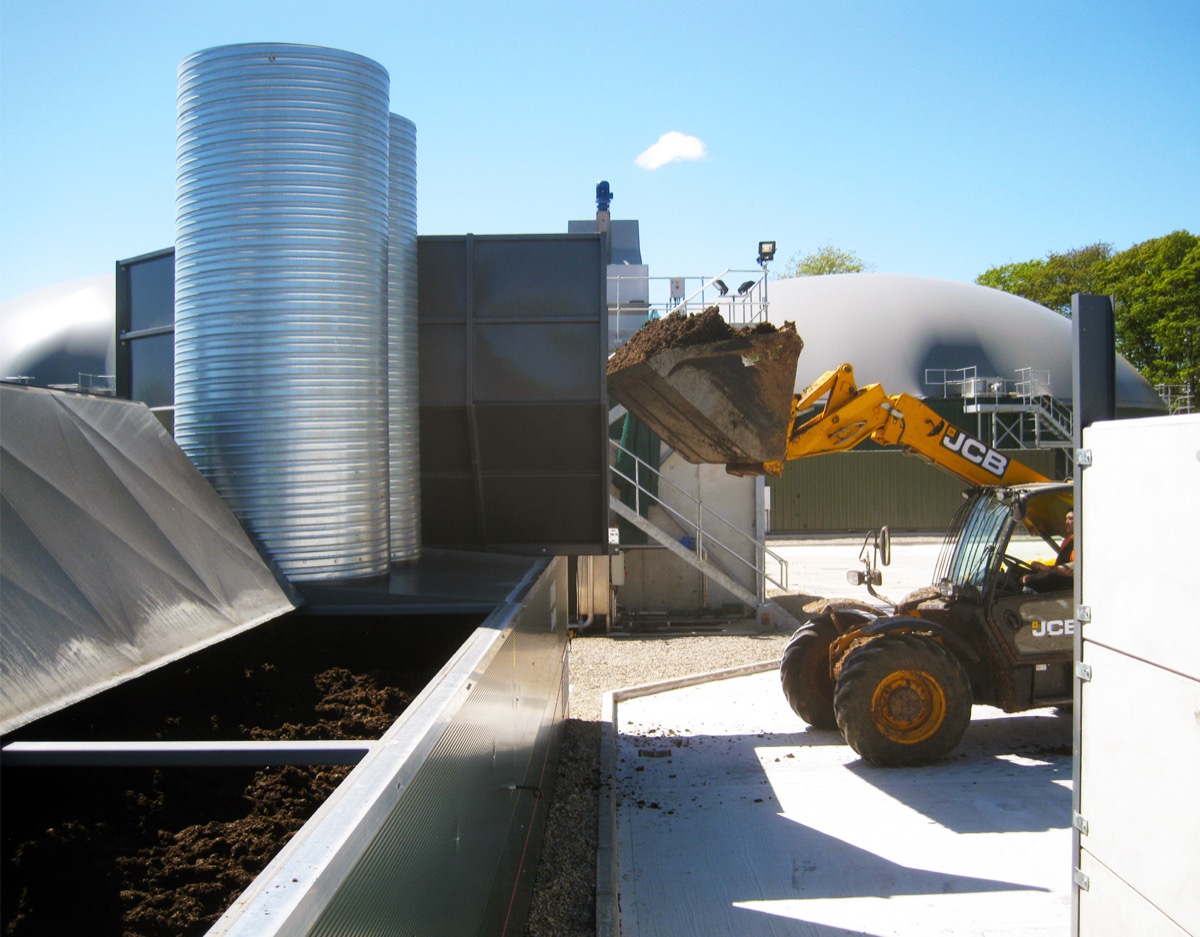
Drying digestate fibre transforms a wet, bulky material into a stable, friable product that can be compressed into pellets for fertiliser or fuel and used as animal bedding, improving handling, storage, performance, and efficiency. Don't let high moisture content weigh you down – contact the FlowDrya team today to design your optimised digestate drying solution.
FlowDrya Enquiry Form
Digestate fibre drying efficiency depends on air temperature, relative humidity, input moisture content, dry output requirement and many other factors. For advice relating to your specific digestate drying requirements, please get in touch with our friendly team by filling out the enquiry form below.
Digestate Drying FAQs
What is digestate fibre?
Digestate fibre is the solid fraction obtained from anaerobic digestion of organic material. It is rich in nutrients such as phosphorus (P2O5) and potassium (K2O), and contains a portion of nitrogen that is available to crops. Its fibrous structure also makes it suitable for soil improvement, providing organic matter that enhances soil structure and long-term soil fertility.
What is the typical moisture content of wet separated digestate fibre, and how does this affect handling and nutrient concentration?
After separation, solid digestate fibre fraction typically has a moisture content reaching up to and exceeding 60% depending on the separation, de-watering process. Reducing moisture through flow drying increases nutrient density per tonne, improves ease of handling, and extends fibre storage life.
Why is drying digestate fibre essential?
Drying digestate fibre is essential to:
- Reduce weight and volume for easier transport.
- Concentrate organic nutrients, increasing its fertiliser value.
- Minimise odours and potential microbial activity during storage.
- Improve versatility for different applications, including soil amendment, biofuel, or animal bedding.
- Reduce the risk of leachates and nitrates leached from wet digestate stored outside, harming the environment and water courses.
What are the main applications of digestate fibre?
Digestate fibre is highly versatile and can be used across a wide range of valuable applications.
- Organic Fertiliser (<20% MC): Supplies phosphorus, potassium, and organic matter to crops.
- Livestock bedding (<20% MC): Its fibrous structure absorbs moisture, providing a comfortable and hygienic bedding material.
- Pellets or fuel (<10% MC): Dried fibre can be pelletised or used as a renewable biomass fuel, contributing to sustainable energy production.
- Soil conditioner: Improves soil structure, water retention, and organic matter content.
Ready to discuss your digestate drying project?
Our team can help you specify the right FlowDrya system for your AD plant, CHP heat availability, and target product specifications.