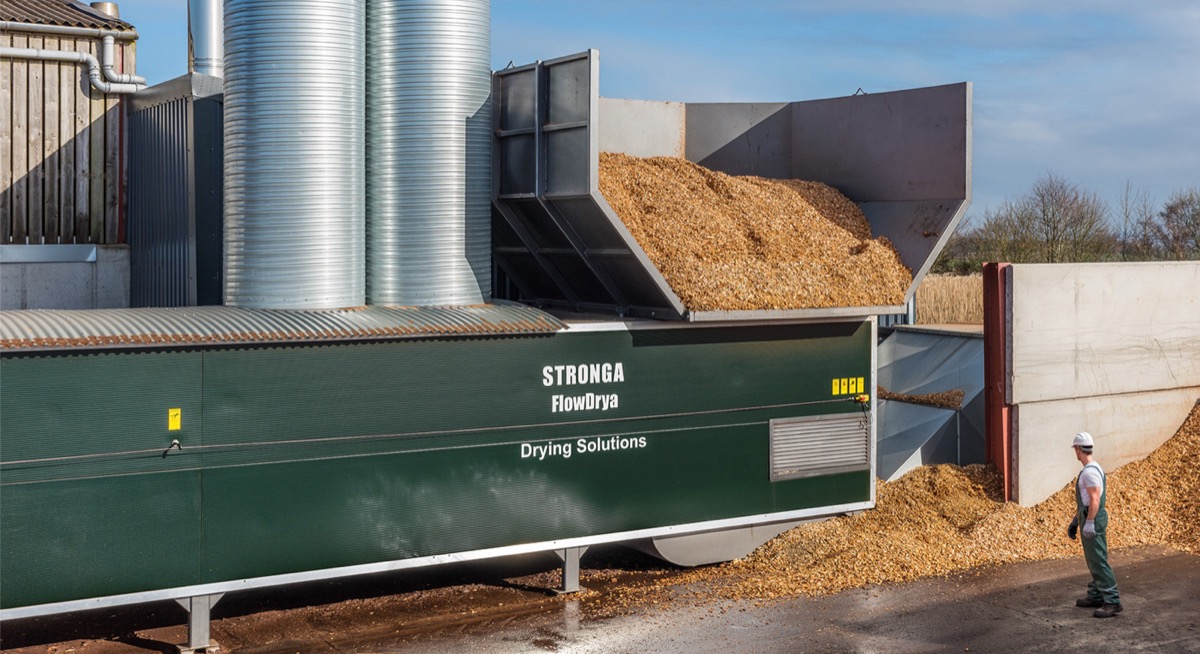
Drying Wood Chips
Transforming wet wood chip into a valuable dry output
Drying Woody Biomass Materials
FlowDrya is well-proven over many decades in drying a variety of woody biomass materials, including different wood chip grades (G30/P16s), as well as wood root oversize, sawdust, wood shavings and wood peelings. Through drying wood chips, boiler operators ensure efficient, reliable, and environmentally-responsible biomass energy production, while biochar producers deliver premium biochar with high carbon content.
Freshly chipped green wood fed into the FlowDrya undergoes controlled, continuous drying, meeting precise customer moisture specifications. Flow drying efficiently removes moisture down to the customer's target dry output, resulting in consistently dry wood chip, ready for long-term storage, sale or combustion.
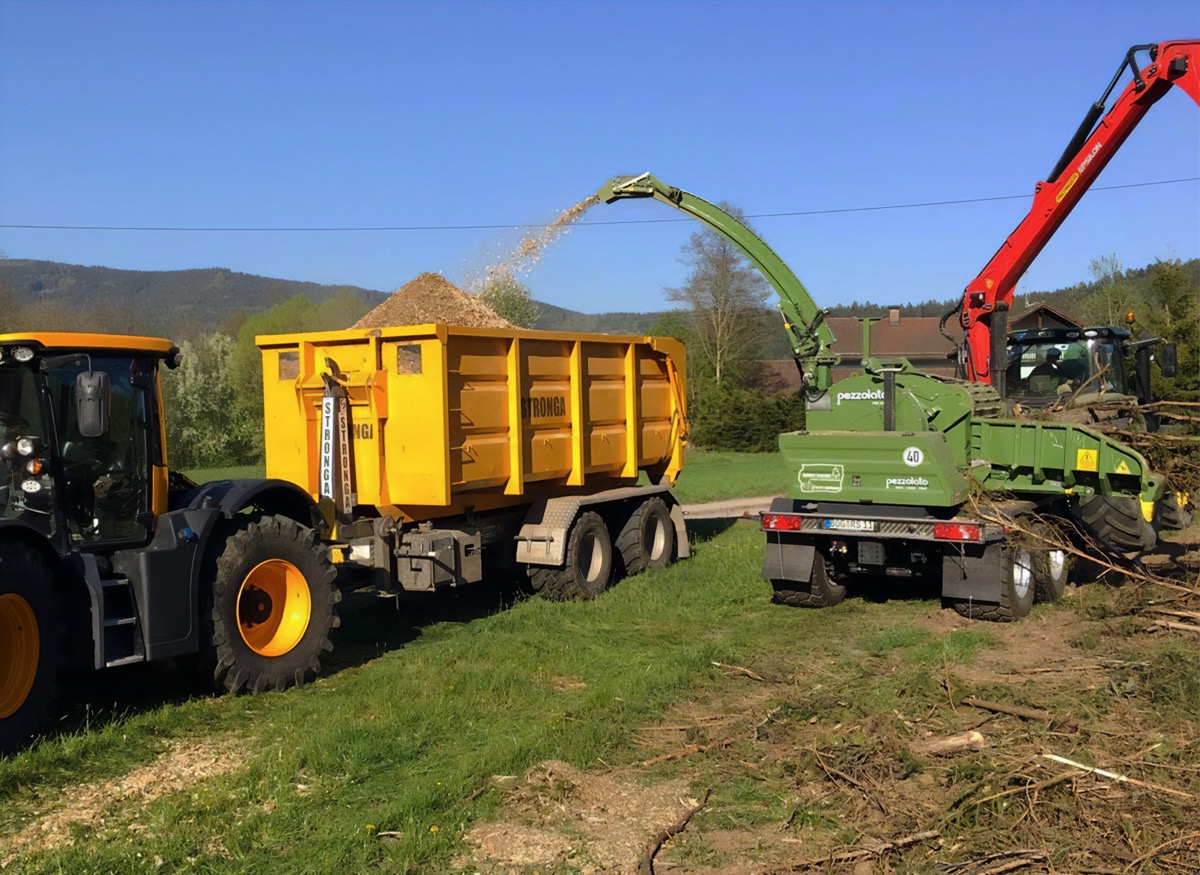
Wood chips are commonly graded to ÖNORM standards G20/G30 or updated ISO standards P16s/P31s, which refer to particle size, consistency and moisture content, directly influencing combustion efficiency (when woodchips are used for biofuel). The tables below provide an overview of the different wood chip standards.
| ÖNORM (European) Standard | |
|---|---|
| Grades (typical size mm) Fine chips → coarse chips | G20, G30, G50, G100, G200 |
| Moisture class (% content wet basis) Lower moisture = higher energy content & better combustion | W20, W30, W35, W40, W50 |
| ISO 17225-4 (International) Standard | |
|---|---|
| Particle size (mm) (main fraction + fines + oversize limits) Categorised with an 'S' (P16S = 45mm) for smaller feeding systems | P16, P31.5, P45, P63, P100 |
| Moisture class (%) | M10, M20, M30, M40, M50 |
Meeting Wood Fuel Regulations
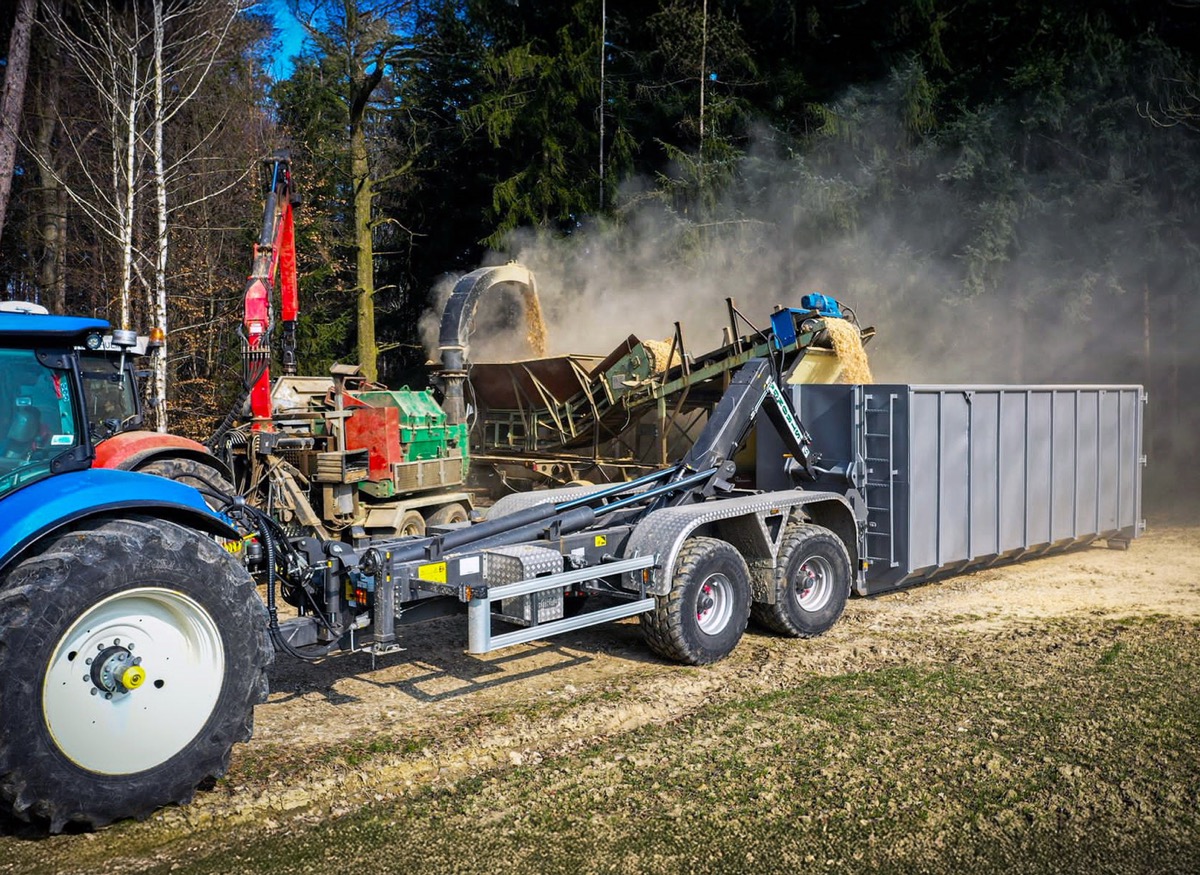
Complying with regional wood fuel regulations increases commercial viability for wood fuel producers, enabling reliable access to regulated markets, qualifying for incentives and certifications and building buyer confidence through consistent, approved fuel quality. FlowDrya is able to dry a wide range of wood chip fractions to local standards. Discover a selection of qualifying woody biomass materials below.
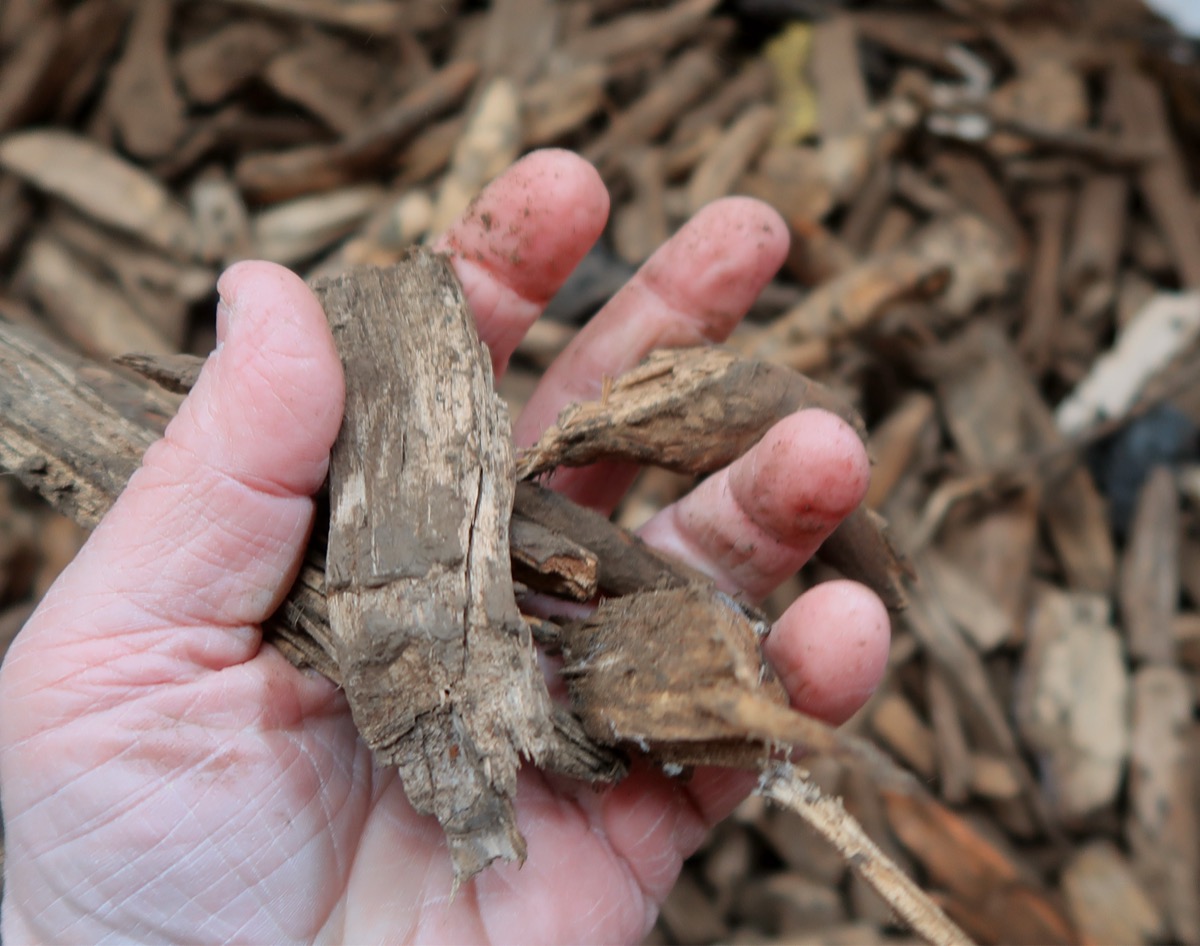 Drying Wood Chip Oversize
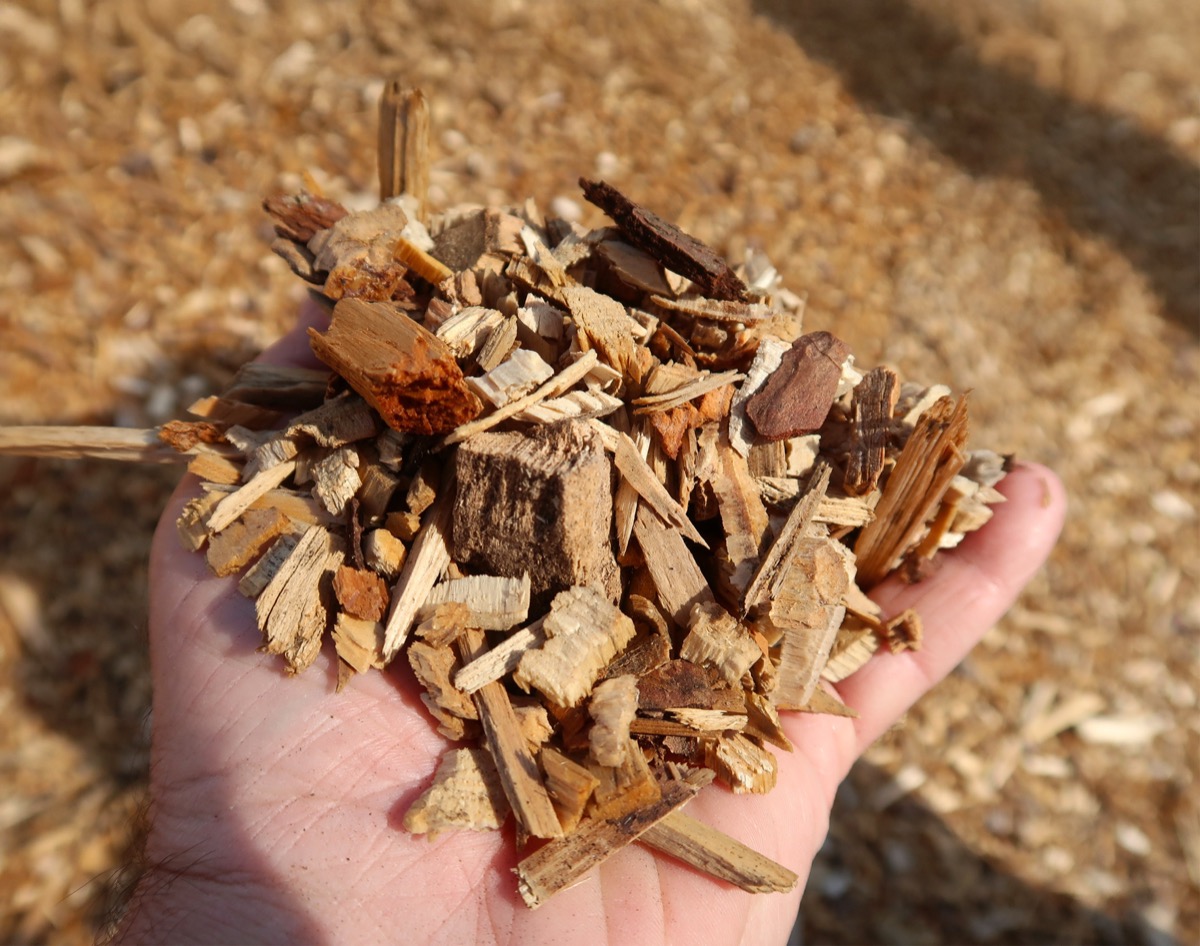 Drying Wood Chip
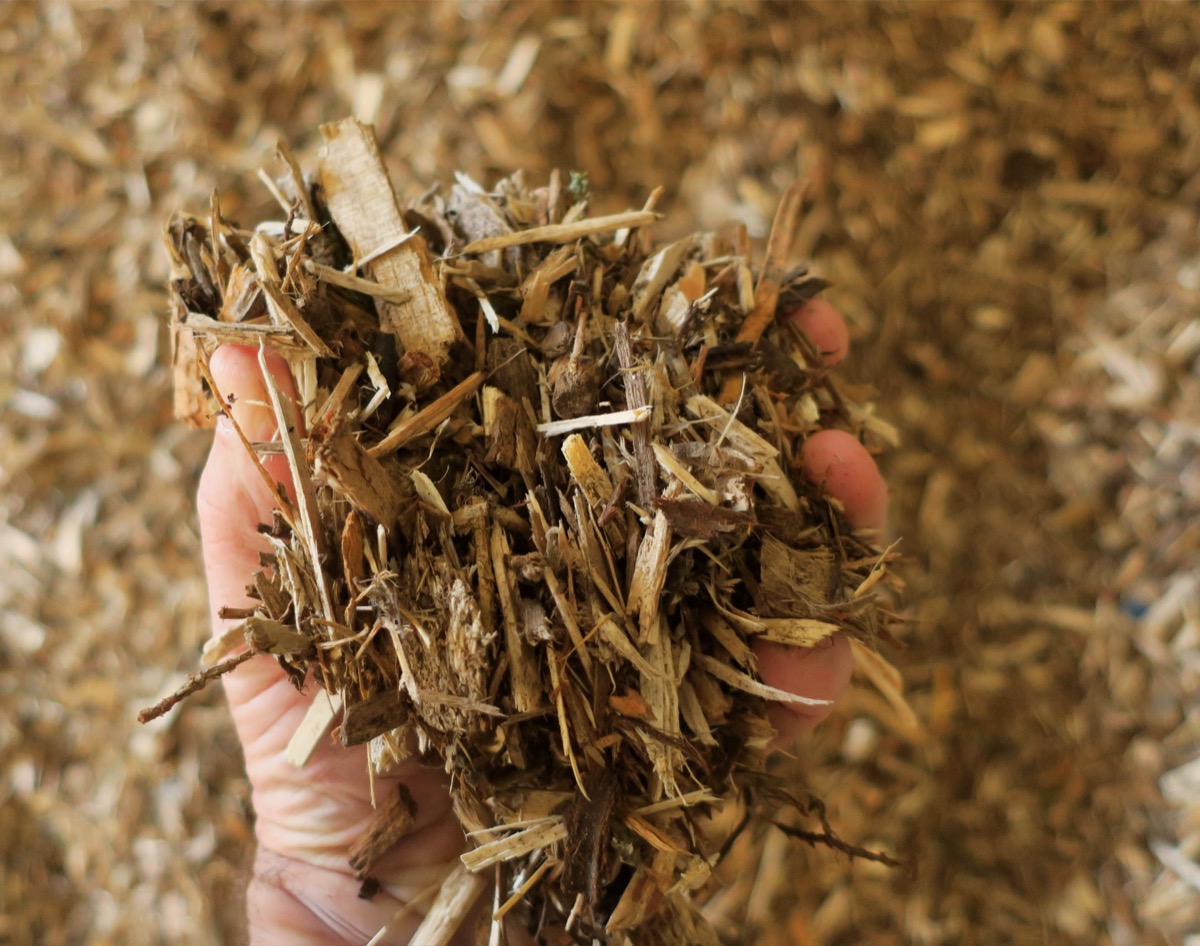 Wood Chip Commercial Blended
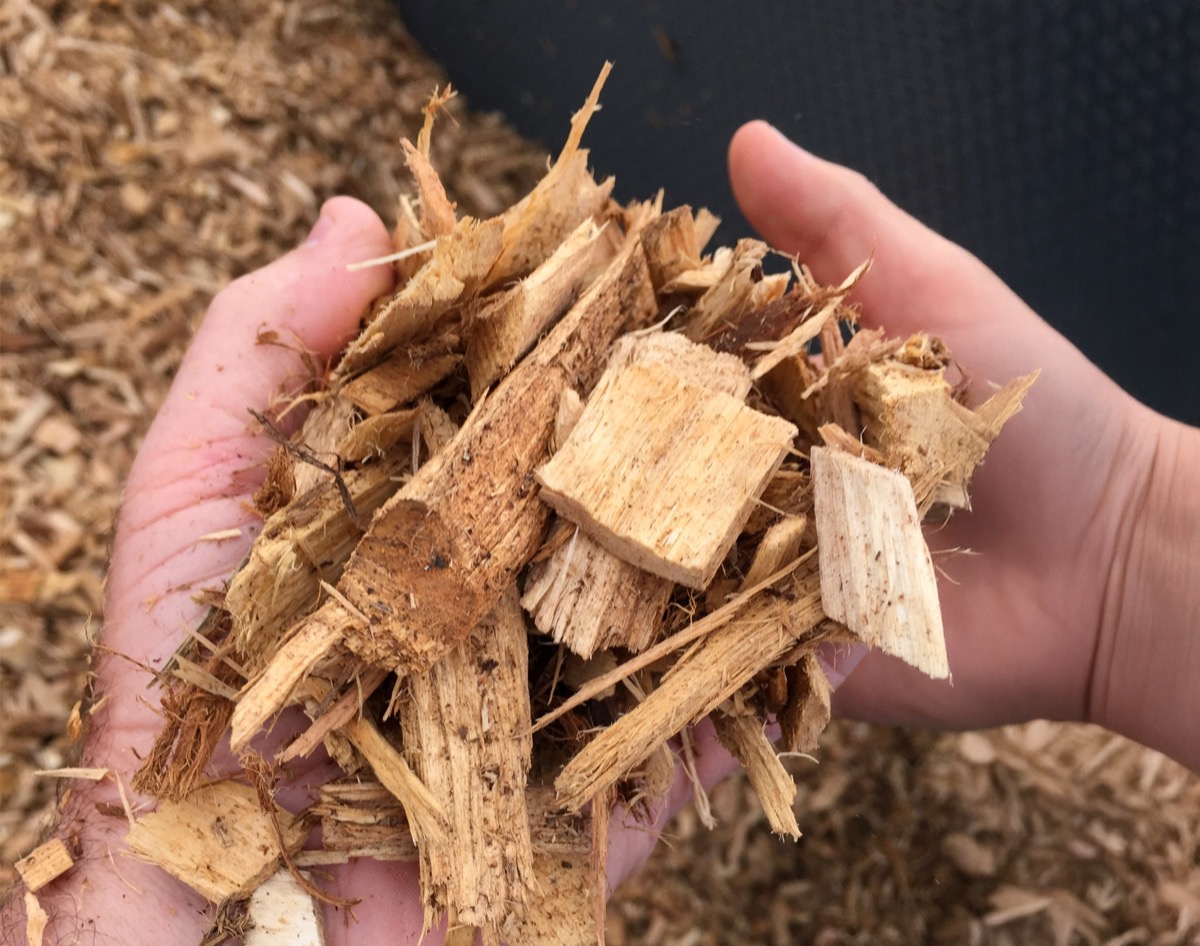 Drying Softwood Mixed Chip Size
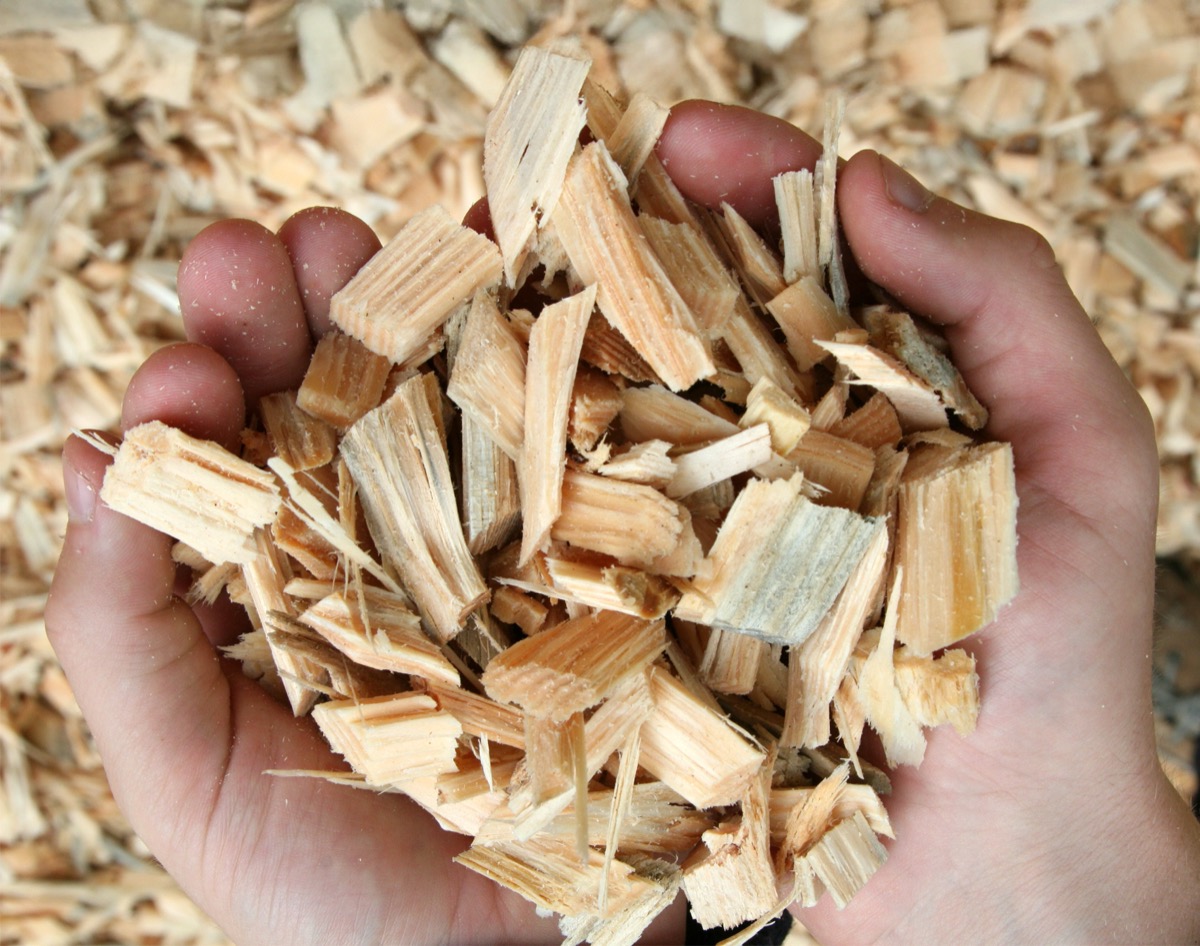 Drying Softwood Uniform Chip Size
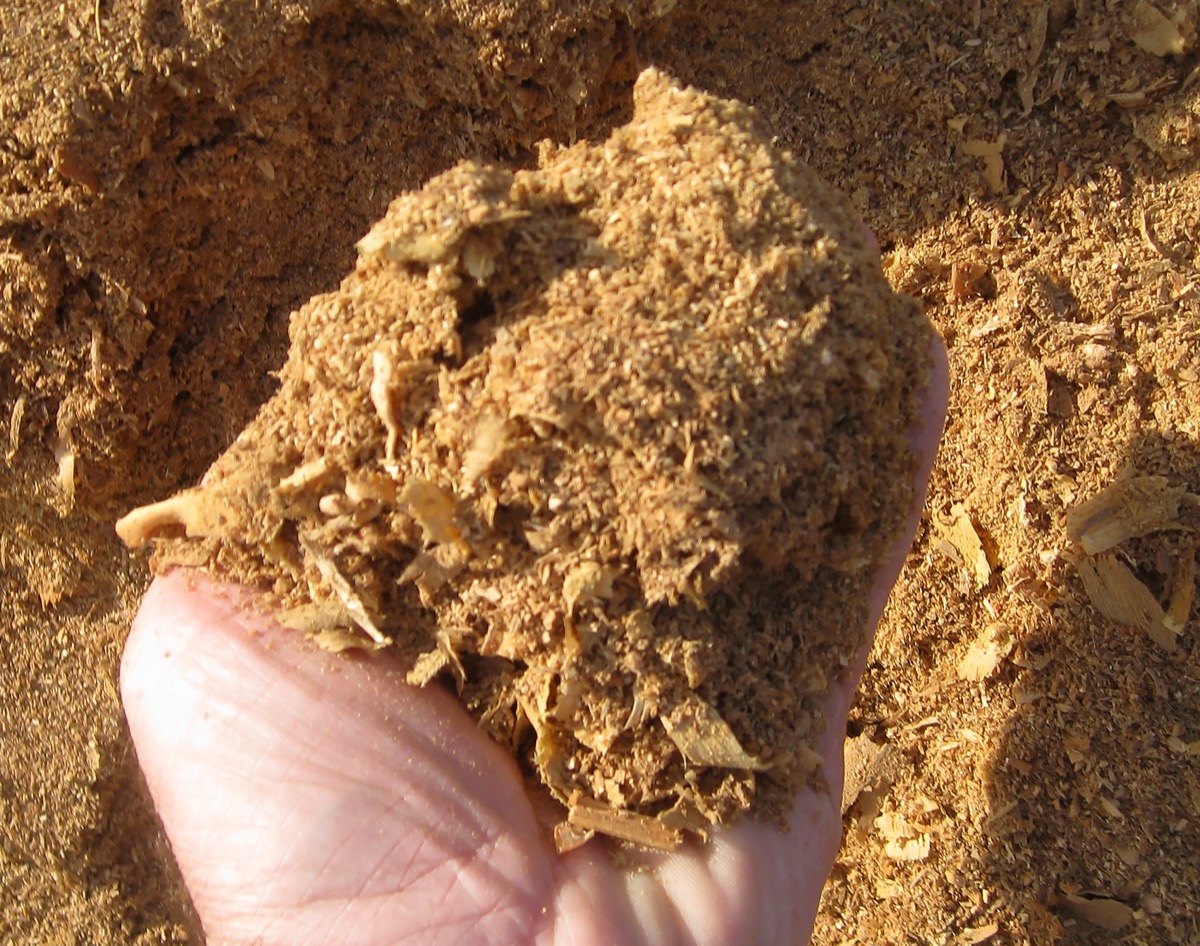 Drying Finely Ground Wood Chip (Sawdust)
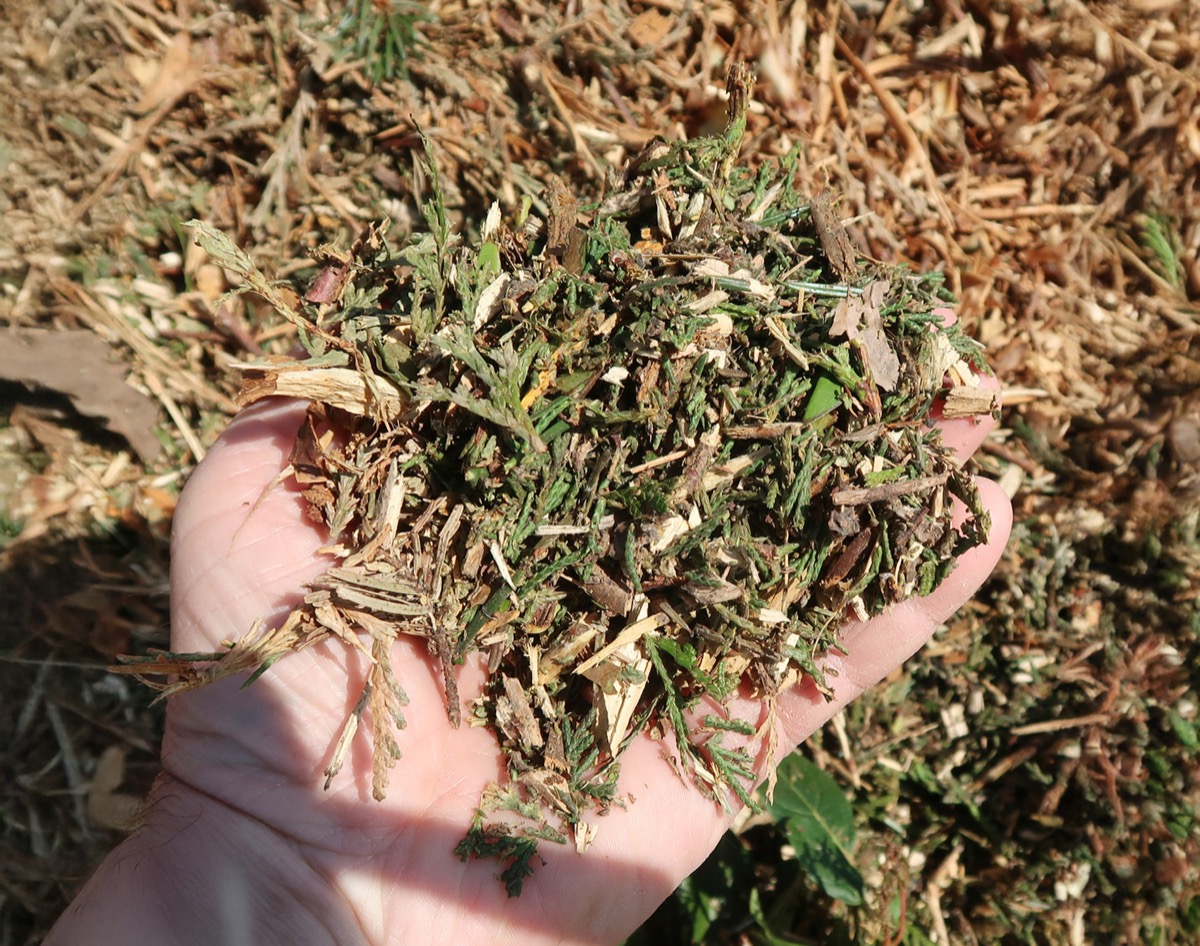 Drying Arb Chip
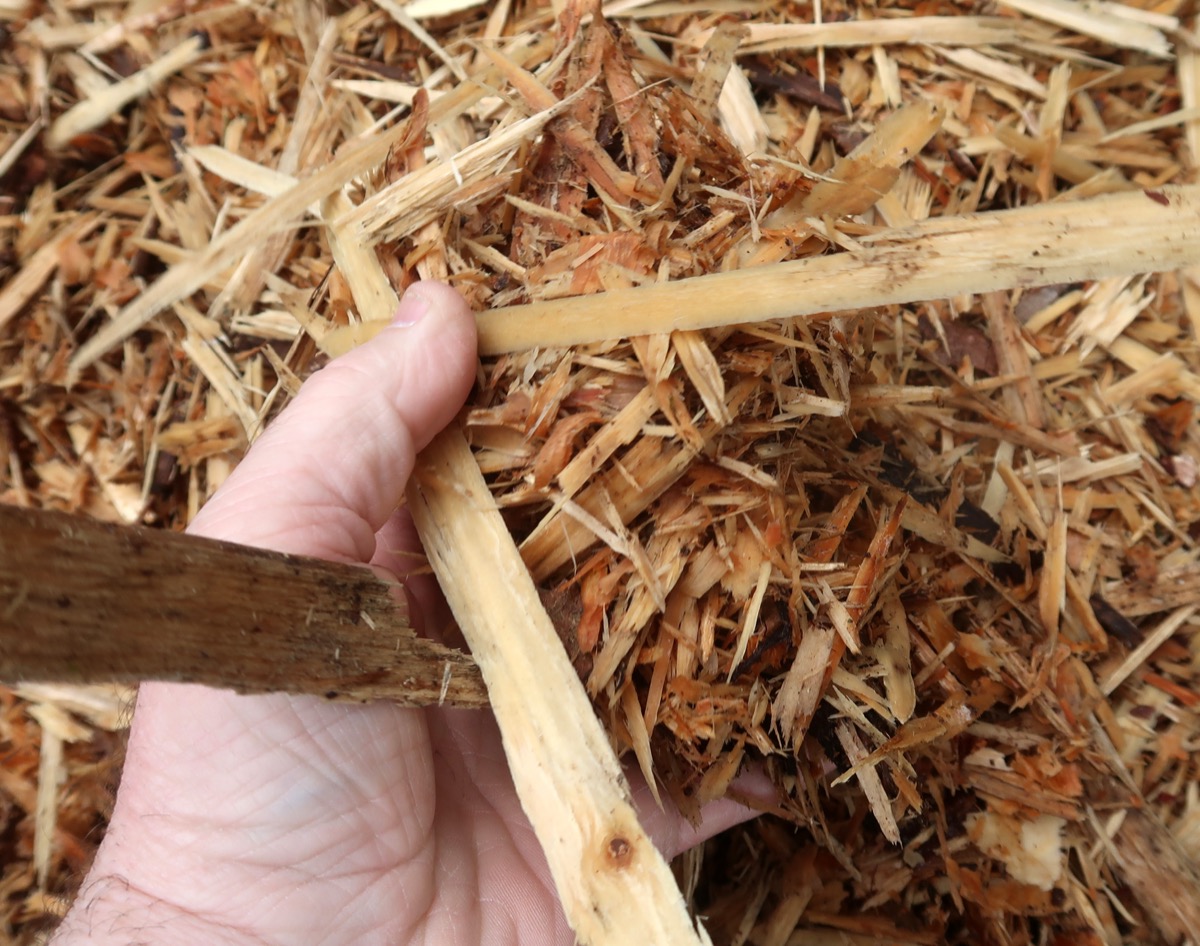 Drying Wood Peelings
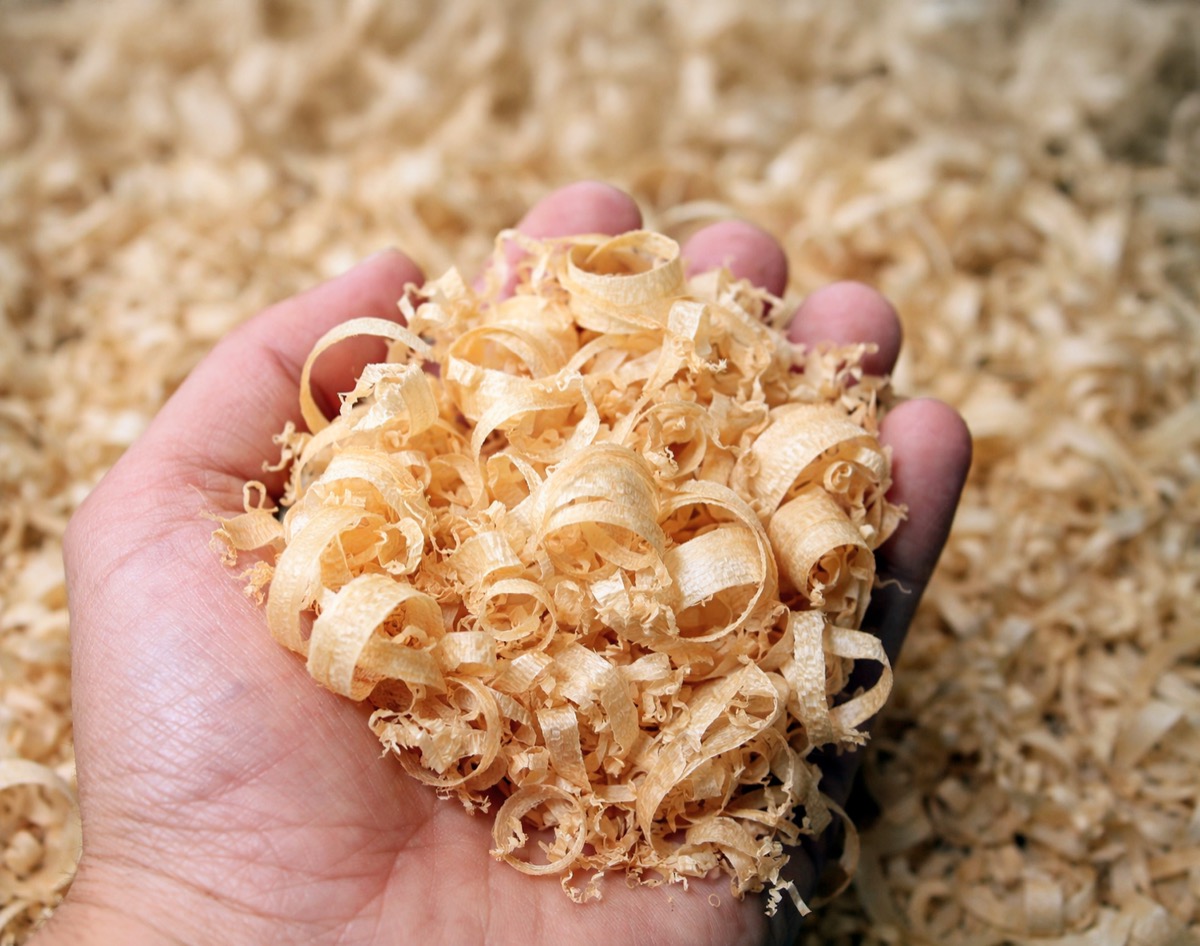 Drying Wood Shavings
What are the Main Benefits of Drying Wood Chip?
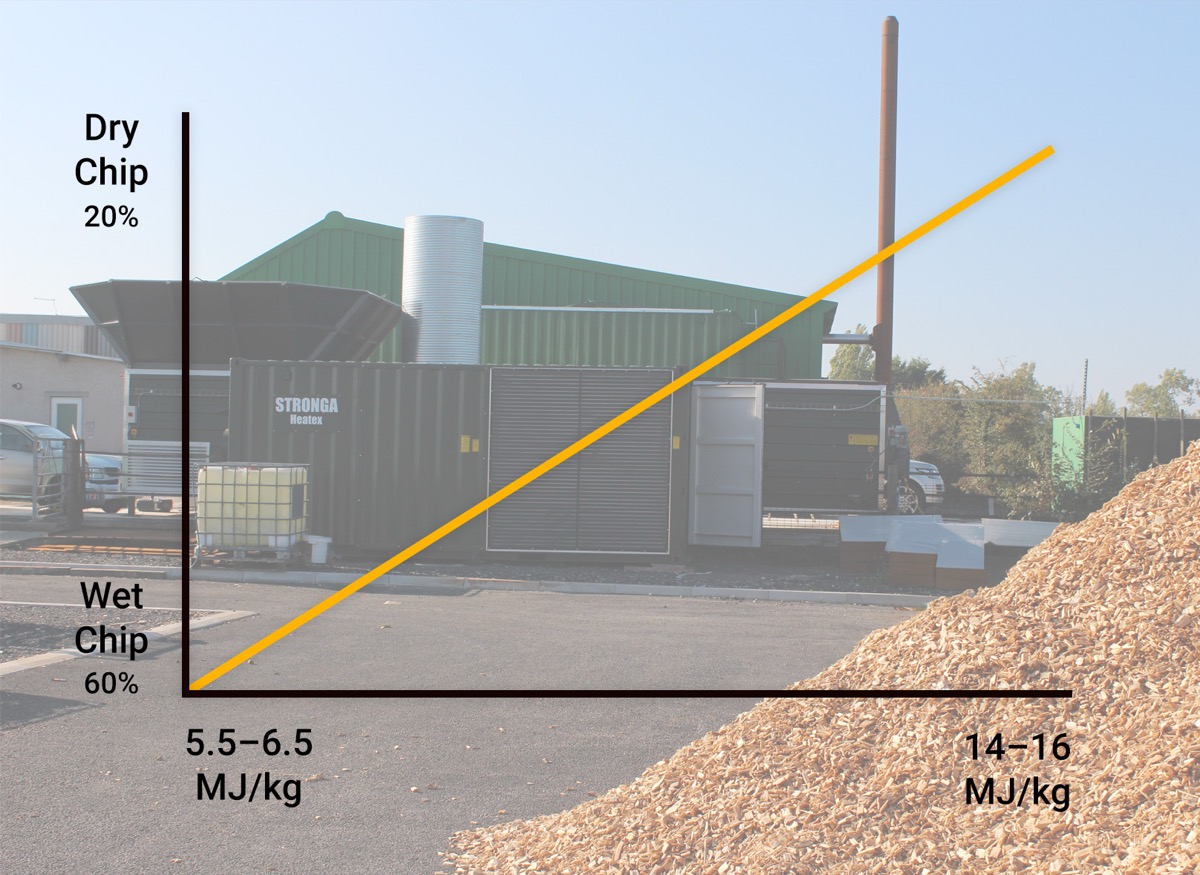
Freshly harvested wood can contain up to 65% moisture, depending on local climatic conditions, season and other factors. High moisture content in wood chips significantly reduces energy efficiency and can cause feeding complications in boilers or biochar reactors. Flow drying wood chips is therefore an essential step in optimising chip for high-value onward applications and overall premium marketability. Discover the key benefits.
| Wood Chip Moisture Content (%) | Biochar Yield (t/t feedstock) | Carbon Content (%) |
|---|---|---|
| 15% | 0.30 | 78% |
| 20% | 0.28 | 75% |
| 30% | 0.25 | 70% |
| 40% | 0.21 | 65% |
What are the Popular Applications for Dry Wood Chips?
Flow dried wood chip serves multiple high-value markets across the recycling, renewable energy, landscaping and manufacturing sectors.
Wood Chip Drying FAQs
What are wood chips?
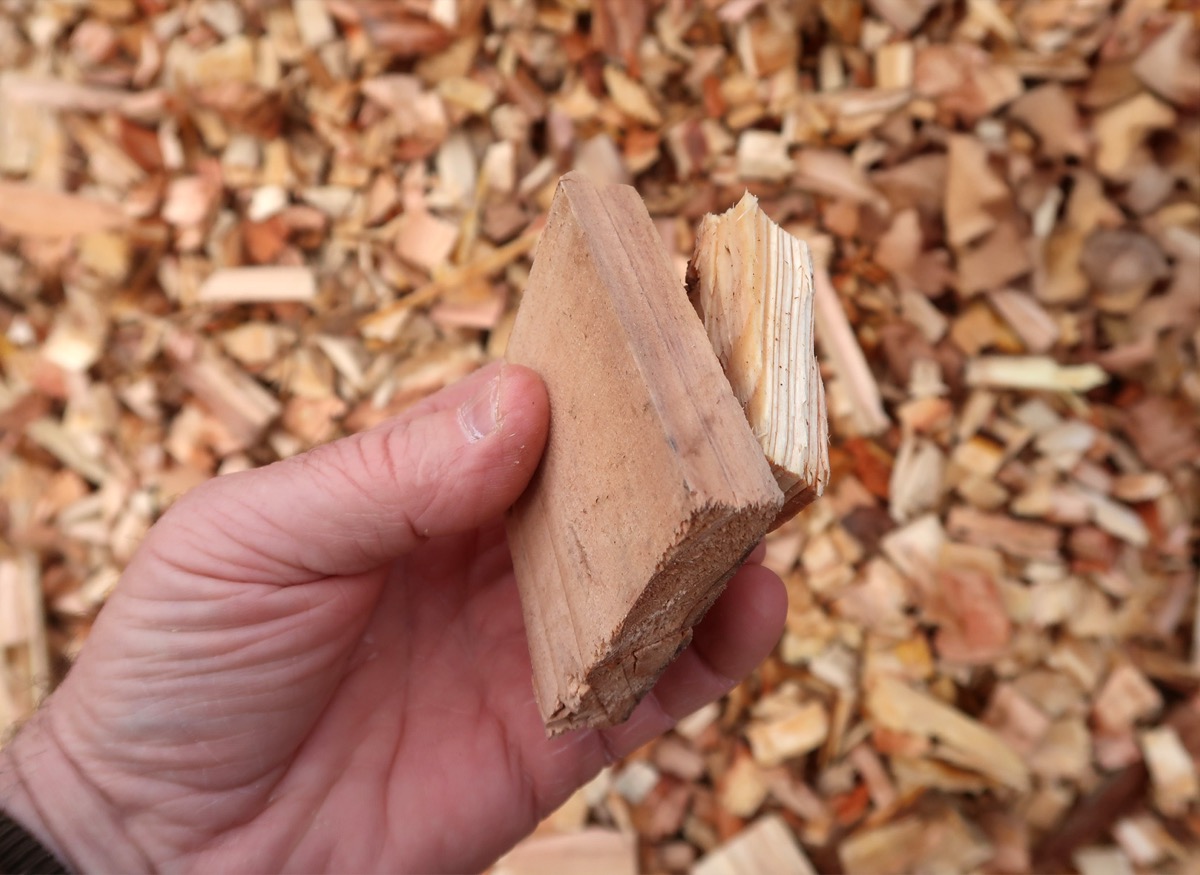
Wood chips are small pieces of woody biomass produced by mechanical chipping, sourced as a by-product of forestry operations. Common species of wood chips include softwood (pine/spruce/larch) or hardwood species (oak/birch/beech). Wood chips are most commonly used as fuel for biomass boilers to generate heat, while they are also increasingly being used as a biochar feedstock.
How are wood chips graded?
Wood chips are often defined by their particle size, moisture content, and raw material type, to ensure they are of the highest quality they are often certified under ISO 17225-4 standards, especially for use as solid biofuels, where specific moisture content requirements are essential for boiler fuel acceptance.
What is the best way to dry wood chips?
FlowDrya is the most effective drying technology for drying wood chips and all woody biomass materials at commercial scale. Low temperature drying (air temperature = 70-90°C) is much more energy efficient and preserves the integrity of the chip, whilst significantly reducing fire risks, common in high-temperature drum/belt drying.
PulseWave™ agitation ensures consistent moisture reduction across the entire drying load, while the ability to use residual heat from CHP engines or flue gases significantly reduces thermal energy costs. FlowDrya is configured to dry output and throughput targets; matching kWth source availability. This ensures consistent wood chip drying.
How much moisture can FlowDrya remove from wood chips?
The target moisture of wood chip depends on application; requirements are adjustable via the DryStation™ HMI strokes per/hr controls and can be adjusted to suit changing market requirements. FlowDrya is capable of reducing fresh green wood chip moisture content down from 65% to 30%, 20% or 8%, depending on what is optimal for your process. Detailed drying advice is available on enquiry.
What heat sources can be used for drying wood chip?
FlowDrya is a flexible drying system designed to integrate with various heat sources: CHP (combined heat and power residual heat), biomass boilers, steam, hot water, flue gas, electric heating, biogas and more. The Heatex air handling system is configured to optimise your specific heat source for drying.
How much does it cost to dry wood chips?
There are many factors influencing ongoing costs associated with drying wood chips. Contact Stronga for project-specific wood chip drying cost analysis.
Which wood chip specifications can FlowDrya handle?
FlowDrya accommodates a wide range of wood chip specifications. Particle size can range from G20 through to G100. The dryer handles all common wood species including softwoods (pine, spruce, fir) and hardwoods (oak, ash, birch), as well as various blends. The PulseWave™ agitation system ensures even drying regardless of chip characteristics. FlowDrya is the best in class for drying wood chip biomass material, handling a wide variety from root oversize to smaller sawdust fractions.
How long does it take to dry wood chips using FlowDrya?
Drying time depends on initial and target moisture content, bed depth, drying air temperature and material proprieties (particle size/density). For specific project advice, contact our friendly FlowDrya team.
Does wood chip drying have a high fire risk?
FlowDrya's low-temperature flow drying technology significantly reduces fire risk compared to high-temperature rotary drum dryers - making it one of the safest wood chip dryers on the market. FlowDrya's fines sub-plenum features allow for fines separation and integrated fines fraction screening. Unlike rotary drum dryers which have direct-fired systems and high dust accumulation, which is very combustible and can cause dust explosions, many customers choose FlowDrya specifically for its superior safety record.
What chip moisture content should I aim for?
Target moisture depends entirely on end-use application. Premium biomass fuel (M20): 15-20% for maximum value and broadest market access; Standard biomass fuel (M30): 25-30% acceptable for many industrial boilers; Pellet production: 8-10% required for pelletisation; Biochar production: 15% preferred for most pyrolysis/gasification systems; Long-term storage: below 25% to prevent biological degradation. FlowDrya's output moisture control allows you to target any specification within this range.
Ready to discuss your wood chip drying project?
Our team can help you specify the right FlowDrya system for your wood chip drying requirements.