What is Biochar?
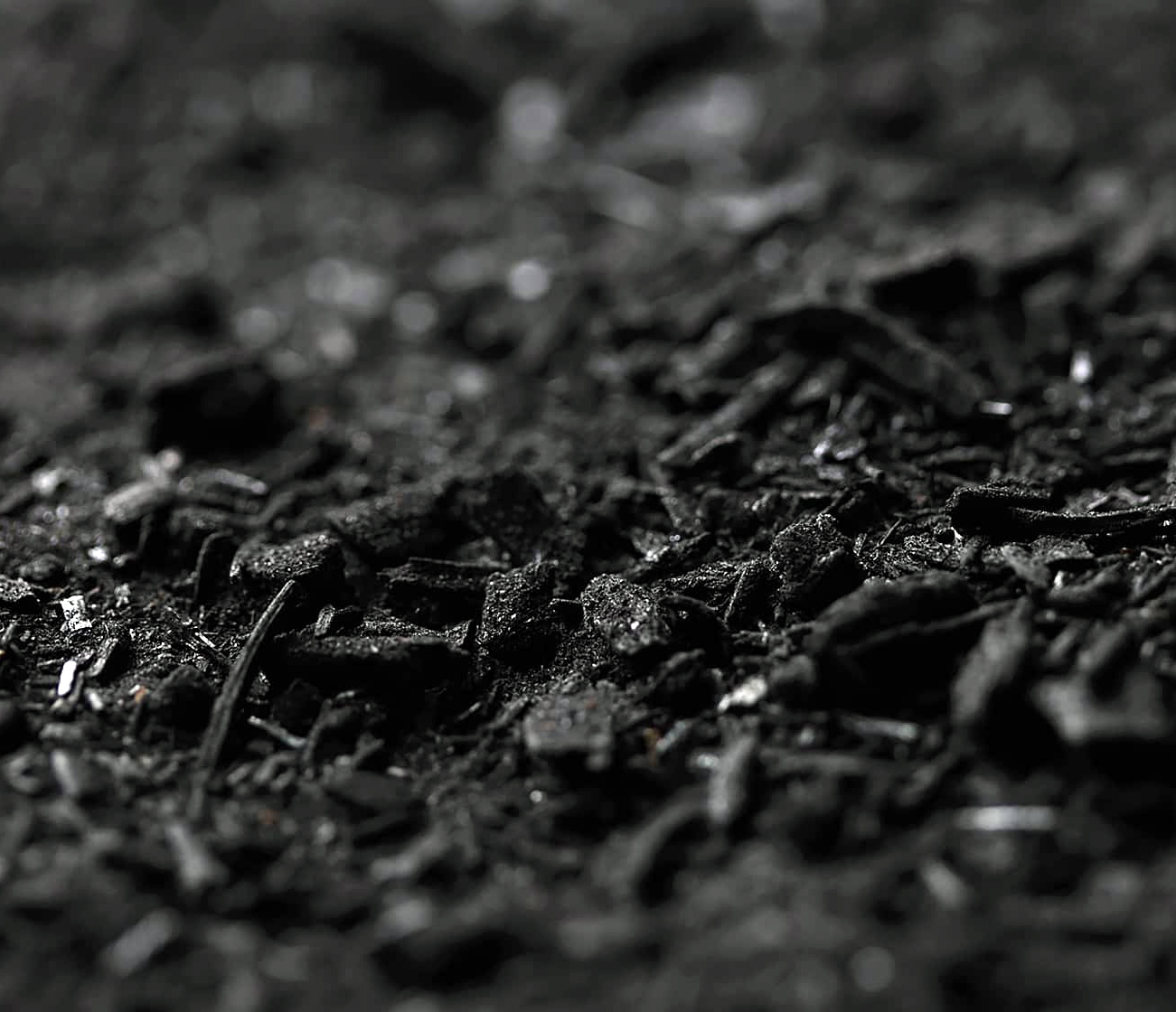
Biochar is a stable, carbon-rich, porous material produced through the pyrolysis of biomass in an oxygen-limited environment. Unlike conventional organic matter, biochar resists decomposition for centuries, making it one of the most effective long-term carbon storage tools available.
Key properties of biochar include:
- High porosity
- Exceptional adsorption capacity
- Carbon-rich
- High ion exchange capacity
- Regenerative agriculture
- Soil remediation
- Water retention improvement
- Carbon removal
- Waste recycling and circular-economy systems
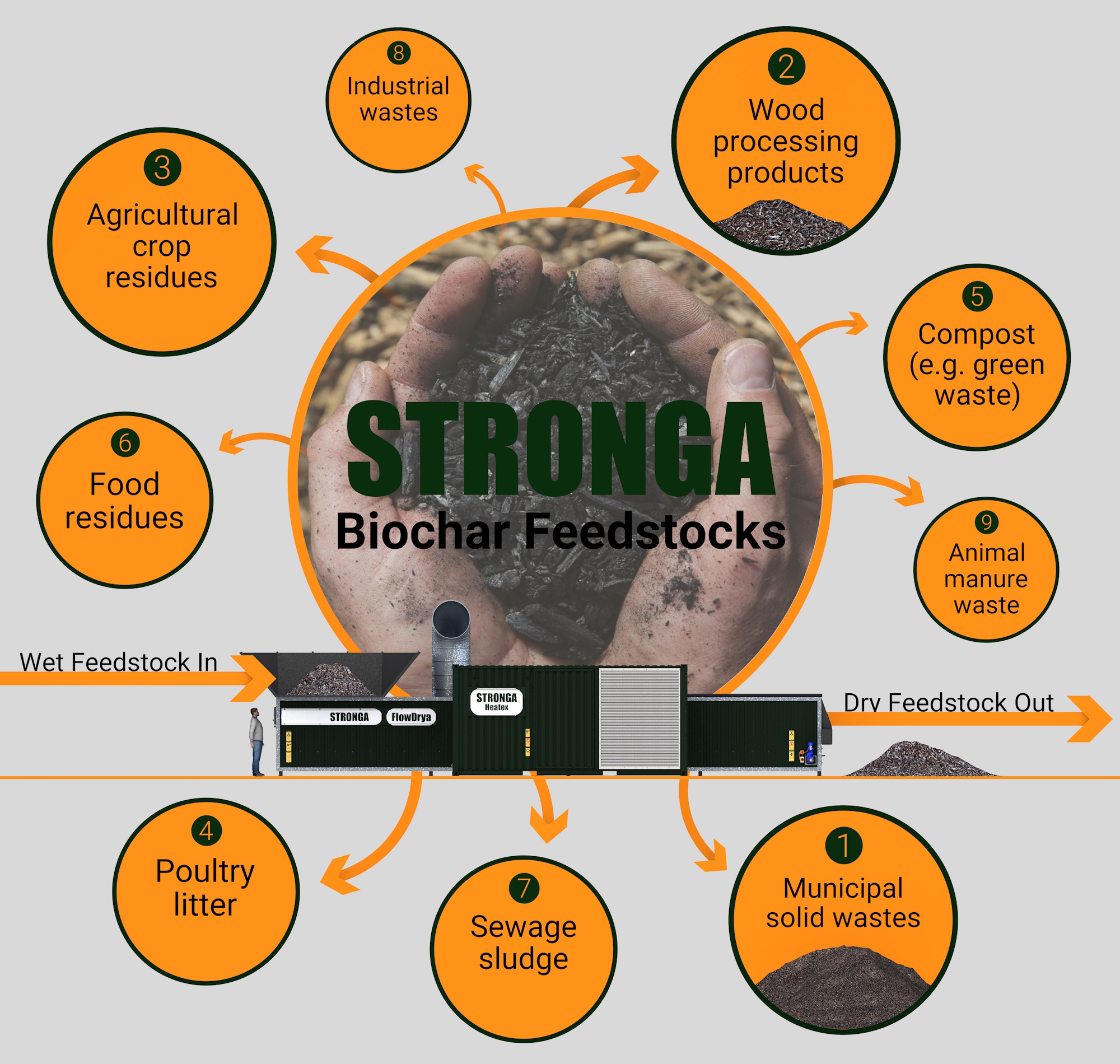
Feedstock type and moisture content significantly influence biochar’s surface area, carbon content, value and production efficacy.
Various biochar feedstocks, all of which require drying before pyrolysis
What are the Benefits of Biochar?
Biochar has become recognised on a global-scale for its transformative qualities. The benefits are extensive:
1. Improved Soil Structure & Crop Yield
Biochar increases soil organic carbon and enhances humic content, resulting in healthier soils, better yields and higher productivity.
2. Increased Water-Holding Capacity
Biochar’s porous structure absorbs and stores water, supporting crops in sandy soils or during dry periods and boosting microbial activity and soil fertility.
3. Enhanced Nutrient Retention
Biochar’s high cation exchange capacity helps retain essential nutrients and reduces fertiliser loss through leaching. Reducing the need for chemical fertilisers - promoting sustainable farming practices.
4. Long-Term Carbon Sequestration
Biochar locks away carbon for centuries, helping reduce greenhouse gas emissions while turning waste into a valuable, useful resource.
5. Better Soil Aeration & Water Infiltration
Improved aggregation leads to consistent water supply for plants, reduced evaporation, and more efficient water use.
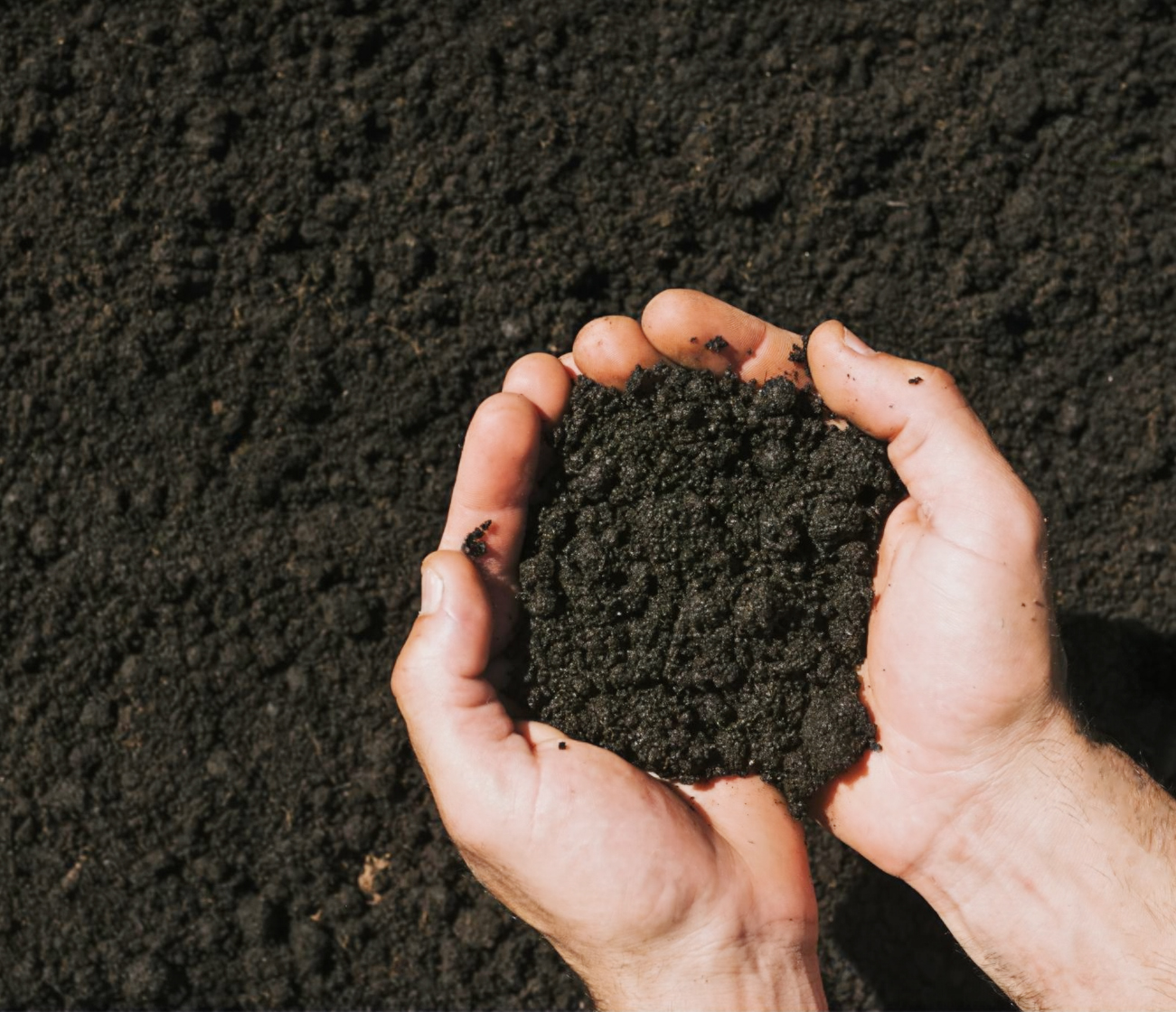
The many benefits of biochar for soil health and sustainability
Drying Improves Biochar Yield & Carbon Quality
FlowDrya Unlocks Biochar’s Immense Potential
Drying biochar feedstocks prior to pyrolysis has been proven to increase the quality of the biochar output. Excessive moisture can impede thermal-degradation pyrolysis processes, increase energy consumption, and reduce biochar yield; making drying essential to increase biochar production efficiency, consistency and product quality.
Biomass with high moisture levels:
- Consumes more energy and increases fuel costs
- Slows thermal degradation
- Reduces biochar quality
- Increases volatile organic compound (VOC) emissions
- Lowers carbon content and structural stability
Learn the implications of moisture content in biochar production
High-quality biochar produced from properly dried feedstock
What are the Benefits of Using FlowDrya to Dry Your Pyrolysis Feedstock?
Stronga’s FlowDrya system is engineered specifically for high-performance biomass drying. By reducing feedstock moisture early in the process, biochar producers gain several competitive advantages:
1. Lower Energy Consumption
FlowDrya removes moisture before pyrolysis, meaning more thermal energy is available for biomass conversion — not water evaporation. This boosts overall energy efficiency and reduces operational costs.
2. Higher Carbon Content & Better Biochar Structure
Low-moisture biomass produces biochar with: higher fixed carbon; greater porosity; improved stability; and stronger structural integrity. These properties enhance performance in soil, filtration, and environmental applications.
3. Improved Physicochemical Characteristics
Drying increases the energy density, carbon concentration, and calorific value of biomass, resulting in superior-quality biochar with enhanced water retention, better nutrient absorption and higher pollutant-binding capacity.
4. Reduced VOC Emissions
High-moisture feedstocks release more volatile organic compounds during pyrolysis. Drying with FlowDrya improves combustion quality, reduces environmental impact and thermal stresses and unburnt compounds.
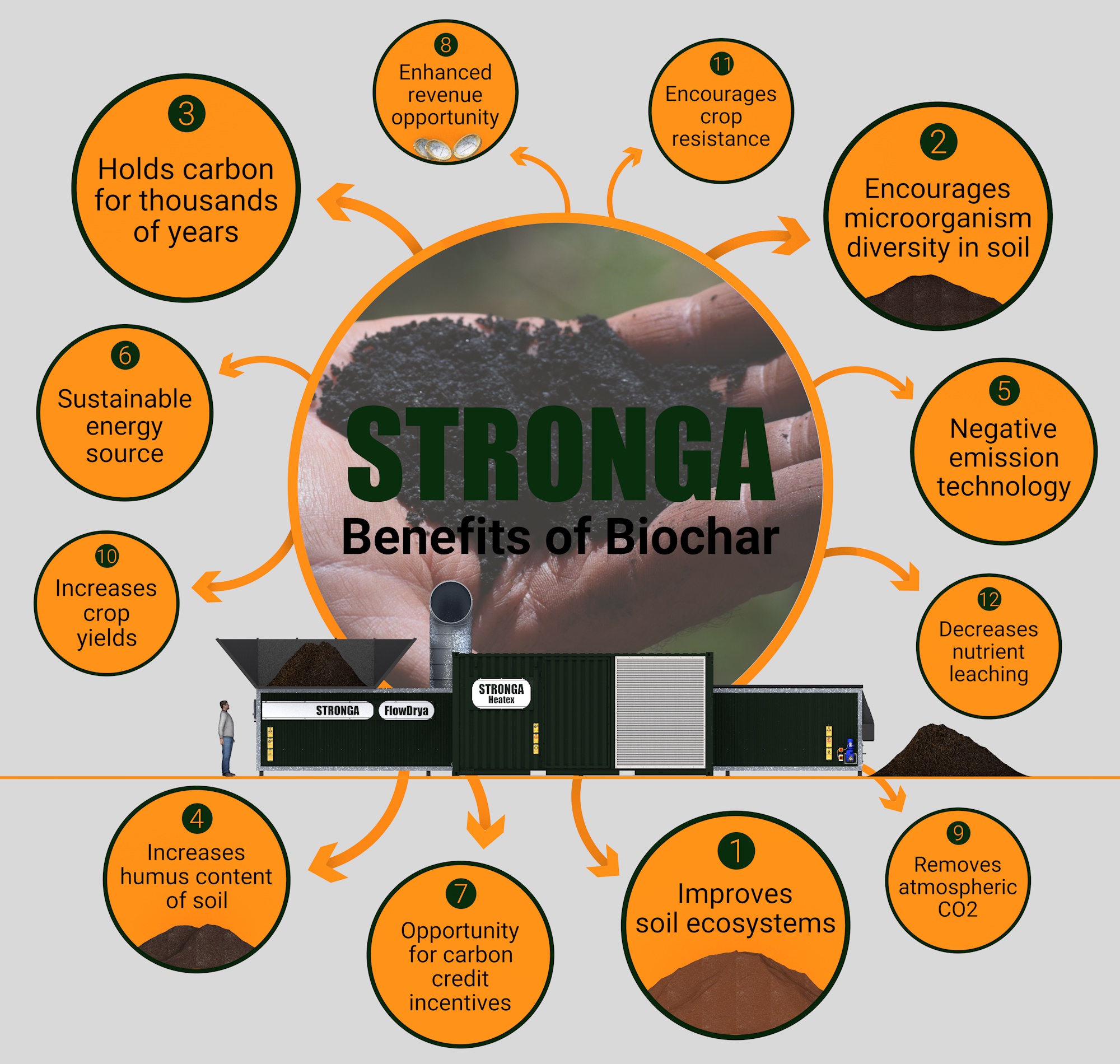
The benefits of drying biochar feedstocks with FlowDrya
As the demand for biochar grows, driven by agriculture, carbon removal markets, and circular-economy initiatives, producers must be well-equipped to manage moisture content to optimise biochar production. Investing in FlowDrya equipment enables producers to deliver premium biochar while unlocking the immense potential of the resource.
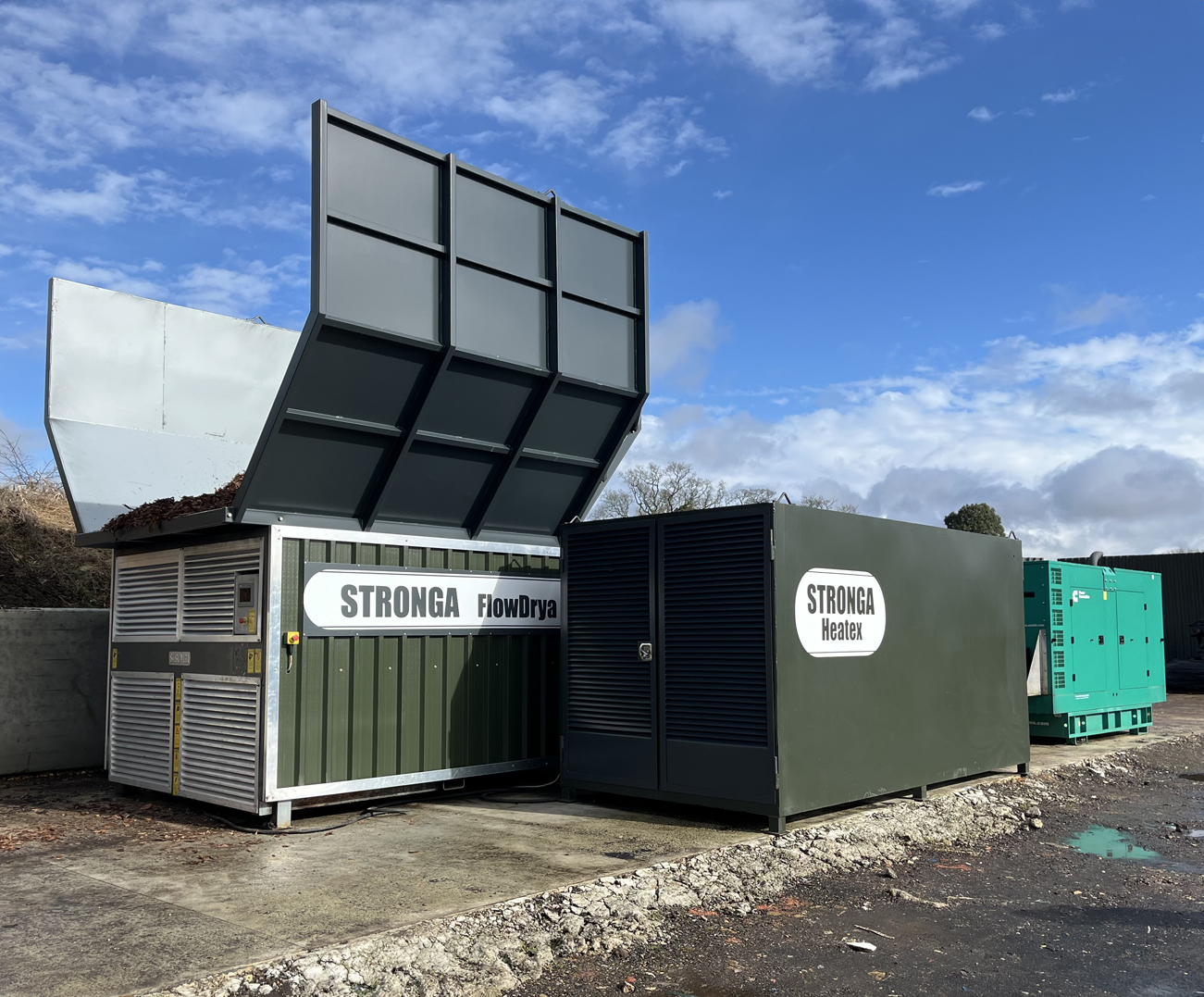
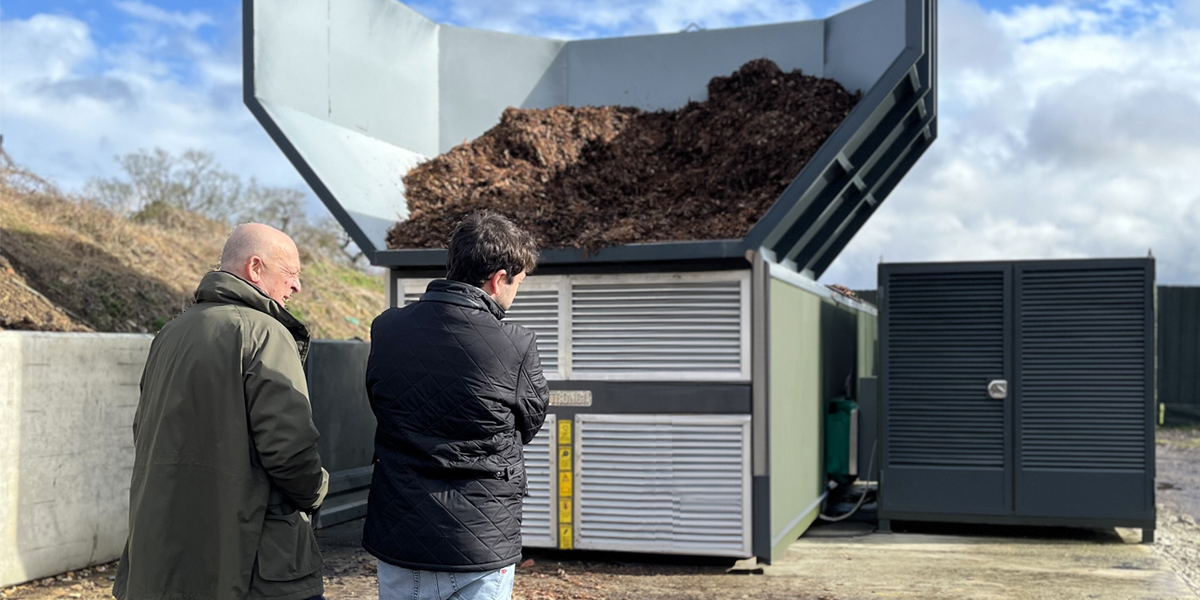
FlowDrya and Heatex equipment ready for biochar feedstock drying
Speak to our friendly team today to benefit from bespoke advice. Together, we can make a significant impact on soil health and climate change.